Quick Answer
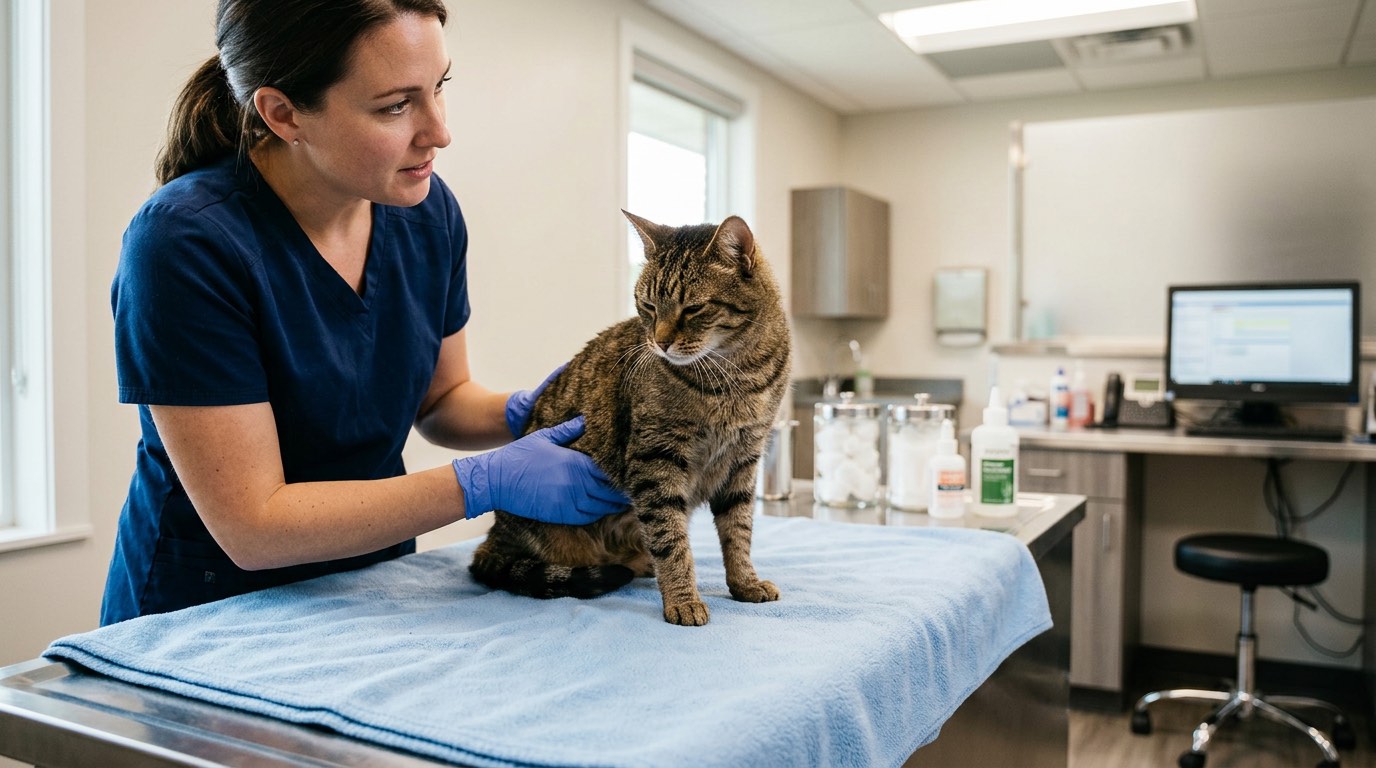
A focused guide to pancreatitis in cats — a condition that differs fundamentally from canine pancreatitis in its causes, presentation, and associated complications. Covers the feline-specific concept of triaditis (concurrent pancreatitis, cholangitis, and IBD), the challenge of diagnosing pancreatitis in cats, the use of fPLI testing, and supportive treatment including appetite stimulants and enteral feeding.
Key Takeaways
- ✓Feline pancreatitis is usually chronic and subtle — lethargy and decreased appetite are the primary signs, not dramatic vomiting and pain
- ✓Triaditis (simultaneous pancreatitis, cholangitis, and IBD) is common in cats due to shared bile/pancreatic duct anatomy — evaluate all three
- ✓fPLI (SNAP fPL or Spec fPL) is the most reliable blood test; amylase/lipase are not useful in cats
- ✓Unlike dogs, cats must not be starved during pancreatitis — anorexia leads to rapid hepatic lipidosis; use appetite stimulants and feeding tubes
- ✓Mirtazapine (ear gel) and esophageal feeding tubes are highly effective tools for maintaining nutrition during feline pancreatitis
How Feline Pancreatitis Differs from Dogs
Pancreatitis — inflammation of the pancreas — occurs in both dogs and cats, but the two species differ in important ways that affect diagnosis, presentation, and management. In dogs, pancreatitis is frequently triggered by dietary indiscretion (eating fatty food), tends to present dramatically with acute vomiting and abdominal pain, and has identifiable triggers in many cases. In cats, the triggers are rarely identified, dietary fat content is not the primary driver, and the presentation is notoriously subtle and non-specific.
Feline pancreatitis exists on a spectrum from acute to chronic. Chronic pancreatitis is far more common in cats than the acute, dramatic form — cats may have smoldering pancreatic inflammation for months to years, presenting only with gradual weight loss, decreased appetite, and intermittent lethargy. The absence of dramatic vomiting and the subtlety of signs means feline pancreatitis is frequently unrecognized and underdiagnosed.
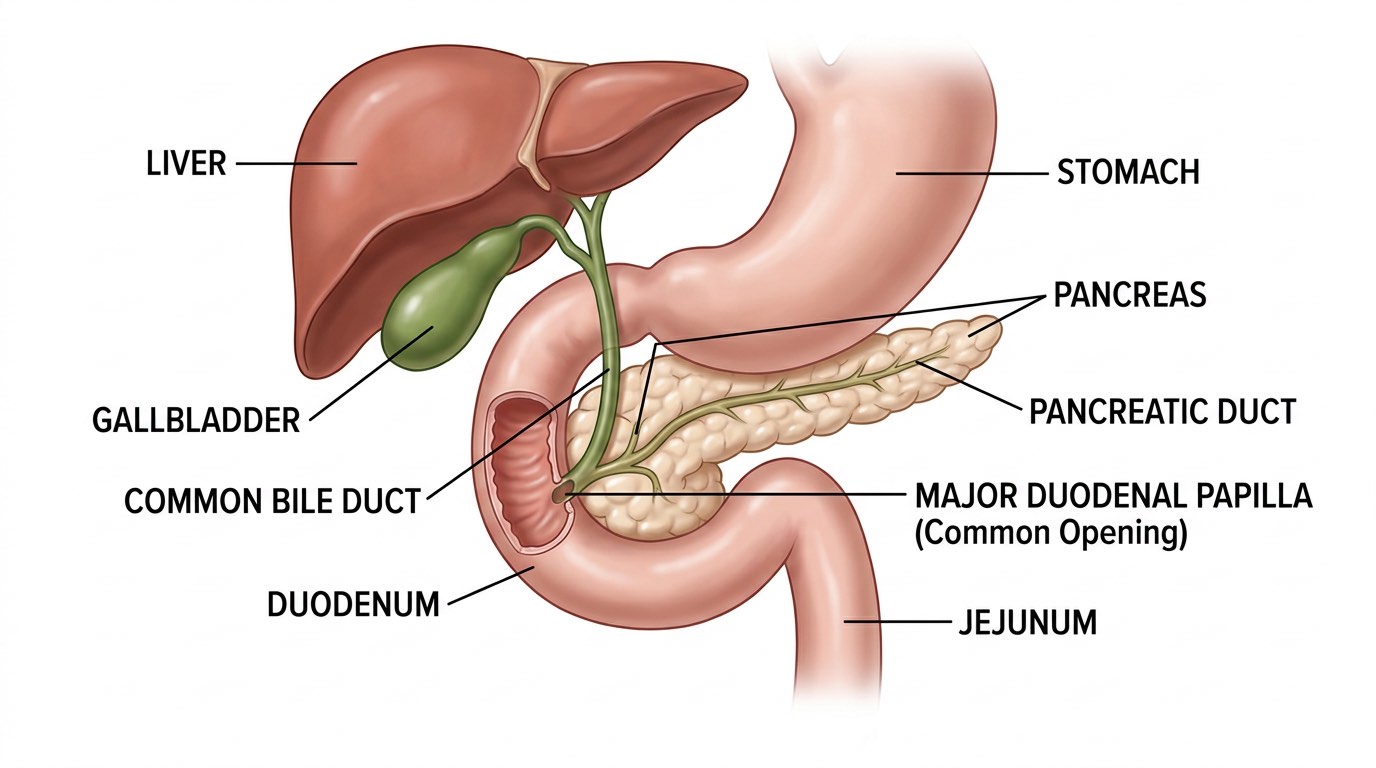
The other critical difference is the anatomical relationship between the feline pancreatic duct and the bile duct, which share a common entry point into the small intestine (the major duodenal papilla). This anatomy means pancreatic, biliary, and intestinal diseases frequently coexist and interact in cats — a phenomenon unique to the species that has major diagnostic and treatment implications.
Triaditis: When Three Diseases Occur Together
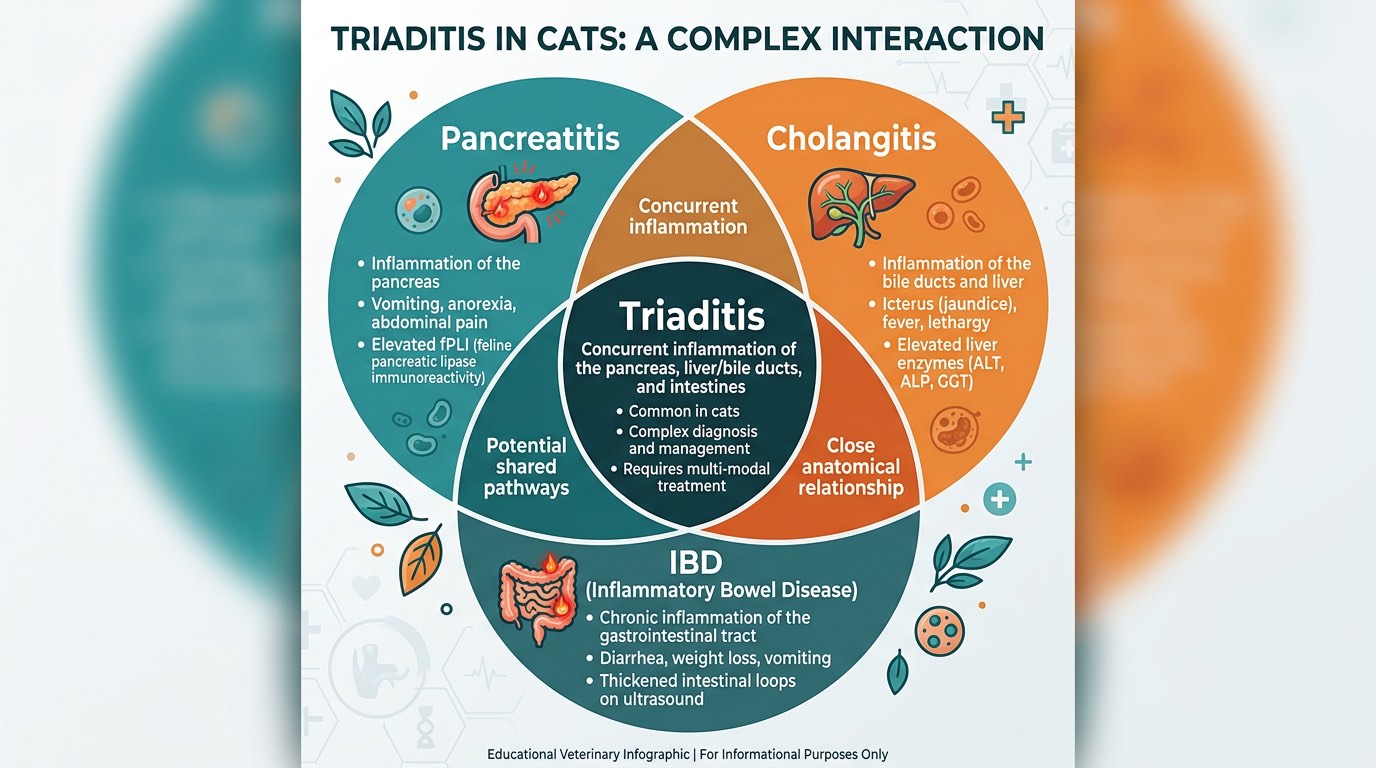
Triaditis is the simultaneous occurrence of pancreatitis, cholangitis (inflammation of the bile ducts/liver), and inflammatory bowel disease (IBD) in the same cat. Because of the shared duct anatomy, inflammation in one of these organs can spread to the adjacent organs via ascending infection or shared inflammatory mediators. Studies have found that 50–65% of cats with pancreatitis also have IBD, and up to 83% have concurrent hepatic disease — underscoring how often these three conditions travel together.
The clinical significance of triaditis is that diagnosing and treating only one condition while missing the others leads to incomplete resolution and ongoing illness. A cat with vague gastrointestinal signs, weight loss, and lethargy may have all three conditions contributing simultaneously. Each component (pancreatitis, cholangitis, IBD) requires its own targeted diagnostics and, in some cases, its own treatment approach.
Diagnosing triaditis requires a comprehensive workup: serum fPLI for pancreatitis, liver enzyme panel and bile acids for hepatic/biliary disease, and ultimately intestinal biopsy (via endoscopy or surgery) for IBD diagnosis. This complexity is why cats with chronic GI signs and weight loss often require referral to an internal medicine specialist for thorough evaluation.
Signs and Diagnosis: Why Cats Hide Pancreatitis
The clinical signs of feline pancreatitis are frustratingly non-specific: lethargy, decreased or absent appetite (anorexia), weight loss, and occasionally vomiting. Unlike dogs, cats with pancreatitis infrequently show the abdominal pain posture (hunching, prayer position) that is so characteristic in dogs. Jaundice (icterus) — yellowing of the skin, gums, and whites of the eyes — may be present if hepatic/biliary involvement is significant.
Standard bloodwork often shows only mild or non-specific abnormalities — elevated liver enzymes (ALT, ALP), hypoalbuminemia, neutrophilia, or hyperbilirubinemia may be present but are not diagnostic. Amylase and lipase elevations, which are useful markers in dogs, are unreliable in cats and should not be used for diagnosis.
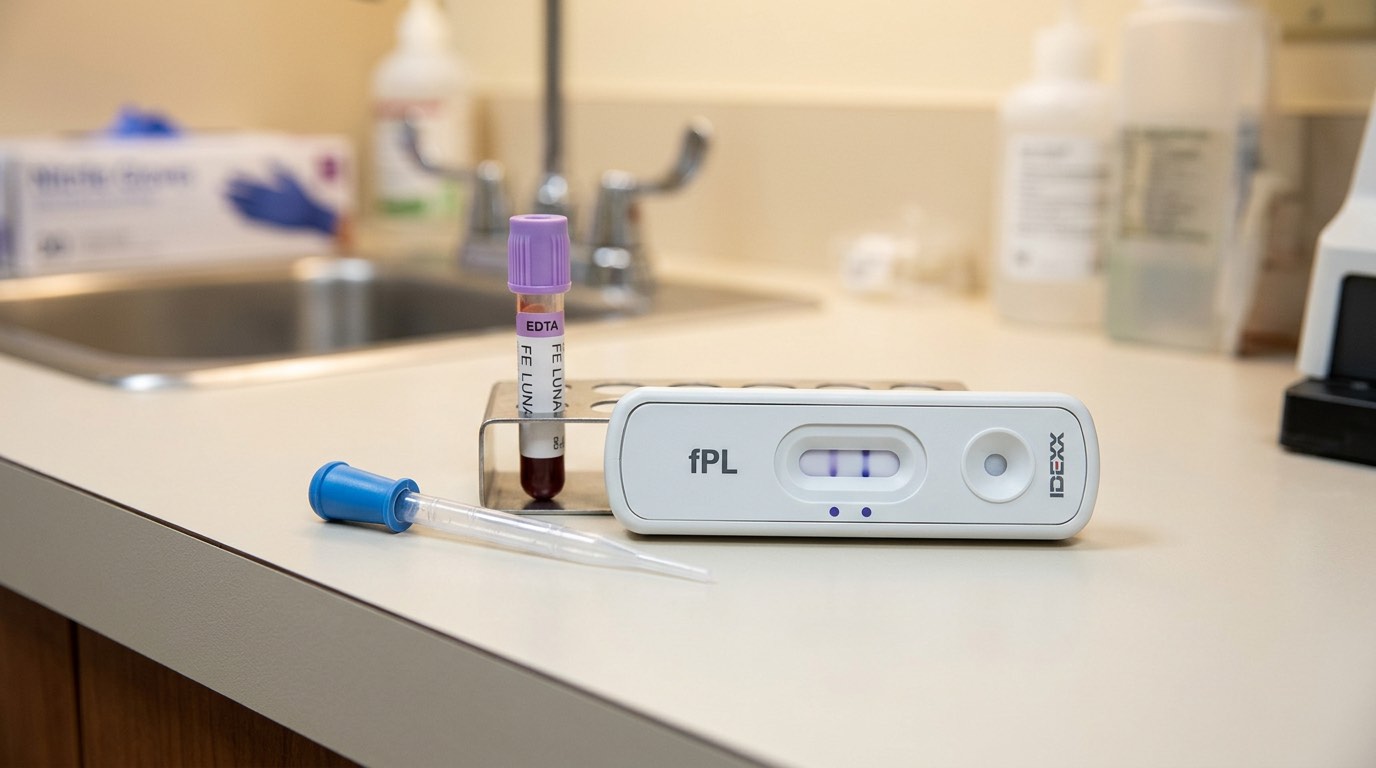
The feline pancreatic lipase immunoreactivity (fPLI) test — available as an in-clinic SNAP test (SNAP fPL) and a quantitative laboratory test (Spec fPL) — is the most sensitive and specific blood test available for feline pancreatitis. Abdominal ultrasound is a valuable complementary diagnostic, allowing visualization of pancreatic enlargement, echogenicity changes, and surrounding mesenteric fat inflammation — though ultrasound is less sensitive for pancreatitis in cats than in dogs and requires an experienced ultrasonographer. Definitive diagnosis requires pancreatic biopsy, which is rarely necessary in clinical practice.
Treatment: Supportive Care and Getting Cats to Eat
Treatment of feline pancreatitis is primarily supportive — addressing the metabolic consequences of the disease while the pancreas heals. IV fluid therapy corrects dehydration and electrolyte imbalances. Pain management is important and often underutilized in cats — buprenorphine is commonly used. Anti-nausea medications (maropitant/Cerenia, ondansetron) reduce vomiting and improve the likelihood that the cat will eat.
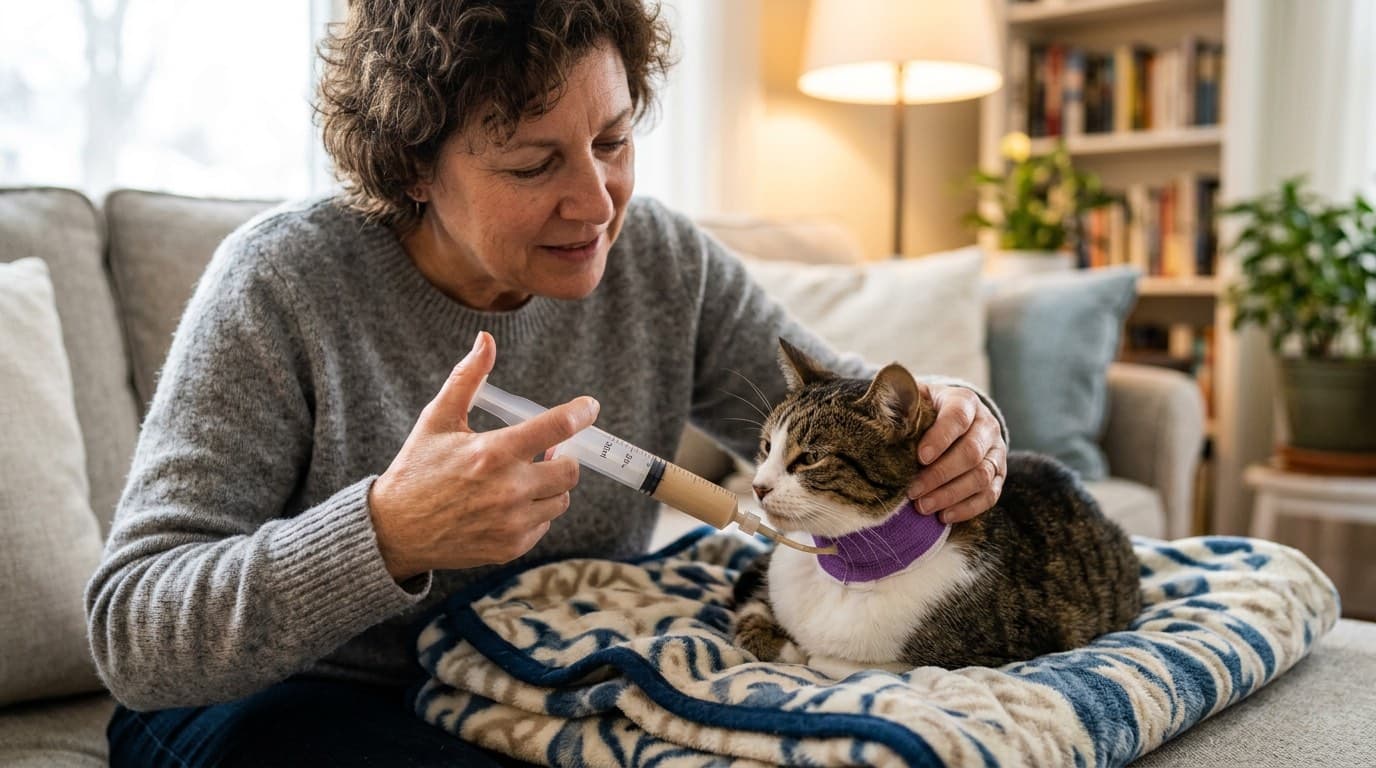
Nutritional support is critically important and fundamentally different from the canine approach. Cats must not be starved during pancreatitis — anorexic cats rapidly develop hepatic lipidosis (fatty liver disease), a serious complication of prolonged anorexia. Unlike dogs (for whom NPO was historically recommended during pancreatitis), cats with pancreatitis should be encouraged to eat as soon as possible. Appetite stimulants such as mirtazapine (available as an ear gel formulation for easy administration) and capromorelin (Elura) are valuable tools.
If a cat will not eat voluntarily for more than 2–3 days, placement of an esophageal feeding tube (E-tube) allows critical nutritional support to be delivered at home by the owner — a remarkably effective and well-tolerated intervention that can prevent hepatic lipidosis and support recovery. Cobalamin (vitamin B12) supplementation is frequently needed in cats with concurrent GI disease. Specific treatment for cholangitis (typically antibiotics and/or ursodeoxycholic acid) and IBD (immunosuppressive therapy) is added when triaditis is present.
Frequently Asked Questions
What are the signs of pancreatitis in cats?
The most common signs of feline pancreatitis are lethargy, decreased or absent appetite, and weight loss. Vomiting occurs in some cats but is less prominent than in dogs. Jaundice (yellow tinge to gums or skin) may occur if the liver is also affected. Because the signs are so non-specific, pancreatitis in cats is often diagnosed only after bloodwork and imaging.
How is pancreatitis diagnosed in cats?
The most useful blood test is the feline pancreatic lipase immunoreactivity (fPLI) — available as a clinic-side SNAP fPL test or a quantitative Spec fPL from an external lab. Abdominal ultrasound can support the diagnosis by showing pancreatic changes. Standard bloodwork (amylase, lipase) is not reliable for feline pancreatitis. Complete diagnosis often requires evaluating for concurrent cholangitis and IBD as well.
Can cats eat during pancreatitis?
Yes — and they should. Cats should be encouraged to eat as soon as possible during pancreatitis, unlike the historical approach in dogs. Prolonged anorexia in cats rapidly causes hepatic lipidosis (fatty liver disease), which complicates recovery. Appetite stimulants, warming food, offering favorite foods, and esophageal feeding tubes are all used to maintain nutrition in cats that won't eat voluntarily.
What is triaditis in cats?
Triaditis is the simultaneous occurrence of pancreatitis, cholangitis (liver/bile duct inflammation), and inflammatory bowel disease (IBD) in a cat. Due to feline anatomy where the pancreatic and bile ducts share a common intestinal opening, these three conditions frequently coexist. Diagnosing and treating all three components is necessary for full recovery — treating only pancreatitis while missing cholangitis or IBD leads to ongoing illness.
How long does it take for cats to recover from pancreatitis?
Recovery from an acute episode with appropriate supportive care typically takes 1–2 weeks. However, many cats have underlying chronic pancreatitis that does not fully resolve — they may have intermittent episodes throughout their lives. Cats with concurrent triaditis tend to have more prolonged, complex recoveries. Nutritional support and management of all concurrent conditions significantly improves outcomes.
References
- Forman MA, et al. Evaluation of serum feline pancreatic lipase immunoreactivity and helical computed tomography versus conventional testing for the diagnosis of feline pancreatitis. J Vet Intern Med. 2004.
- Xenoulis PG. Diagnosis and management of pancreatitis in dogs and cats. Vet J. 2015.
- Weiss DJ, et al. Relationship between inflammatory hepatic disease and inflammatory bowel disease, pancreatitis, and nephritis in cats. JAVMA. 1996.
- Simpson KW. Pancreatitis and triaditis in cats. J Small Anim Pract. 2015.