Quick Answer
A comprehensive veterinary guide to pancreatitis in dogs, including acute and chronic forms, clinical signs, diagnostic approaches, treatment protocols, and dietary management.
Key Takeaways
- ✓Pancreatitis is inflammation of the pancreas caused by premature enzyme activation
- ✓High-fat diets are the most recognized trigger; avoid table scraps and fatty foods
- ✓Clinical signs include vomiting, abdominal pain, lethargy, and loss of appetite
- ✓Spec cPL blood test is the gold standard for diagnosis; ultrasound helps confirm
- ✓Treatment includes IV fluids, pain management, anti-nausea medication, and early nutrition
- ✓Prognosis varies from excellent in mild cases to guarded in severe cases
- ✓Prevention focuses on low-fat diet, weight management, and avoiding dietary indiscretion
What is Pancreatitis?
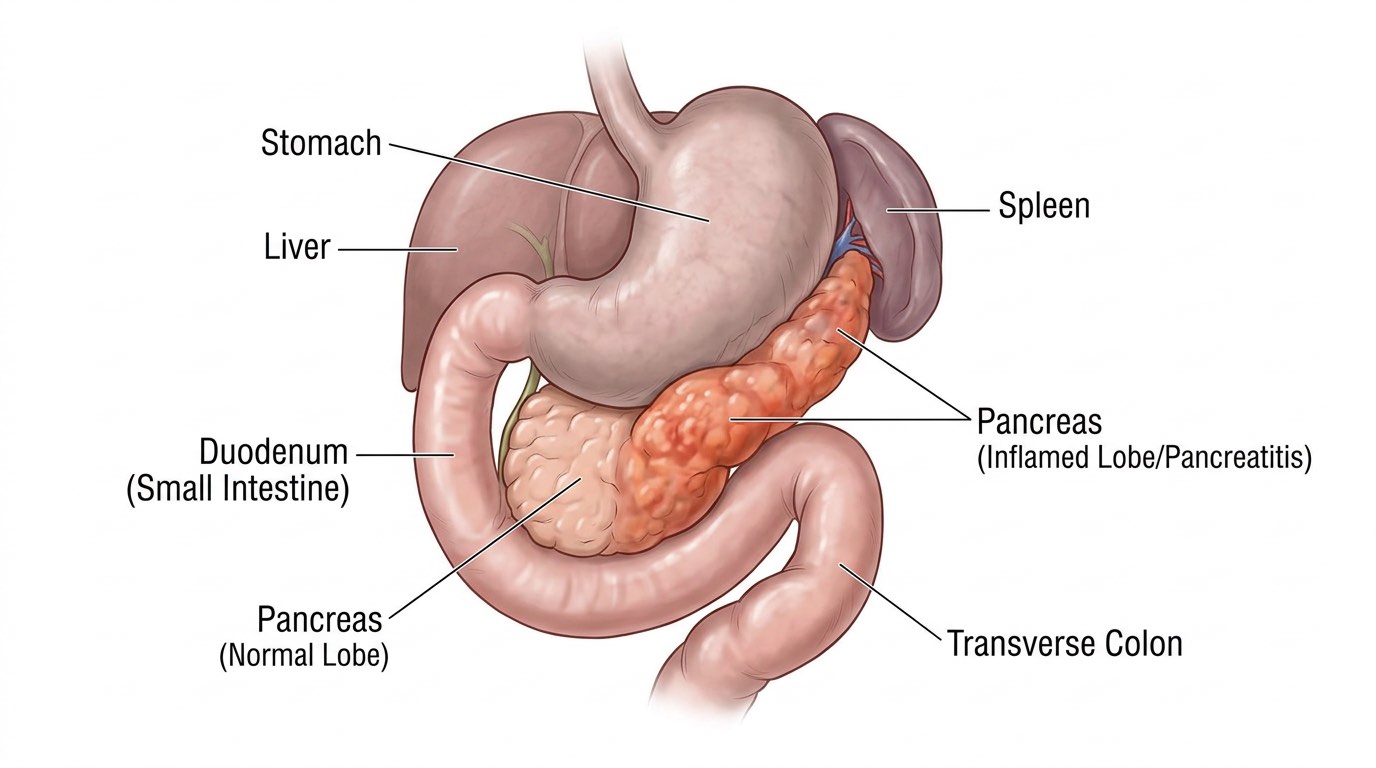
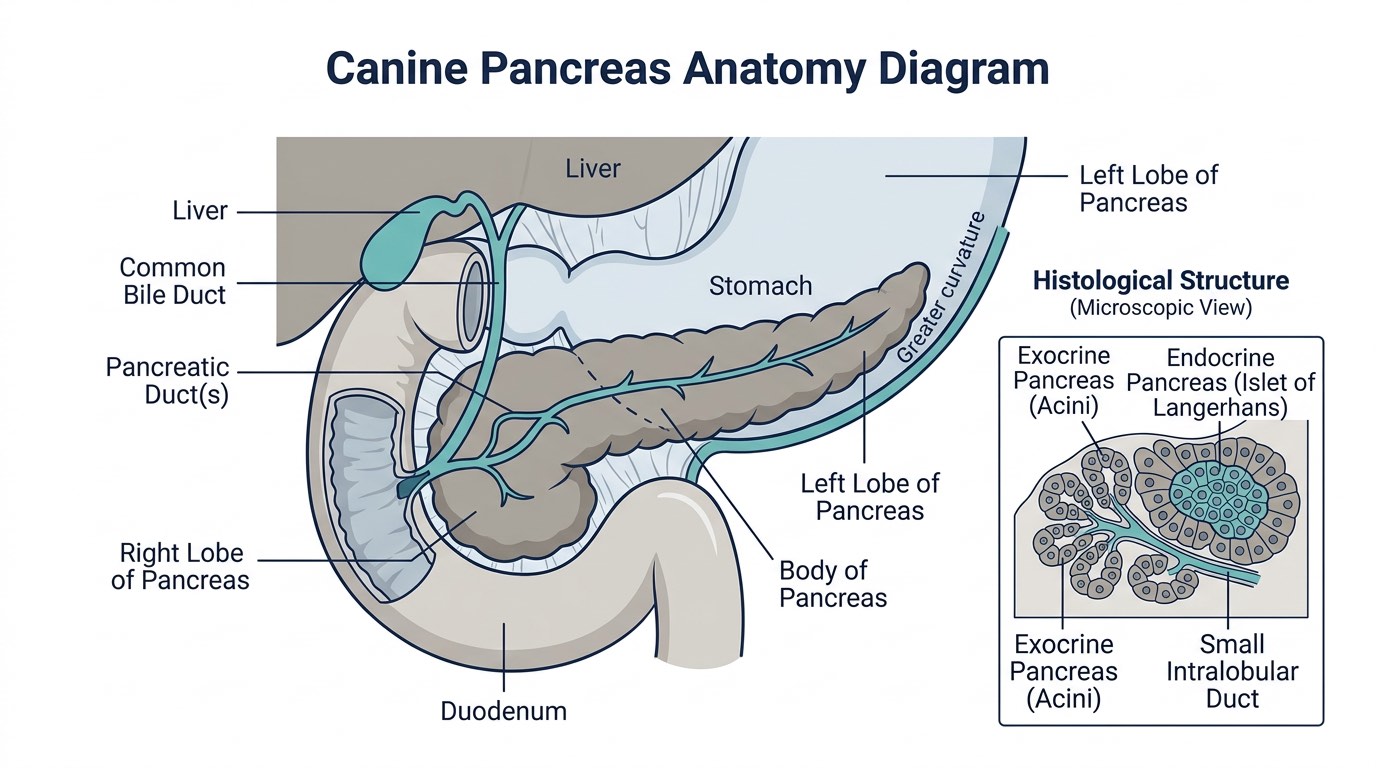
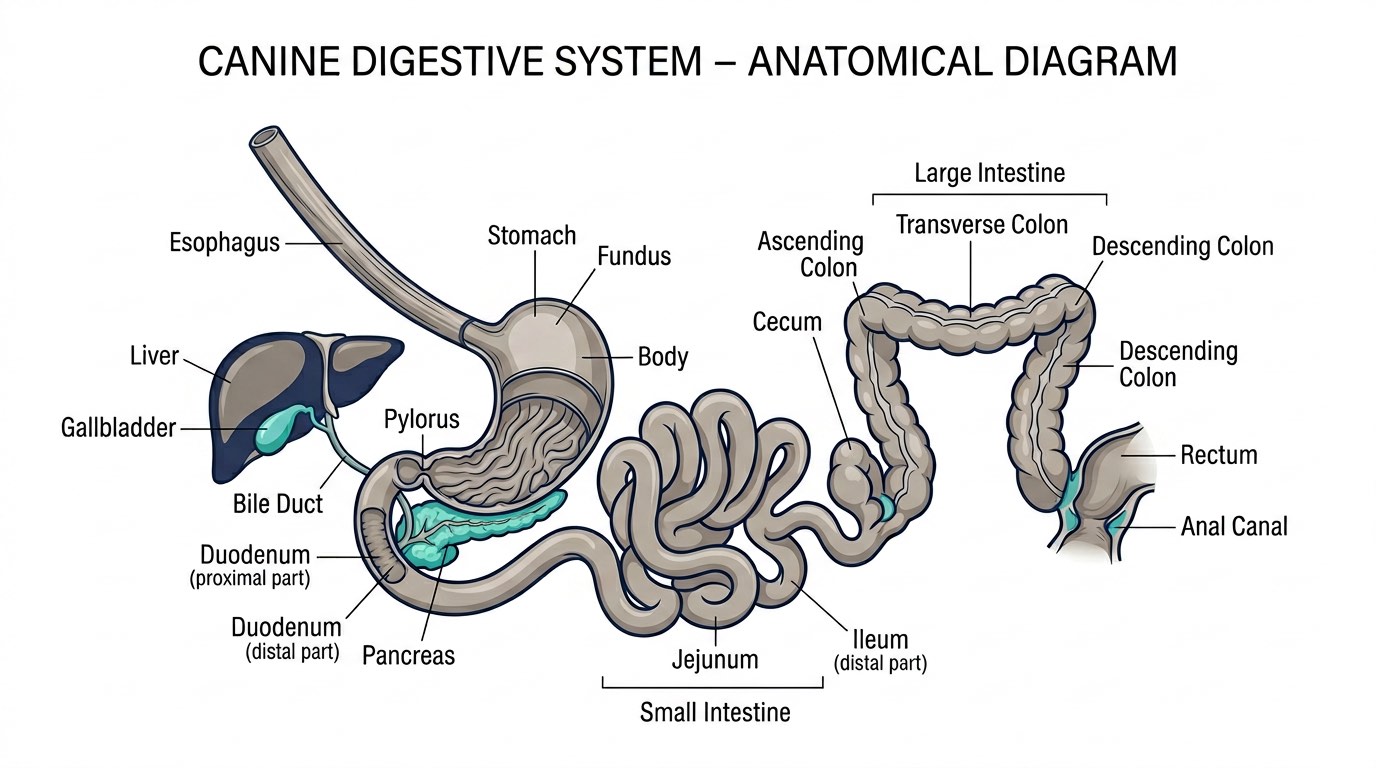
Pancreatitis is inflammation of the pancreas, a vital organ located near the stomach and small intestine. The pancreas has two critical functions:
Exocrine Function
- Produces digestive enzymes (lipase, amylase, proteases)
- Secretes these enzymes into the small intestine to break down food
Endocrine Function
- Produces insulin and glucagon
- Regulates blood glucose levels
In pancreatitis, the digestive enzymes activate prematurely within the pancreas itself, leading to autodigestion of pancreatic tissue. This triggers inflammation and can cause damage to surrounding organs.
Types of Pancreatitis
- Acute Pancreatitis: Sudden onset, can range from mild to severe and life-threatening
- Chronic Pancreatitis: Long-term, ongoing inflammation that can lead to permanent damage
- Acute-on-Chronic: Acute flare-ups in dogs with underlying chronic pancreatitis
Pancreatitis is one of the most common gastrointestinal emergencies in dogs and can occur in any breed, age, or sex.
Causes and Risk Factors
Dietary Factors
- High-fat meals: The most recognized trigger; includes table scraps, fatty treats, or garbage ingestion
- Sudden diet changes: Abrupt transitions to rich or unfamiliar foods
- Dietary indiscretion: Eating garbage, compost, or inappropriate items
Medical Conditions
- Hyperlipidemia: Elevated blood triglycerides and cholesterol
- Diabetes mellitus: Increased risk, especially if poorly controlled
- Hypothyroidism: Associated with lipid metabolism abnormalities
- Cushing's disease (hyperadrenocorticism): Altered fat metabolism
- Obesity: Significant risk factor for pancreatitis
Medications and Toxins
- Certain antibiotics (sulfonamides, tetracyclines)
- Azathioprine and other immunosuppressants
- Potassium bromide (seizure medication)
- Organophosphate insecticides
- L-asparaginase (chemotherapy drug)
Breed Predispositions
Some breeds have higher incidence:
- Miniature Schnauzers (often have familial hypertriglyceridemia)
- Yorkshire Terriers
- Cocker Spaniels
- Dachshunds
- Poodles
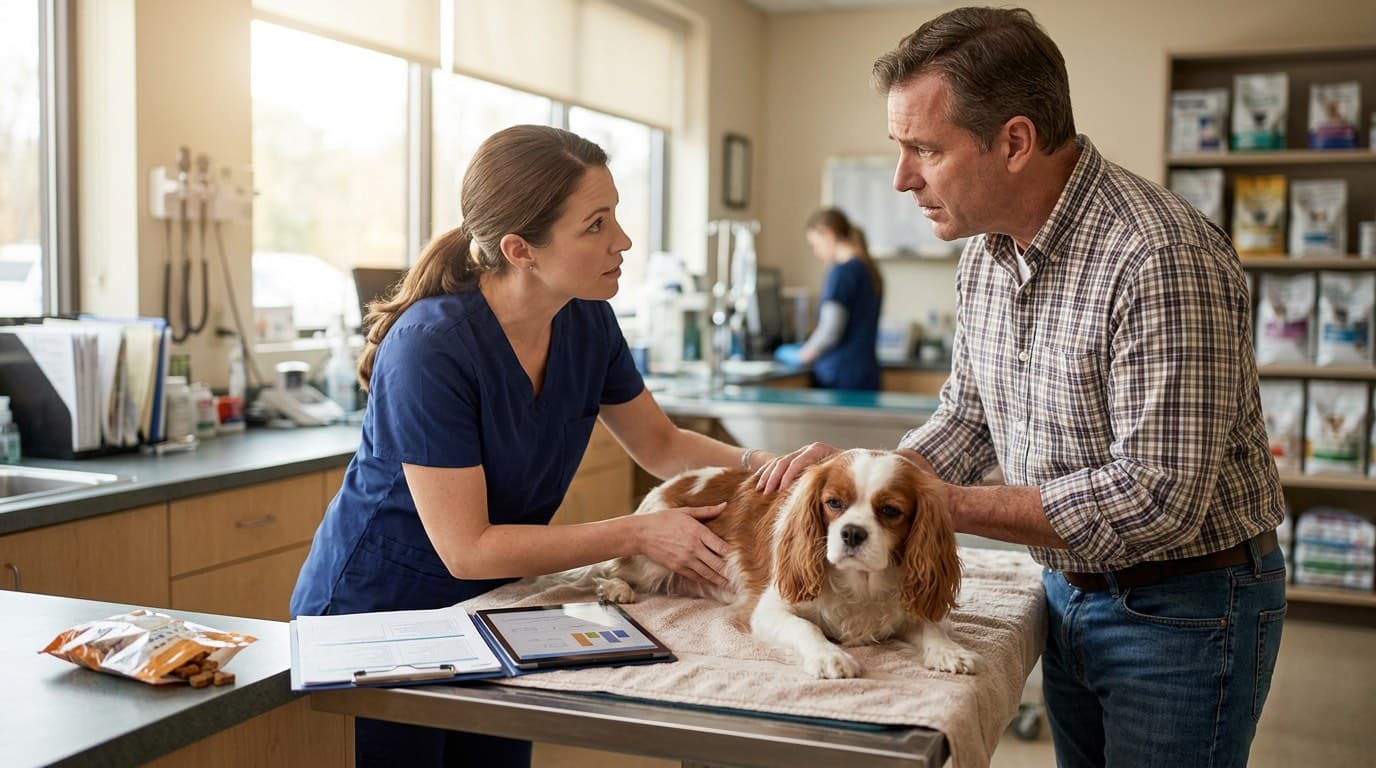
- Cavalier King Charles Spaniels
Other Risk Factors
- Previous episode of pancreatitis
- Trauma to the abdomen
- Concurrent biliary disease
- Middle-aged to older dogs (though can occur at any age)
- Post-surgical complications
Idiopathic Cases
In many cases, no specific cause is identified despite thorough investigation.
Clinical Signs
Common Signs (Acute Pancreatitis)
- Vomiting: Often severe and persistent
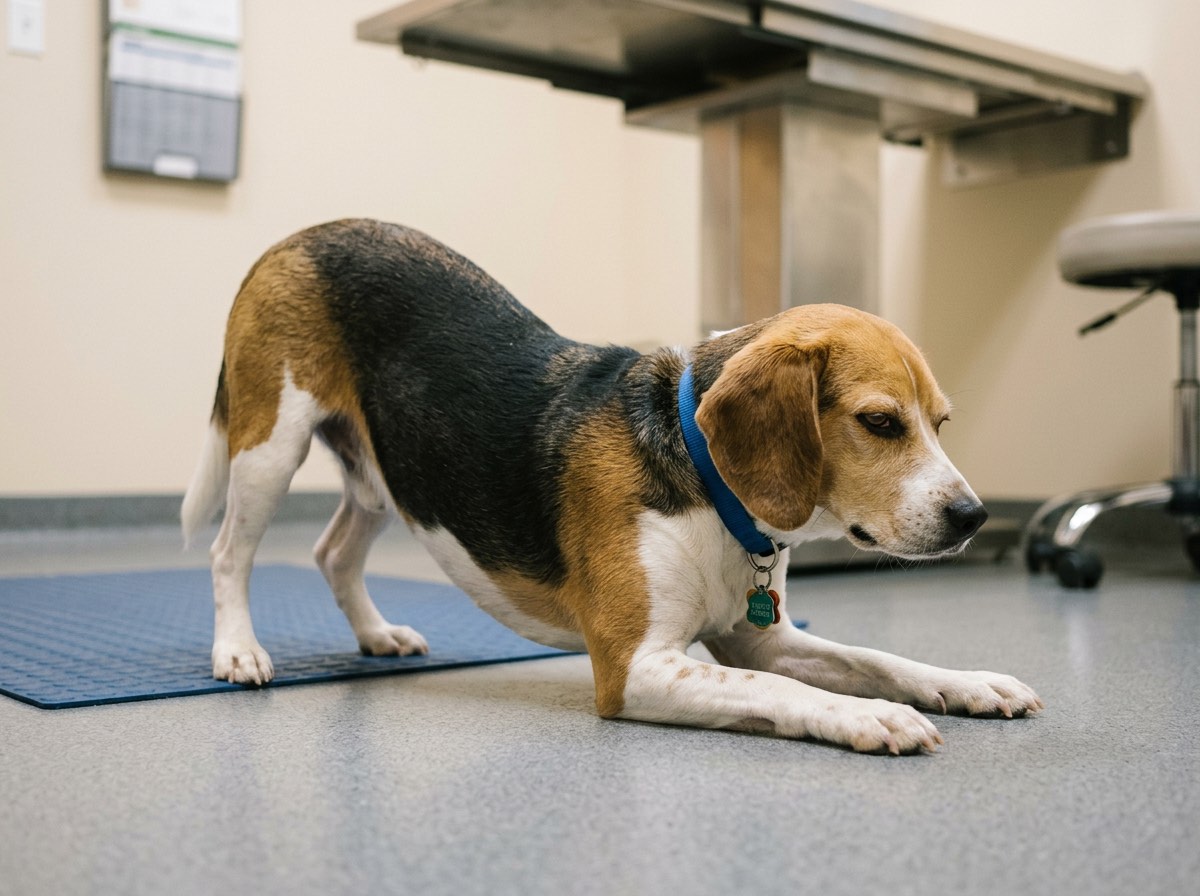
- Abdominal pain: Dogs may show a "praying position" (front legs down, rear elevated)
- Anorexia: Complete refusal to eat
- Lethargy: Marked decrease in activity
- Dehydration: Due to vomiting and reduced water intake
- Diarrhea: May or may not be present; can be bloody
- Fever: Often present in acute cases
Pain Indicators
Dogs may show abdominal pain through:
- Restlessness and inability to get comfortable
- Whimpering or reluctance to be touched
- Guarding the abdomen
- Hunched posture
- Reluctance to walk or move
Severe Cases
In severe pancreatitis, complications may include:
- Shock
- Disseminated intravascular coagulation (DIC)
- Acute respiratory distress syndrome (ARDS)
- Cardiac arrhythmias
- Acute kidney injury
- Multi-organ failure
Chronic Pancreatitis Signs
Chronic cases may present more subtly:
- Intermittent vomiting
- Chronic weight loss
- Poor appetite
- Intermittent abdominal discomfort
- Greasy, pale stools (if exocrine pancreatic insufficiency develops)
- Diabetes mellitus (if endocrine function is compromised)
Diagnosis
Clinical Assessment
Diagnosis begins with:
- Complete history, including recent diet and exposure to fatty foods
- Physical examination
- Assessment of pain response
- Evaluation of hydration status
Laboratory Tests
Pancreatic Lipase Immunoreactivity (cPLI/Spec cPL)
- Gold standard blood test for pancreatitis
- Highly sensitive and specific for pancreatic inflammation
- SNAP cPL provides rapid in-house results
- Spec cPL provides quantitative measurement
Amylase and Lipase
- Traditional tests, but less specific than cPLI
- Can be elevated in kidney disease and other conditions
- Not recommended as sole diagnostic tests
Complete Blood Count (CBC)
- May show increased white blood cells (leukocytosis)
- Hemoconcentration from dehydration
- Anemia in severe cases
Serum Chemistry
- Liver enzyme elevations (ALT, ALP)
- Increased bilirubin
- Electrolyte imbalances
- Azotemia (elevated BUN/creatinine)
- Hypoglycemia or hyperglycemia
Imaging
Abdominal Ultrasound
- Most useful imaging modality
- May show pancreatic enlargement, decreased echogenicity
- Peripancreatic fat inflammation ("hyperechoic mesentery")
- Fluid accumulation around pancreas
- Can help rule out other conditions
Radiographs
- Less specific than ultrasound
- May show loss of abdominal detail
- Displacement of stomach or duodenum
- Rule out foreign bodies or other causes
Additional Tests
- Coagulation panel if DIC suspected
- Blood gas analysis for acid-base status
- C-reactive protein (inflammatory marker)
Treatment
Hospitalization
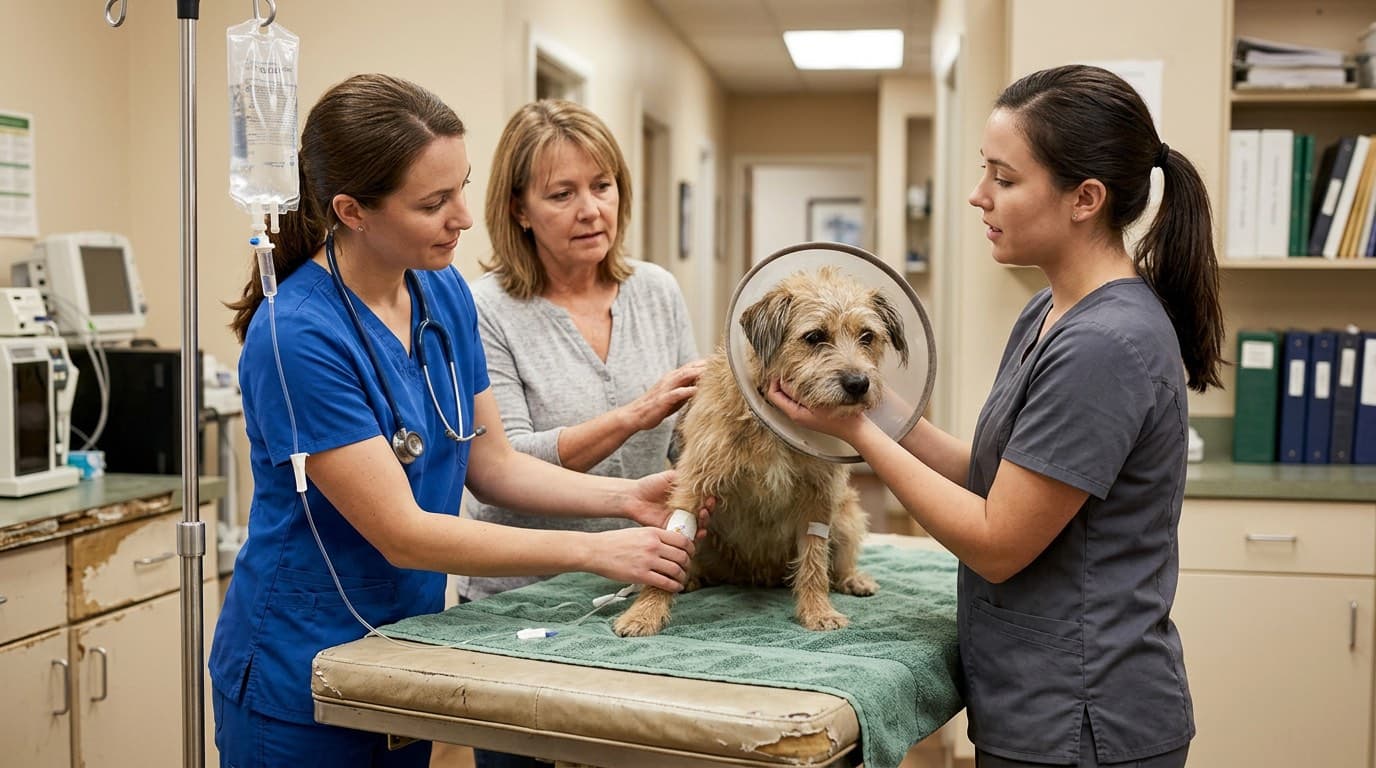
Most dogs with moderate to severe pancreatitis require hospitalization for:
- Intravenous fluid therapy
- Pain management
- Anti-nausea medications
- Nutritional support
- Monitoring
Fluid Therapy
- Aggressive IV fluid therapy is critical
- Corrects dehydration and supports organ perfusion
- Crystalloid solutions (lactated Ringer's, 0.9% saline)
- Colloids may be needed in severe cases
- Electrolyte supplementation as needed
Pain Management
Pain control is essential:
- Opioids (buprenorphine, hydromorphone, fentanyl)
- Local anesthetic techniques (epidural, splanchnic nerve blocks)
- Lidocaine CRI in severe cases
- Multimodal approach often needed
Anti-Emetics
Control vomiting and nausea with:
- Maropitant (Cerenia) - first-line choice
- Ondansetron
- Metoclopramide (also promotes gastric motility)
Nutritional Management
Early Enteral Nutrition
- Current recommendations favor early feeding (within 24-48 hours)
- Withholding food is no longer standard practice
- Small, frequent meals of low-fat, easily digestible food
- Appetite stimulants if needed (mirtazapine, capromorelin)
Feeding Options
- Ultra-low fat prescription diets
- Home-cooked bland diet (boiled chicken breast, white rice)
- Nasoesophageal or nasogastric tube if not eating voluntarily
- Parenteral nutrition in severe cases where enteral feeding isn't possible
Antibiotics
- Not routinely recommended (pancreatitis is typically sterile)
- Used if secondary bacterial infection suspected
- Broad-spectrum coverage if sepsis is a concern
Additional Therapies
- Gastroprotectants (famotidine, omeprazole) if gastric ulceration present
- Plasma transfusion in severe cases
- Treatment of concurrent conditions (diabetes, hypothyroidism)
- Enzyme supplementation if exocrine insufficiency develops
Prognosis and Recovery
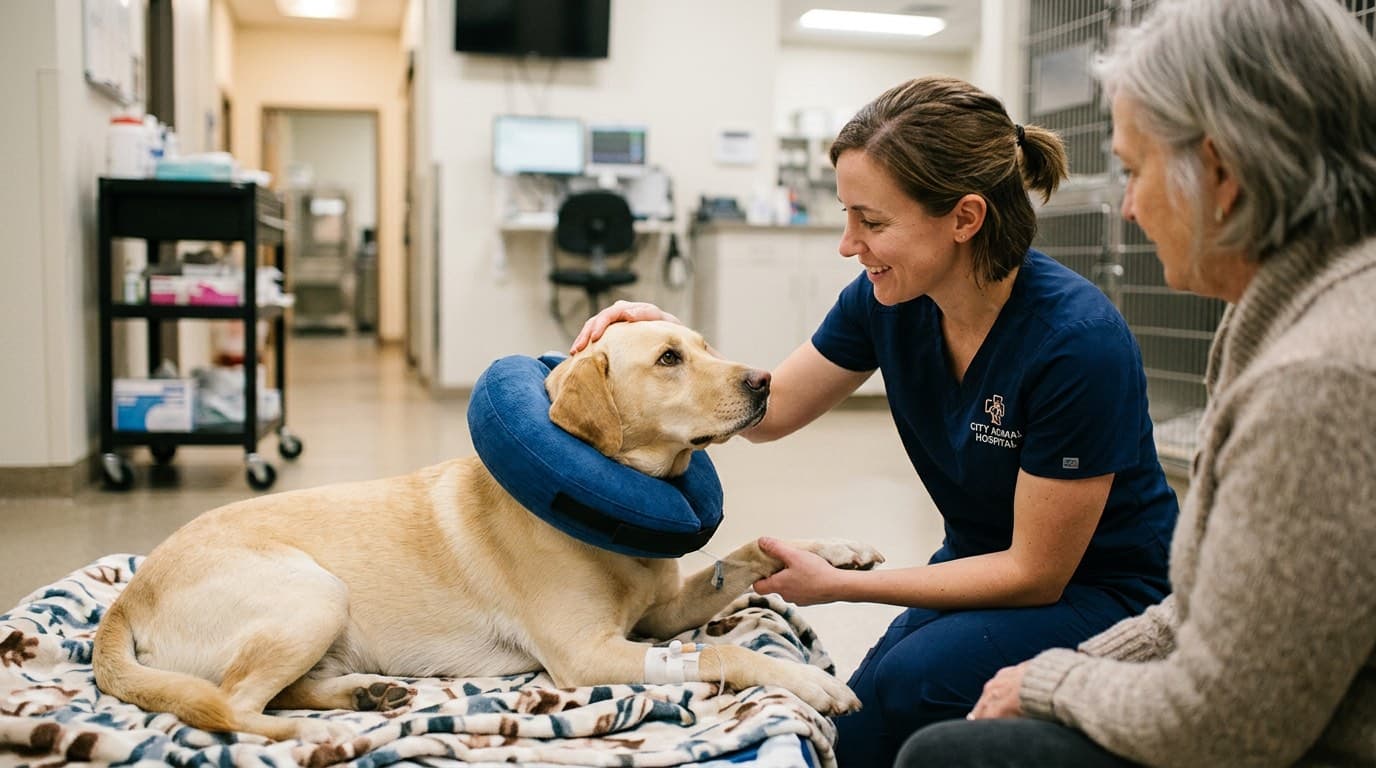
Mild Cases
- Generally good prognosis
- Most dogs recover within 3-5 days with appropriate treatment
- May require ongoing dietary management
Moderate Cases
- Prognosis is fair to good
- Recovery may take 1-2 weeks
- Higher risk of recurrence
- May develop chronic pancreatitis
Severe Cases
- Guarded to poor prognosis
- Mortality rate can be 30-50% or higher
- Risk of complications (organ failure, DIC)
- Survivors may have long-term pancreatic damage
Complications
- Pancreatic abscess or pseudocyst
- Exocrine pancreatic insufficiency (EPI)
- Diabetes mellitus
- Chronic pain
- Recurrent episodes
Follow-Up Care
- Recheck examinations as recommended
- Repeat bloodwork to monitor enzyme levels
- Dietary compliance is essential
- Watch for signs of recurrence
Prevention and Long-Term Management
Dietary Prevention
- Feed a consistent, moderate-to-low fat diet
- Avoid table scraps and fatty treats
- Prevent access to garbage and inappropriate foods
- Gradual diet transitions when changing foods
- Weight management in overweight dogs
Fat Guidelines
- For at-risk dogs: less than 10% fat on a dry matter basis
- For dogs with history of pancreatitis: often less than 8% fat
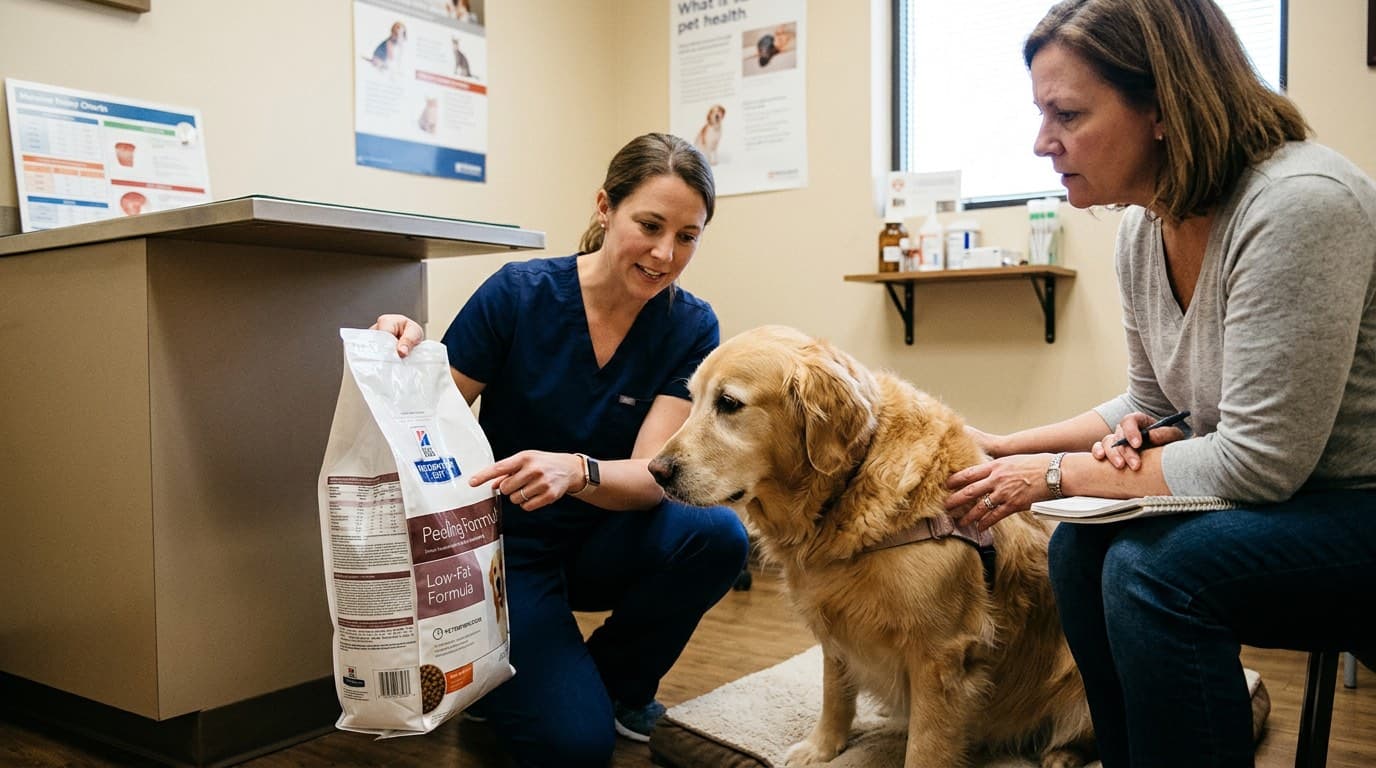
- Prescription low-fat diets are available from major pet food companies
Lifestyle Management
- Maintain healthy body weight
- Regular exercise appropriate for the dog's condition
- Stress reduction
- Prevent dietary indiscretion with secure garbage, fencing
Monitoring
For dogs with chronic pancreatitis:
- Regular veterinary check-ups
- Periodic blood work monitoring
- Watch for signs of diabetes or EPI
- Early intervention if symptoms recur
Medications
Dogs on long-term medications that increase risk:
- Discuss alternatives with your veterinarian
- More frequent monitoring may be needed
- Regular pancreatic enzyme level checks
Emergency Preparedness
- Know the signs of pancreatitis
- Seek veterinary care immediately if symptoms occur
- Don't wait to see if symptoms resolve on their own
- Keep emergency veterinary contact information accessible
Frequently Asked Questions
What causes pancreatitis in dogs?
The most common cause is high-fat meals, including table scraps and fatty treats. Other causes include obesity, certain medications, metabolic conditions like diabetes and hypothyroidism, and genetic predisposition in breeds like Miniature Schnauzers.
Is pancreatitis in dogs life-threatening?
Mild cases often recover well with treatment, but severe pancreatitis can be life-threatening with a mortality rate of 30-50%. Complications can include organ failure, shock, and DIC. Prompt veterinary care is essential.
What should I feed a dog recovering from pancreatitis?
Feed a low-fat, easily digestible diet with less than 10% fat on a dry matter basis. Prescription low-fat diets are available, or you can prepare bland foods like boiled chicken breast with white rice. Avoid all fatty treats and table scraps.
How is pancreatitis diagnosed in dogs?
Diagnosis involves the Spec cPL blood test (gold standard), complete blood count, chemistry panel, and abdominal ultrasound. The combination of clinical signs, elevated pancreatic enzymes, and imaging findings confirms the diagnosis.
References
- Mansfield, C. "Acute Pancreatitis in Dogs: Advances in Understanding, Diagnostics, and Treatment." Topics in Companion Animal Medicine, 2012.
- Watson, P. "Pancreatitis in dogs and cats: definitions and pathophysiology." Journal of Small Animal Practice, 2015.
- Xenoulis, P.G. "Diagnosis of pancreatitis in dogs and cats." Journal of Small Animal Practice, 2015.
- ACVIM Consensus Statement on Pancreatitis in Dogs and Cats.