Quick Answer
A thorough veterinary guide to chronic kidney disease (CKD) in cats, covering the four IRIS stages, clinical signs at each stage, the role of renal diets and fluid therapy, blood pressure monitoring, and practical strategies owners can use to support kidney health and quality of life.
Key Takeaways
- ✓CKD affects up to 40% of senior cats and is progressive but manageable with early detection and consistent treatment
- ✓IRIS staging (1-4) based on creatinine, SDMA, proteinuria, and blood pressure guides all treatment decisions
- ✓Prescription renal diets and phosphorus management are the most evidence-based interventions for slowing disease progression
- ✓Home hydration support, subcutaneous fluids, blood pressure control, and anti-nausea medications significantly improve daily comfort
- ✓Regular quality-of-life assessments help owners and veterinarians make compassionate, informed decisions as the disease advances
What Is Chronic Kidney Disease?
Chronic kidney disease is one of the most commonly diagnosed conditions in cats over the age of seven, affecting an estimated 30-40% of cats over fifteen years old. The kidneys gradually lose their ability to filter waste products from the bloodstream, concentrate urine, and regulate electrolytes and blood pressure. Unlike acute kidney injury, which may be reversible, CKD is a progressive and irreversible condition — but with early detection and proper management, many cats live comfortably for months or even years after diagnosis.
The underlying causes of feline CKD are often difficult to pinpoint in individual cases. Chronic tubulointerstitial nephritis is the most common histological finding, but the inciting trigger frequently remains unknown. Known risk factors include prior acute kidney injuries, urinary obstructions, chronic infections, and possibly long-term exposure to certain toxins. Breeds such as Persians, Abyssinians, and Siamese may carry a higher genetic predisposition.
Early detection through routine blood work and urinalysis is the single most impactful step an owner can take, because cats are remarkably skilled at masking illness until kidney function has declined significantly.
IRIS Staging: Understanding CKD Severity
The International Renal Interest Society (IRIS) developed a standardized staging system that veterinarians worldwide use to classify the severity of CKD and guide treatment decisions. Staging is based primarily on fasting blood creatinine and symmetric dimethylarginine (SDMA) concentrations, then further sub-staged by proteinuria and blood pressure status.
Stage 1 represents non-azotemic kidney disease — creatinine values remain within the normal range, but there may be subtle changes such as dilute urine, mild proteinuria, or abnormal kidney imaging. SDMA may be elevated before creatinine rises, making it a valuable early biomarker. Stage 2 is mild renal azotemia with creatinine between 1.6 and 2.8 mg/dL; cats in this stage may appear clinically normal or show only mild increases in water consumption. Stage 3 represents moderate azotemia (creatinine 2.9-5.0 mg/dL), where clinical signs such as weight loss, poor appetite, vomiting, and dehydration become more apparent. Stage 4 is severe azotemia (creatinine above 5.0 mg/dL) and typically involves significant clinical illness including profound nausea, muscle wasting, oral ulceration, and marked dehydration.
Sub-staging for proteinuria uses the urine protein-to-creatinine ratio (UPC), while blood pressure sub-staging identifies hypertension — a common and damaging complication that can cause retinal detachment and blindness if untreated. Each stage and sub-stage carries specific treatment recommendations, so accurate staging directly shapes the management plan.

Recognizing the Signs and Getting a Diagnosis
The earliest signs of CKD in cats are subtle and easily overlooked. Increased water intake (polydipsia) and increased urination (polyuria) are often the first noticeable changes, but many owners attribute these to normal aging. As kidney function declines further, cats may lose weight gradually, develop a dull or unkempt coat, eat less, and become quieter or less interactive than usual.
In moderate to advanced CKD, nausea and vomiting become more frequent because uremic toxins accumulate in the bloodstream. Cats may sit in front of their food bowl without eating, drool, or develop bad breath with an ammonia-like odor. Constipation is common due to chronic dehydration, and some cats develop anemia — leading to pale gums, weakness, and lethargy — because the kidneys produce less erythropoietin.
Diagnosis involves a combination of blood chemistry (creatinine, BUN, SDMA, phosphorus), complete urinalysis with specific gravity measurement, urine protein-to-creatinine ratio, blood pressure measurement, and often abdominal ultrasound. Veterinarians may also evaluate thyroid hormone levels concurrently because hyperthyroidism — another common feline disease — can mask CKD by artificially maintaining kidney perfusion. A thorough initial workup establishes the IRIS stage and identifies complications that need immediate attention.
Treatment and Ongoing Management
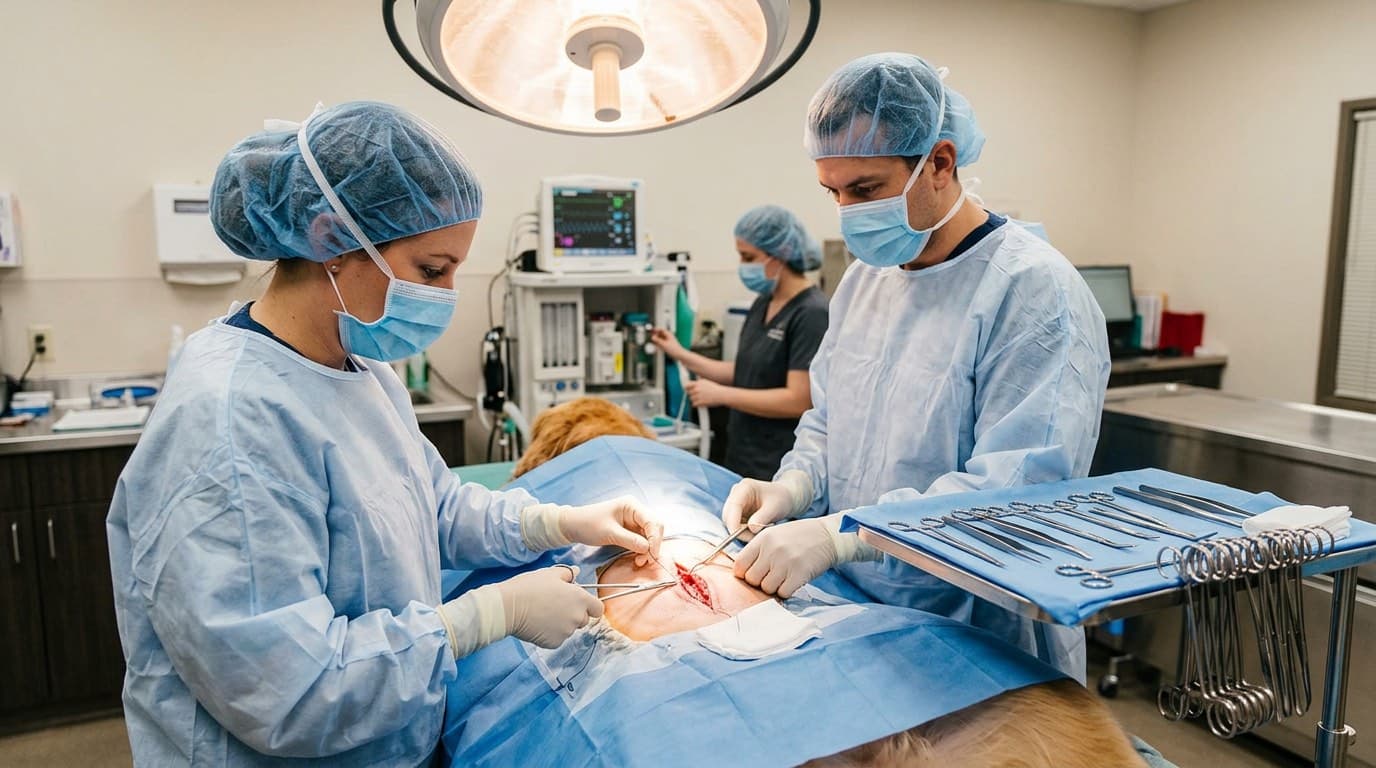
While CKD cannot be cured, a multi-modal management approach can significantly slow progression and maintain quality of life. The cornerstone of nutritional management is a therapeutic renal diet — these diets are restricted in phosphorus and moderate in high-quality protein, which reduces the workload on remaining nephrons and limits the accumulation of uremic toxins. Studies have demonstrated that cats fed prescription renal diets survive significantly longer than those on standard maintenance diets, making dietary transition one of the most evidence-based interventions available.
Phosphorus management extends beyond diet. When blood phosphorus remains elevated despite dietary restriction, intestinal phosphate binders such as aluminum hydroxide or lanthanum carbonate are added to meals to reduce phosphorus absorption from food. Controlling phosphorus slows the progression of secondary renal hyperparathyroidism, which contributes to further kidney damage and mineral imbalances. Fluid therapy — typically subcutaneous fluids administered at home — helps maintain hydration in cats that cannot compensate for their excessive urinary water losses through drinking alone.
Blood pressure monitoring and management with medications such as amlodipine are critical, because hypertension silently damages the eyes, brain, heart, and remaining kidney tissue. Anti-nausea medications like maropitant (Cerenia) and appetite stimulants such as mirtazapine can make a meaningful difference in daily comfort and food intake. Potassium supplementation addresses the hypokalemia that many CKD cats develop, which otherwise causes muscle weakness and worsens kidney function. Regular veterinary rechecks — typically every three to six months for stable cases, more frequently for advanced stages — allow the care team to adjust the treatment plan as the disease evolves.
What You Can Do at Home
Owners play an essential role in managing CKD, and daily home care significantly impacts a cat's comfort and longevity. Monitoring water intake is one of the simplest and most informative habits — measure how much water you put in the bowl each day and note how much remains. Sudden increases or decreases in drinking can signal disease progression or a secondary complication and should prompt a veterinary call.
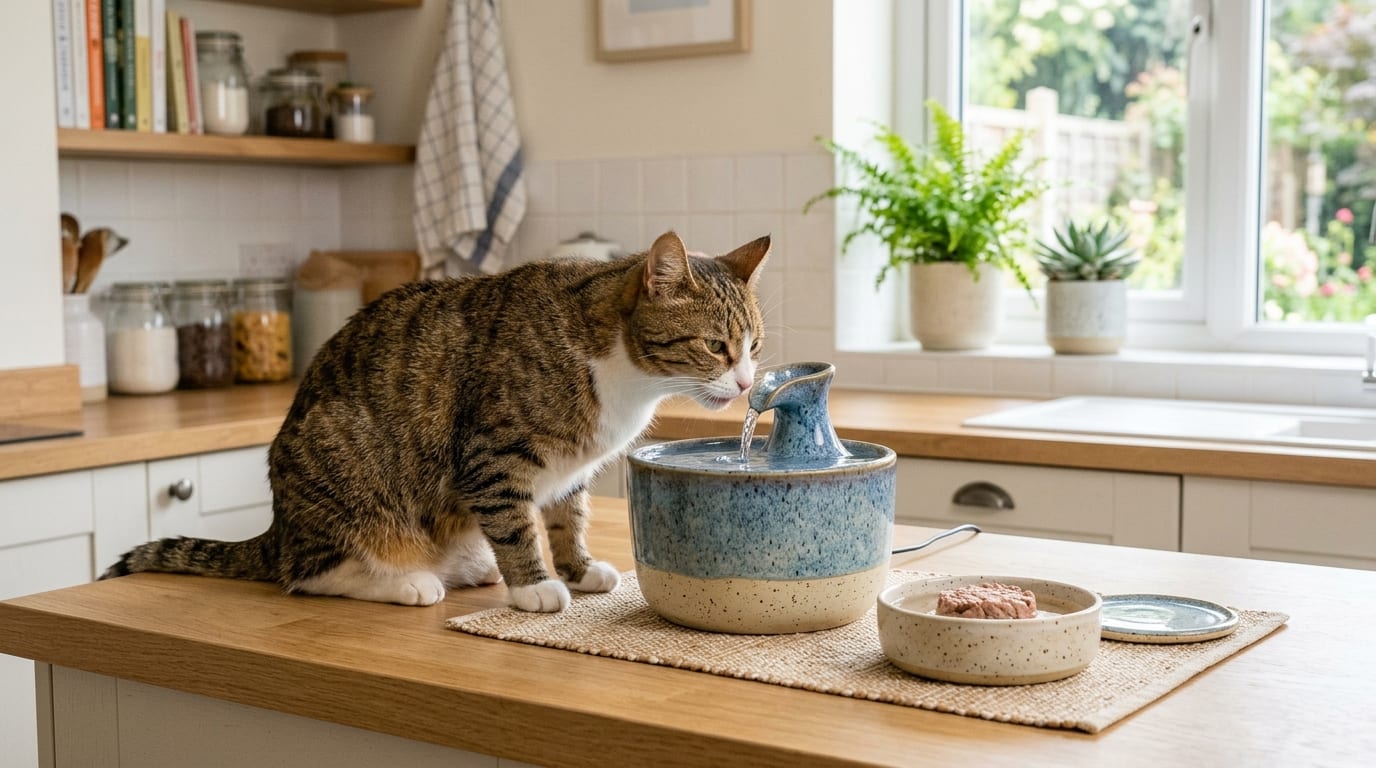
Encourage hydration by providing multiple fresh water sources throughout the home, using pet water fountains (many cats prefer moving water), and offering moisture-rich foods such as renal-formulated wet food or adding warm water to kibble. Transitioning to a prescription renal diet should be done gradually over seven to fourteen days by mixing increasing proportions of the new food with the old. Forcing a sudden switch often causes food aversion, which is particularly problematic in cats that are already eating reluctantly.
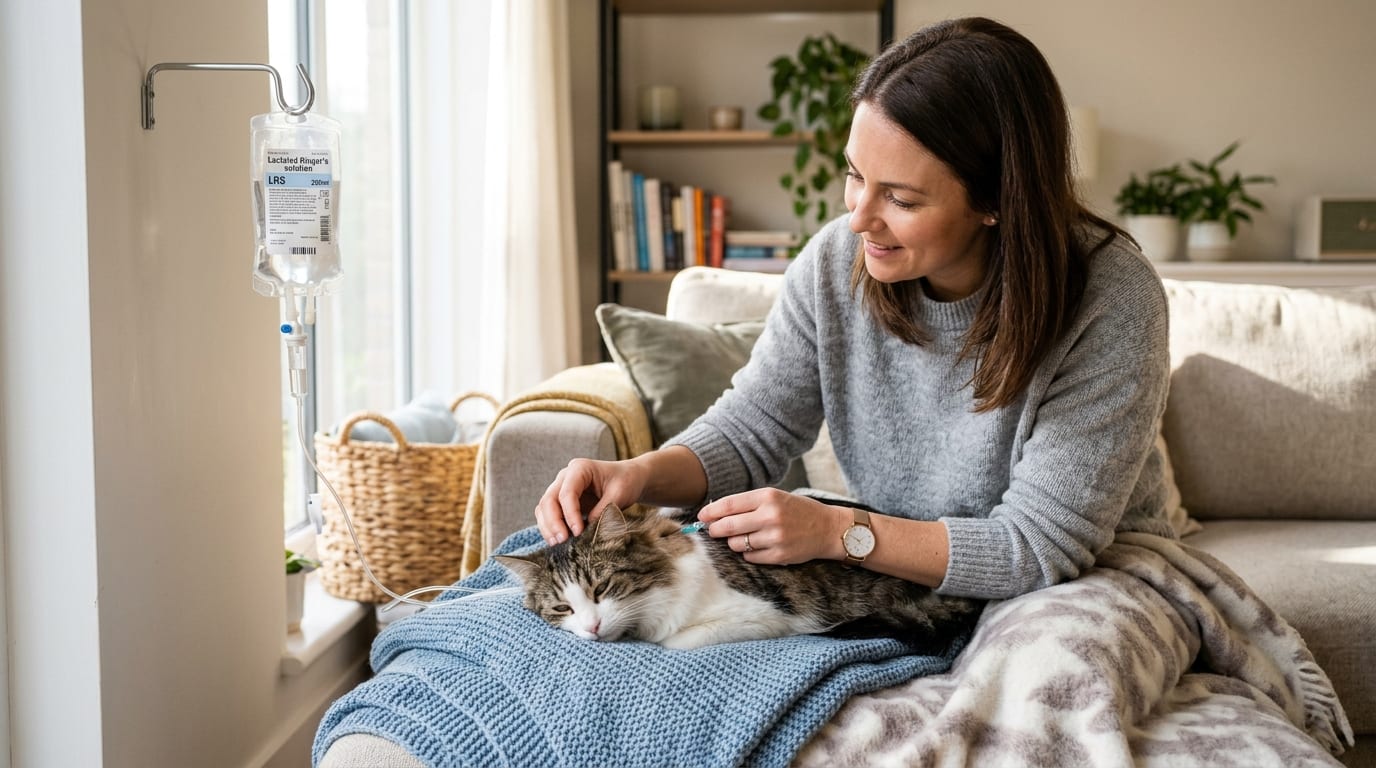
Keep a simple weekly log of your cat's weight (a baby scale works well), appetite level, energy, litter box output, and any episodes of vomiting or nausea. This log becomes invaluable at veterinary visits and helps detect trends that day-to-day observation might miss. Reduce stress by maintaining a predictable routine, providing quiet resting spots, and minimizing environmental disruptions — chronic stress elevates blood pressure and cortisol, both of which are counterproductive in CKD management. Finally, learn to administer subcutaneous fluids if your veterinarian recommends them; most owners find the process far less intimidating than expected once they have been guided through it.
Monitoring Quality of Life and Knowing When to Reassess
One of the most important and often most difficult aspects of managing CKD is honestly evaluating quality of life as the disease progresses. Quality of life scales — such as the HHHHHMM scale (Hurt, Hunger, Hydration, Hygiene, Happiness, Mobility, More good days than bad) — provide a structured framework for making this assessment objective rather than purely emotional. Completing this assessment regularly, such as once a week, helps owners track trends over time.
A cat with well-managed CKD can maintain a good quality of life for a surprisingly long time, especially when diagnosed at IRIS Stage 1 or 2. The goal of treatment is never to achieve a cure but to preserve comfort, appetite, and engagement with the household. Many cats in Stage 2 and early Stage 3 continue to enjoy sunbeams, lap time, play, and normal social interaction with attentive management.
When clinical signs become refractory to treatment — persistent nausea despite medication, refusal to eat, severe weakness, disorientation, or obvious distress — it is time to have an honest conversation with your veterinary team about palliative care and humane end-of-life options. Veterinarians experienced in feline medicine can help guide this conversation with compassion and clarity, ensuring that the decision is made with the cat's welfare as the central priority.

Frequently Asked Questions
How long can a cat live with chronic kidney disease?
Survival time varies significantly depending on the IRIS stage at diagnosis and the consistency of management. Cats diagnosed at Stage 2 with good treatment adherence often live two to three years or longer. Cats diagnosed at Stage 3 may live one to two years with appropriate care. Stage 4 carries a more guarded prognosis, though individual responses to treatment vary widely.
What is the best diet for a cat with kidney disease?
Veterinary prescription renal diets are the gold standard. These diets are restricted in phosphorus, contain moderate levels of high-quality protein, and are supplemented with omega-3 fatty acids and potassium. Research consistently shows that cats fed therapeutic renal diets survive significantly longer than those on standard diets. Your veterinarian can recommend specific brands suited to your cat's stage and preferences.
Can I give my CKD cat subcutaneous fluids at home?
Yes, and it is one of the most common and effective home treatments for CKD cats. Your veterinary team will demonstrate the technique, prescribe the appropriate fluid type and volume, and establish a schedule — typically every one to three days depending on the cat's hydration status. Most owners become comfortable with the process after a few sessions, and most cats tolerate it well.
What are the first signs of kidney disease in cats?
The earliest signs are often increased thirst and urination, which can be subtle and easily attributed to aging. Other early indicators include gradual weight loss, a declining appetite, a dull or unkempt coat, and mild lethargy. Because cats hide illness instinctively, routine wellness blood work for cats over seven years old is the most reliable way to catch CKD before clinical signs become obvious.
Is chronic kidney disease painful for cats?
CKD itself does not typically cause direct pain, but its complications — such as nausea, mouth ulcers, dehydration, muscle wasting, and hypertension — cause significant discomfort and diminished well-being. Effective management targets these complications specifically. With proper treatment, most CKD cats can remain comfortable and maintain a good quality of life for an extended period.
References
- International Renal Interest Society (IRIS). "IRIS Staging of CKD." iris-kidney.com, 2023.
- Cornell University College of Veterinary Medicine. "Chronic Kidney Disease." Cornell Feline Health Center, 2024.
- Sparkes, A.H., et al. "ISFM Consensus Guidelines on the Diagnosis and Management of Feline Chronic Kidney Disease." Journal of Feline Medicine and Surgery, vol. 18, no. 3, 2016, pp. 219-239.
- Quimby, J.M. "Update on Medical Management of Clinical Manifestations of Chronic Kidney Disease." Veterinary Clinics of North America: Small Animal Practice, vol. 46, no. 6, 2016, pp. 1163-1181.