Quick Answer
An evidence-based guide to inflammatory bowel disease in dogs and cats covering histopathologic classification, endoscopy vs full-thickness biopsy, cobalamin deficiency, dietary management, and immunosuppressive treatment protocols.
Key Takeaways
- ✓IBD is a diagnosis of exclusion — parasites, dietary causes, and other diseases must be ruled out before pursuing biopsies.
- ✓Distinguishing IBD from low-grade intestinal lymphoma in cats requires histopathology and often immunohistochemistry or PARR testing.
- ✓Cobalamin (B12) deficiency is extremely common in IBD patients and must be corrected for optimal treatment response.
- ✓Treatment follows a stepwise approach: dietary trial first, then prednisolone ± additional immunosuppressants as needed.
- ✓Most pets with IBD can be managed successfully with dietary compliance and medical therapy, achieving good long-term quality of life.
What Is Inflammatory Bowel Disease?
Inflammatory bowel disease (IBD) is a group of chronic gastrointestinal disorders characterized by persistent or recurrent infiltration of the intestinal wall by inflammatory cells. It is one of the most common causes of chronic vomiting, diarrhea, and weight loss in dogs and cats, and it represents a significant diagnostic and therapeutic challenge in veterinary gastroenterology.
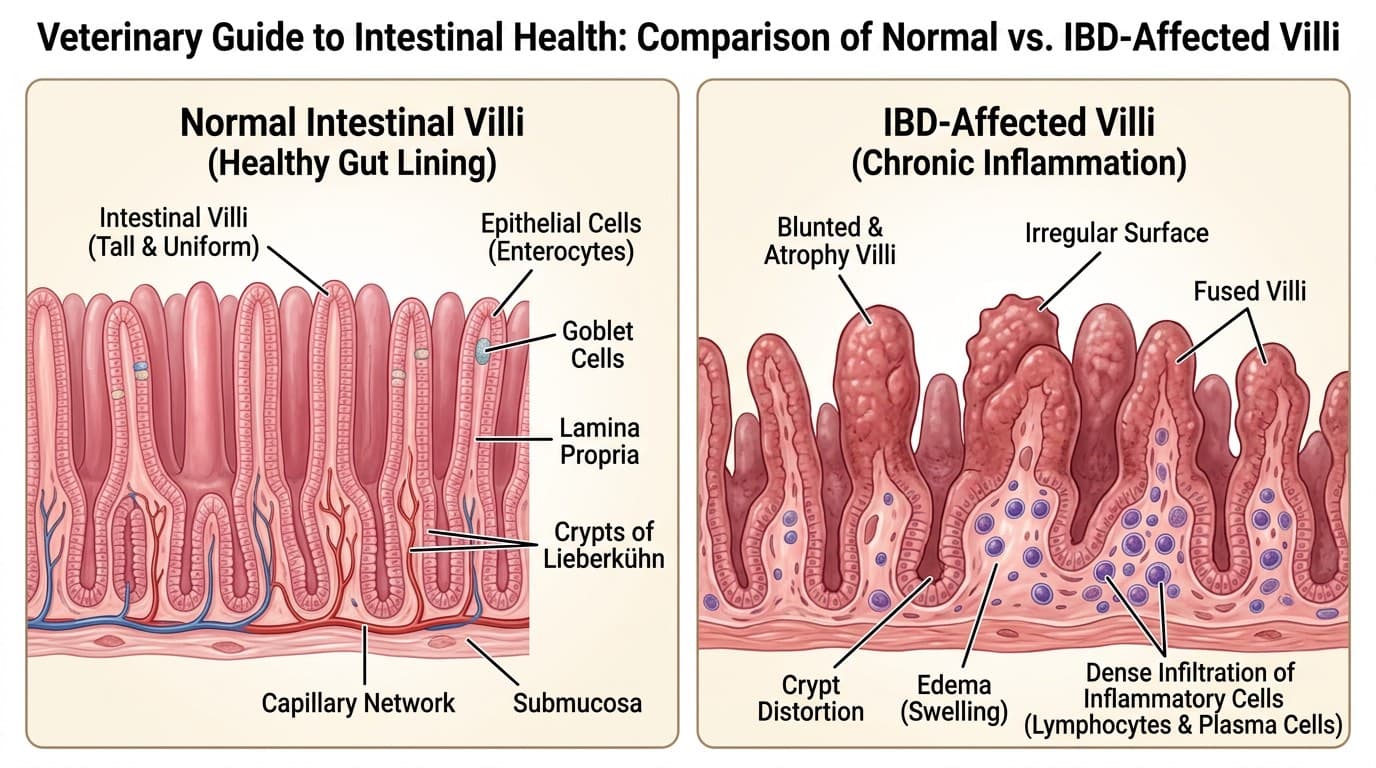
IBD is not a single disease but rather a spectrum of conditions classified by the predominant type of inflammatory cell found on intestinal biopsies. Lymphocytic-plasmacytic enteritis is the most common form in both dogs and cats. Eosinophilic enteritis, granulomatous enteritis, and neutrophilic enteritis are less common variants. The location of inflammation also matters — it may affect the stomach (gastritis), small intestine (enteritis), large intestine (colitis), or any combination.
The exact cause of IBD remains incompletely understood, but current evidence supports a multifactorial model involving genetic susceptibility, a dysregulated immune response, alterations in the intestinal microbiome (dysbiosis), and environmental triggers including dietary antigens. In essence, the immune system in the gut wall overreacts to normally tolerated stimuli — bacteria, food proteins, or other luminal contents — creating a self-perpetuating cycle of inflammation that damages the intestinal lining and impairs nutrient absorption.
A critical clinical concern is the distinction between IBD and intestinal lymphoma, particularly in cats. Low-grade alimentary lymphoma (small cell lymphoma) can present with identical clinical signs, similar histopathologic findings on endoscopic biopsies, and comparable initial treatment responses, making differentiation challenging but essential because the prognosis and treatment protocols differ significantly.
Clinical Signs
The clinical presentation of IBD depends on which part of the gastrointestinal tract is predominantly affected.
Small Intestinal Disease (Enteritis)
When the small intestine is the primary site of inflammation, signs reflect impaired nutrient absorption:
- Chronic diarrhea — large-volume, soft to watery stools, sometimes with a fatty or rancid quality (steatorrhea) if fat absorption is impaired
- Weight loss — often progressive and sometimes dramatic despite a normal or even increased appetite
- Vomiting — intermittent, sometimes the only sign in cats
- Decreased appetite — variable; some animals become inappetent while others remain hungry
- Borborygmus and flatulence — audible intestinal sounds and gas production
Large Intestinal Disease (Colitis)
When the colon is primarily involved, signs are distinct:
- Frequent small-volume stools — often with mucus or fresh red blood (hematochezia)
- Urgency and straining — tenesmus (straining to defecate) is a hallmark
- Fecal accidents — loss of normal bowel control, particularly in older cats
Cats: The Triad
Cats with IBD frequently have concurrent inflammatory disease in other organs — a phenomenon known as "triaditis." This involves simultaneous IBD, cholangitis (inflammatory liver disease), and pancreatitis. The clinical picture in affected cats may include vomiting, diarrhea, weight loss, jaundice, abdominal pain, and fever. Recognition of triaditis is important because it requires a broader therapeutic approach.
Protein-Losing Enteropathy (PLE)
In severe cases, intestinal inflammation is so extensive that albumin and other proteins leak from the damaged intestinal wall faster than the body can replace them. Protein-losing enteropathy causes dangerously low blood albumin levels, leading to fluid accumulation in the abdomen (ascites) and limbs (peripheral edema). PLE is a serious complication requiring aggressive treatment.
Diagnostic Workup
IBD is a diagnosis of exclusion — meaning other causes of chronic GI signs must be systematically ruled out before the label is applied. A thorough workup is essential.
Step 1: Rule Out Common Causes
Before pursuing biopsies, veterinarians should exclude more common and treatable causes of chronic GI signs:
- Fecal testing — for intestinal parasites (Giardia, whipworms, hookworms)
- Complete bloodwork — CBC, chemistry panel, and feline-specific tests (fPLI for pancreatitis, T4 for hyperthyroidism)
- Cobalamin (B12) and folate levels — cobalamin deficiency is common in cats and dogs with small intestinal disease and must be corrected for optimal treatment response
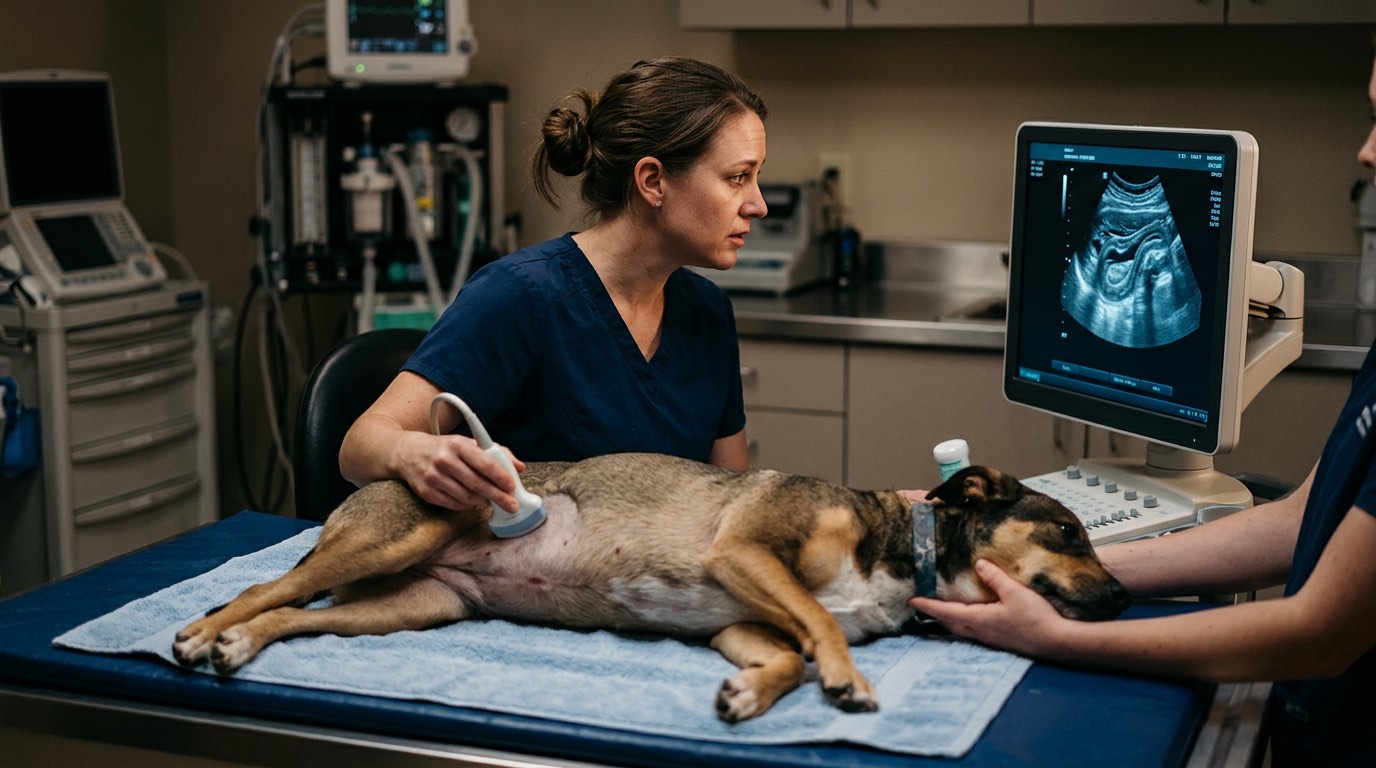
- Abdominal ultrasound — evaluates intestinal wall thickness, lymph node enlargement, and identifies masses or foreign bodies
Step 2: Dietary Trial
Many animals with chronic GI signs respond to a dietary trial with a novel protein or hydrolyzed protein diet (typically 6–8 weeks minimum). Animals that respond may have food-responsive enteropathy (FRE), which does not require biopsy or immunosuppressive therapy. Only animals that fail an appropriate dietary trial should be considered for biopsy.
Step 3: Endoscopic or Surgical Biopsy
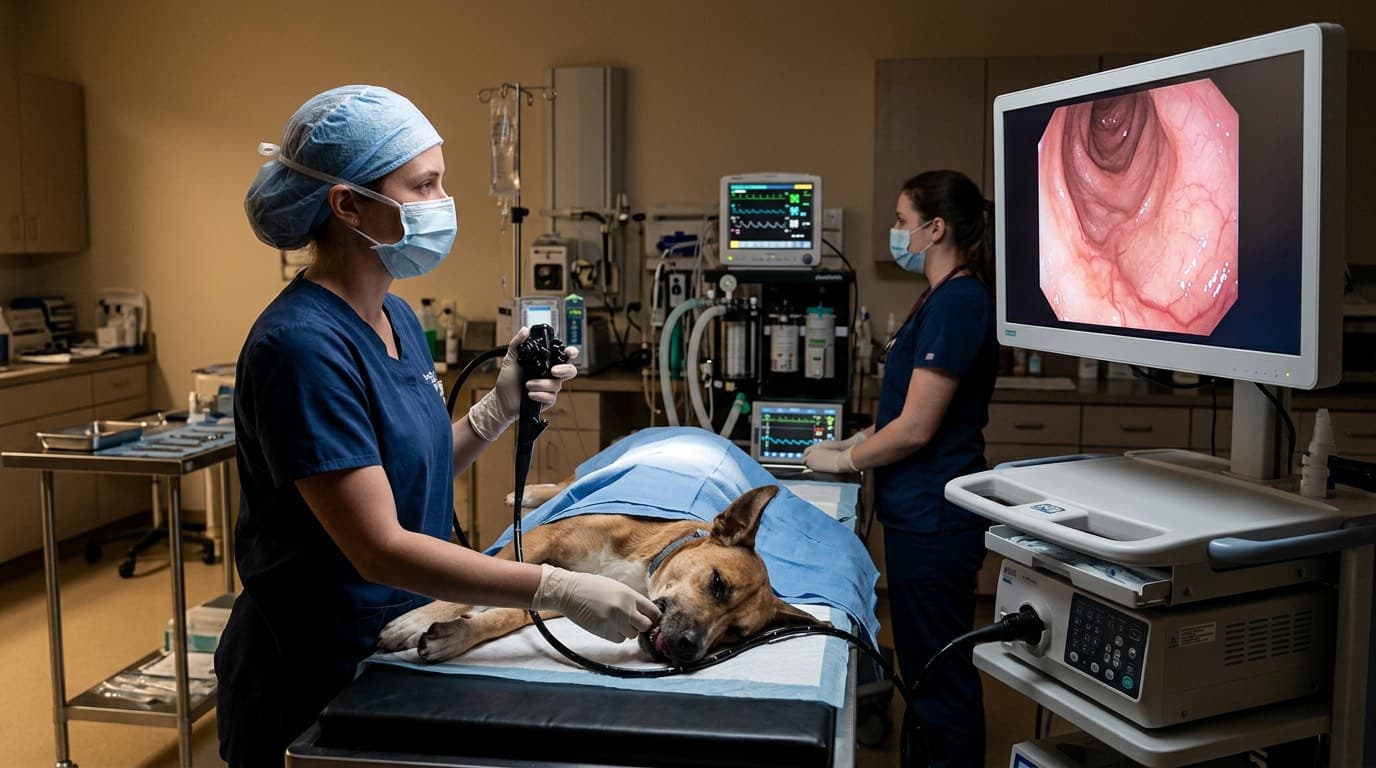
Definitive diagnosis of IBD requires histopathologic examination of intestinal biopsies. Endoscopy (gastroduodenoscopy and colonoscopy) provides minimally invasive mucosal biopsies and is the most common approach. However, endoscopic biopsies are superficial (mucosa only) and may not be sufficient to distinguish IBD from low-grade lymphoma, particularly in cats.
Full-thickness surgical biopsies (obtained via laparoscopy or exploratory surgery) sample all layers of the intestinal wall and are more reliable for differentiating IBD from lymphoma. They also allow biopsy of the liver, pancreas, and mesenteric lymph nodes. The trade-off is greater invasiveness and anesthetic risk.
IBD vs Lymphoma in Cats
Immunohistochemistry and clonality testing (PARR — PCR for antigen receptor rearrangement) on biopsy samples can help distinguish polyclonal inflammatory infiltrates (IBD) from monoclonal neoplastic populations (lymphoma). This distinction is critically important because low-grade lymphoma in cats has a median survival of 2+ years with appropriate chemotherapy, while untreated cases progress more rapidly.
Treatment Strategies
IBD management follows a stepwise approach, starting with dietary modification and escalating to immunosuppressive therapy as needed.
Dietary Management
Diet is the foundation of IBD therapy. Options include:
- Novel protein diets — using a protein source the animal has never eaten (venison, rabbit, duck, kangaroo) to minimize immune stimulation
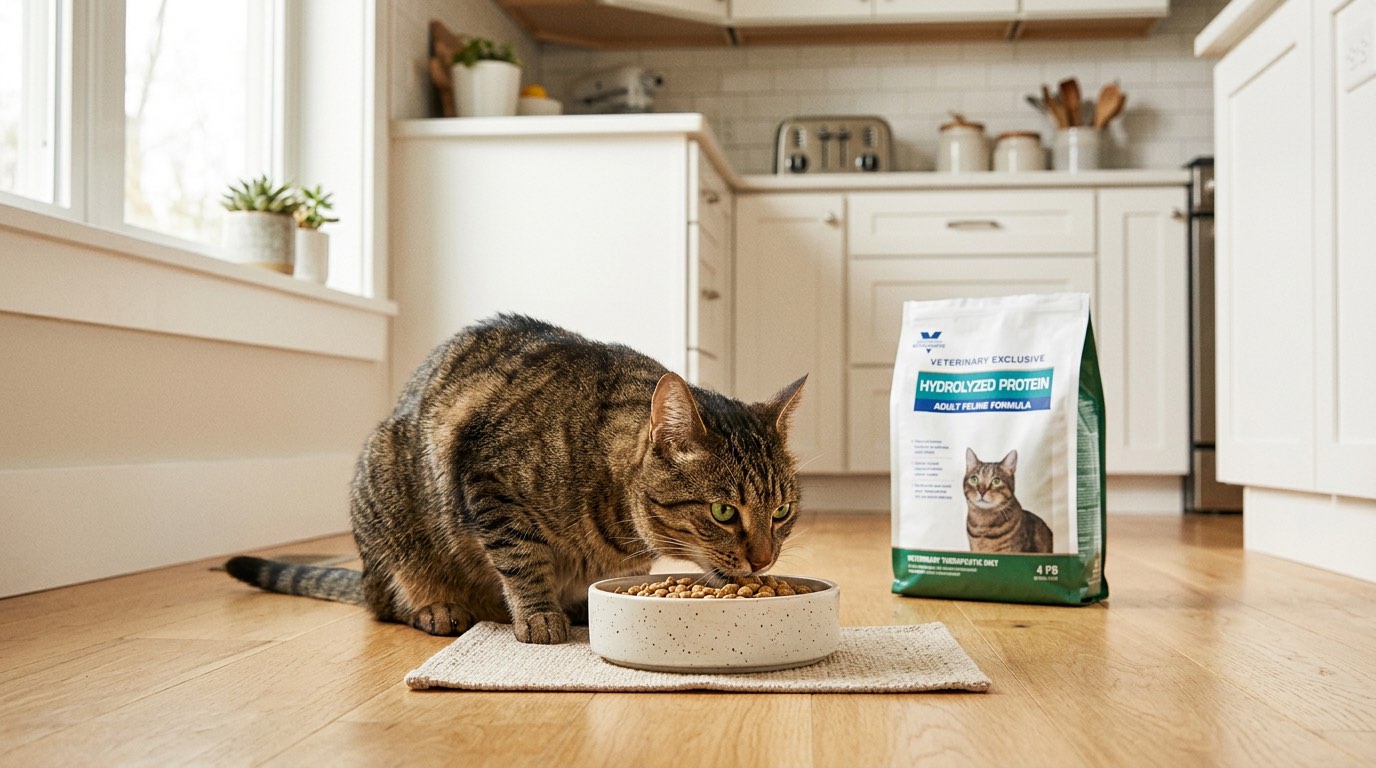
- Hydrolyzed protein diets — proteins are broken into fragments too small to trigger an immune response (Hill's z/d, Royal Canin Ultamino, Purina HA)
- Highly digestible diets — for cases where malabsorption is the primary concern
Dietary changes should be exclusive — no treats, table scraps, or flavored medications that might contain triggering proteins.
Cobalamin (B12) Supplementation
Cobalamin deficiency is extremely common in cats and dogs with IBD, particularly when the ileum is involved (the ileum is the primary site of B12 absorption). Cobalamin deficiency impairs mucosal healing and immune function, and supplementation significantly improves treatment outcomes. Injectable cyanocobalamin (250–1500 mcg subcutaneously weekly for 6 weeks, then monthly) is the traditional approach, though recent studies support oral supplementation at high doses as an effective alternative.
Immunosuppressive Therapy
When dietary management alone is insufficient, immunosuppressive medications are added:
- Prednisolone/prednisone — the first-line immunosuppressant, starting at 1–2 mg/kg/day and gradually tapered over 8–12 weeks to the lowest effective dose. Budesonide is a locally-acting steroid alternative that may cause fewer systemic side effects
- Chlorambucil — a chemotherapy agent commonly paired with prednisolone for feline IBD and for cases unresponsive to steroids alone. It is also the standard treatment for low-grade intestinal lymphoma in cats
- Azathioprine — used in dogs (but contraindicated in cats due to severe bone marrow toxicity) as a steroid-sparing immunosuppressant
- Cyclosporine — an option for refractory cases in both dogs and cats
- Metronidazole — has both antimicrobial and immunomodulatory properties and is often used as adjunctive therapy
Probiotics and Fecal Microbiota Transplant
Given the role of dysbiosis in IBD pathogenesis, probiotics and fecal microbiota transplantation (FMT) are increasingly explored as therapeutic adjuncts. Certain probiotic strains have shown modest benefit in reducing inflammation scores, though robust evidence is still developing.
Prognosis & Long-Term Outlook
The prognosis for IBD varies considerably depending on the severity of disease, the presence of complications, and the response to therapy.
Favorable Prognosis
The majority of dogs and cats with IBD can be managed successfully with a combination of dietary modification and medical therapy. Food-responsive enteropathy carries an excellent prognosis — many animals achieve complete remission on an appropriate diet alone. Mild to moderate IBD that responds to initial steroid therapy typically maintains good quality of life with gradual medication tapering and dietary compliance.
Guarded Prognosis
Animals with severe protein-losing enteropathy, those requiring multiple immunosuppressive agents, and cases with significant albumin depletion carry a more guarded prognosis. Cats with concurrent triaditis may be more challenging to manage due to the complexity of multi-organ disease.
Monitoring
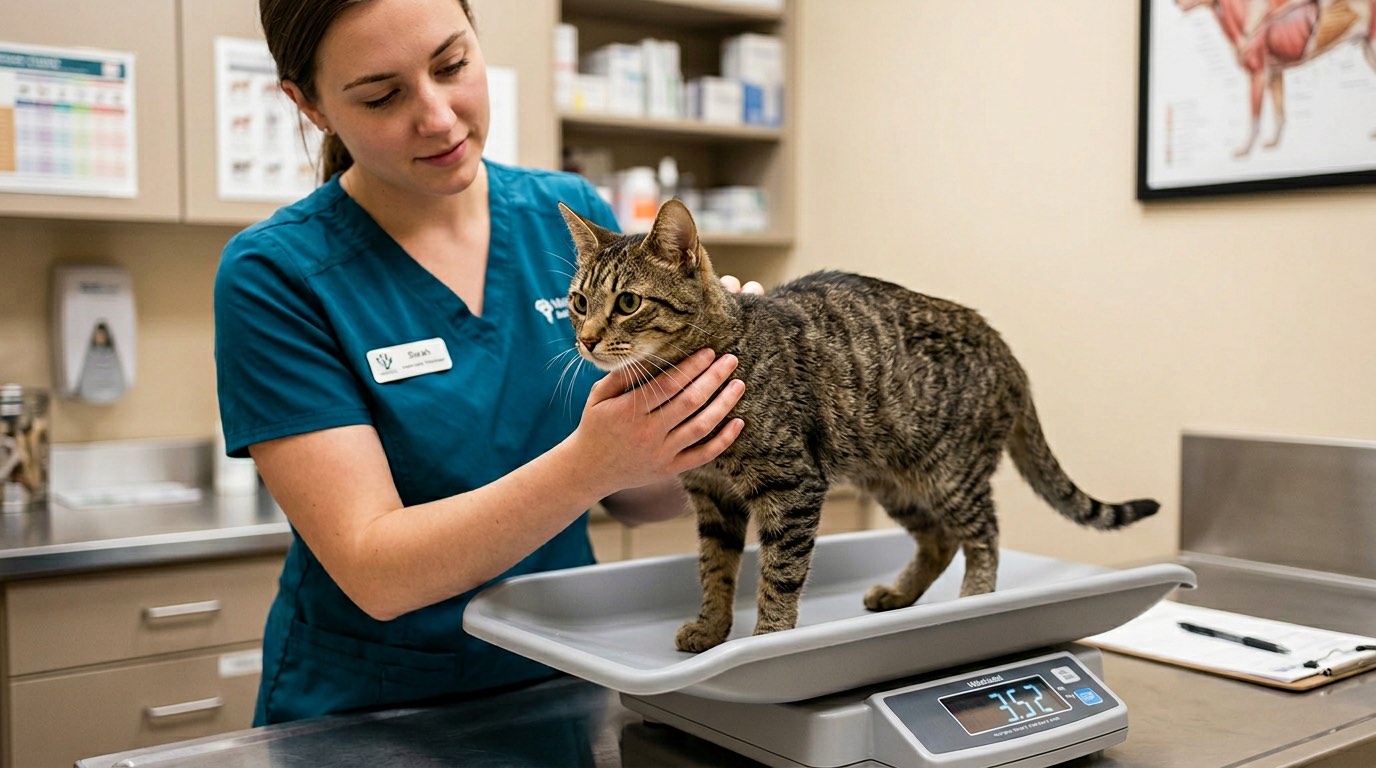
Regular rechecks every 3–6 months should include body weight assessment, clinical sign evaluation, and periodic bloodwork to monitor albumin levels, cobalamin status, and medication side effects (particularly with long-term steroid use). Repeat endoscopy is occasionally performed to assess mucosal healing, though clinical response is typically the primary monitoring parameter.
Owner Education
Owners should understand that IBD is a chronic condition requiring ongoing dietary compliance and, often, long-term medication. Relapses can occur — particularly during periods of stress or dietary indiscretion — but are usually manageable with temporary dose increases. The goal of therapy is sustained remission and good quality of life, not necessarily a cure. With committed management, many pets with IBD enjoy years of comfortable, active life.
It is also important to have realistic conversations about cost, as IBD workup (including endoscopy, biopsies, and specialty consultations) and long-term management can represent a significant financial commitment.
Frequently Asked Questions
What is the difference between IBD and irritable bowel syndrome in pets?
IBD is a pathologic diagnosis confirmed by intestinal biopsies showing inflammatory cell infiltration. Irritable bowel syndrome (IBS) is a functional disorder without structural changes on biopsy. In veterinary medicine, IBS is primarily described in dogs with stress-related large bowel diarrhea. The two conditions have different causes and require different treatments.
Can IBD in cats turn into lymphoma?
There is evidence suggesting that chronic intestinal inflammation may, in some cases, progress to low-grade lymphoma over time — though this remains debated. More commonly, the challenge is distinguishing between the two conditions at the time of diagnosis because they can look very similar on endoscopic biopsies. This is why advanced testing like immunohistochemistry is valuable.
How long does an IBD dietary trial need to last?
A strict dietary trial with a novel protein or hydrolyzed diet should last a minimum of 6 to 8 weeks to fully evaluate response. During this period, the diet must be fed exclusively — no treats, table food, or flavored medications that could contain triggering proteins. Improvement may begin within 2 weeks, but some animals need the full trial duration.
Is IBD in dogs and cats curable?
IBD is generally a chronic, manageable condition rather than a curable one. Many animals achieve long-term remission with appropriate dietary management and medication, but the underlying tendency toward intestinal inflammation persists. Periodic flares may occur, especially during stress or dietary changes, but these are typically manageable with treatment adjustments.
Why does my vet want to check B12 levels in my cat with chronic diarrhea?
Cobalamin (B12) is absorbed exclusively in the ileum (lower small intestine), which is commonly affected by IBD and lymphoma in cats. Low B12 levels indicate significant intestinal disease, impair mucosal healing, and worsen prognosis if left uncorrected. Supplementing B12 is a simple, inexpensive intervention that meaningfully improves treatment outcomes.
References
- Jergens AE, Simpson KW. Inflammatory bowel disease in veterinary medicine. Frontiers in Bioscience-Elite. 2012;4(4):1404-1419.
- Marsilio S, et al. Distinguishing inflammatory bowel disease from alimentary lymphoma in cats: current and emerging approaches. Veterinary Pathology. 2023;60(1):3-13.
- Simpson KW, Jergens AE. Pitfalls and progress in the diagnosis and management of canine inflammatory bowel disease. Veterinary Clinics of North America: Small Animal Practice. 2011;41(2):381-398.
- Dandrieux JRS. Inflammatory bowel disease versus chronic enteropathy in dogs: are they one and the same? Journal of Small Animal Practice. 2016;57(11):589-599.