Quick Answer
A practical guide to kennel cough (CIRD) in dogs covering the multi-pathogen nature of the disease, clinical signs, diagnostic options, supportive and antibiotic treatment, vaccination strategies, and quarantine protocols.
Key Takeaways
- ✓Kennel cough (CIRD) is caused by multiple pathogens acting together — no single vaccine covers all agents in the complex.
- ✓Most cases in healthy adult dogs are self-limiting and resolve in 7–14 days with supportive care.
- ✓Puppies, elderly dogs, and brachycephalic breeds are at higher risk for progression to pneumonia and need prompt veterinary evaluation.
- ✓The Bordetella vaccine (intranasal, oral, or injectable) is strongly recommended for any dog with social exposure to other dogs.
- ✓Infected dogs should be isolated for at least 14 days to prevent spread to other dogs.
What Is Kennel Cough?
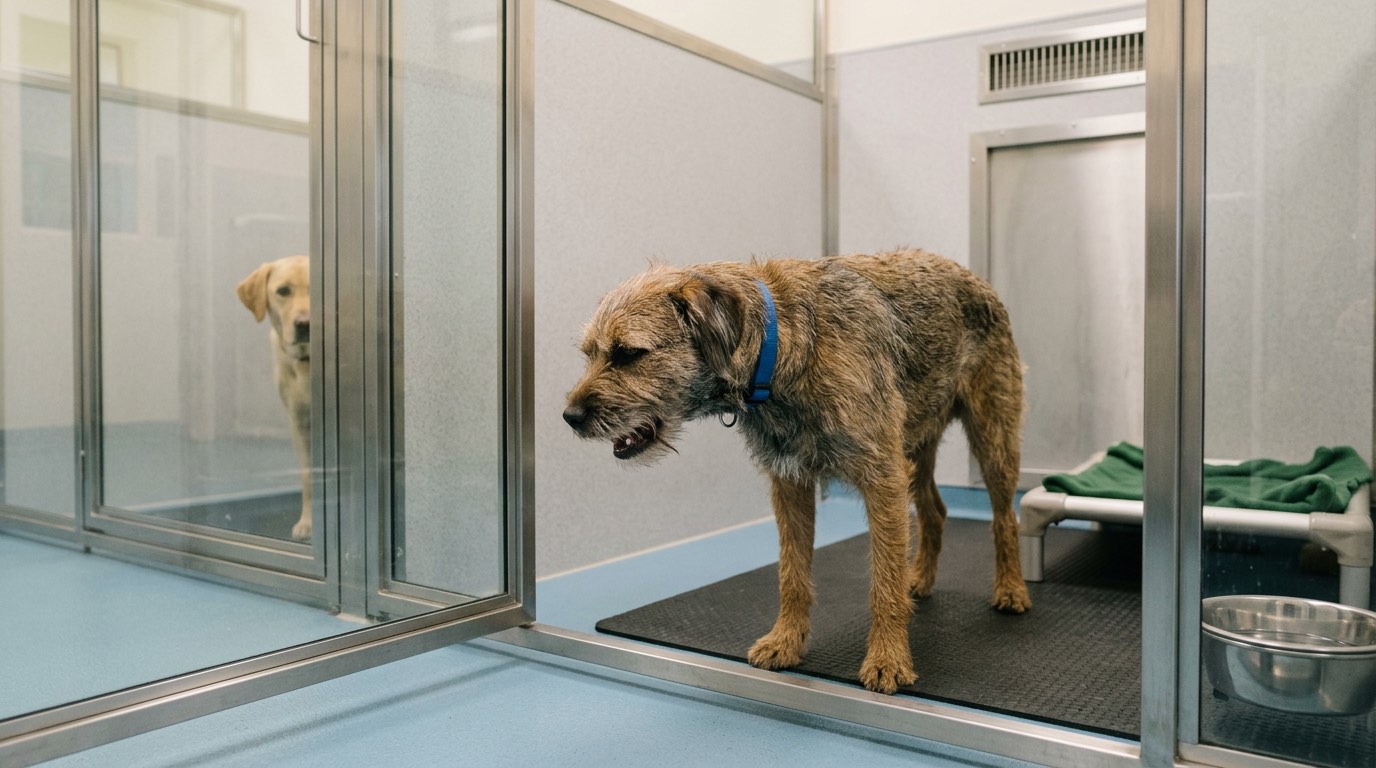
"Kennel cough" is the colloquial term for canine infectious respiratory disease complex (CIRD) — a highly contagious condition involving the upper respiratory tract of dogs. The name is somewhat misleading: while boarding kennels, shelters, and doggy daycares are common settings for outbreaks, dogs can contract CIRD anywhere they encounter other dogs, including dog parks, grooming salons, veterinary waiting rooms, and training classes.
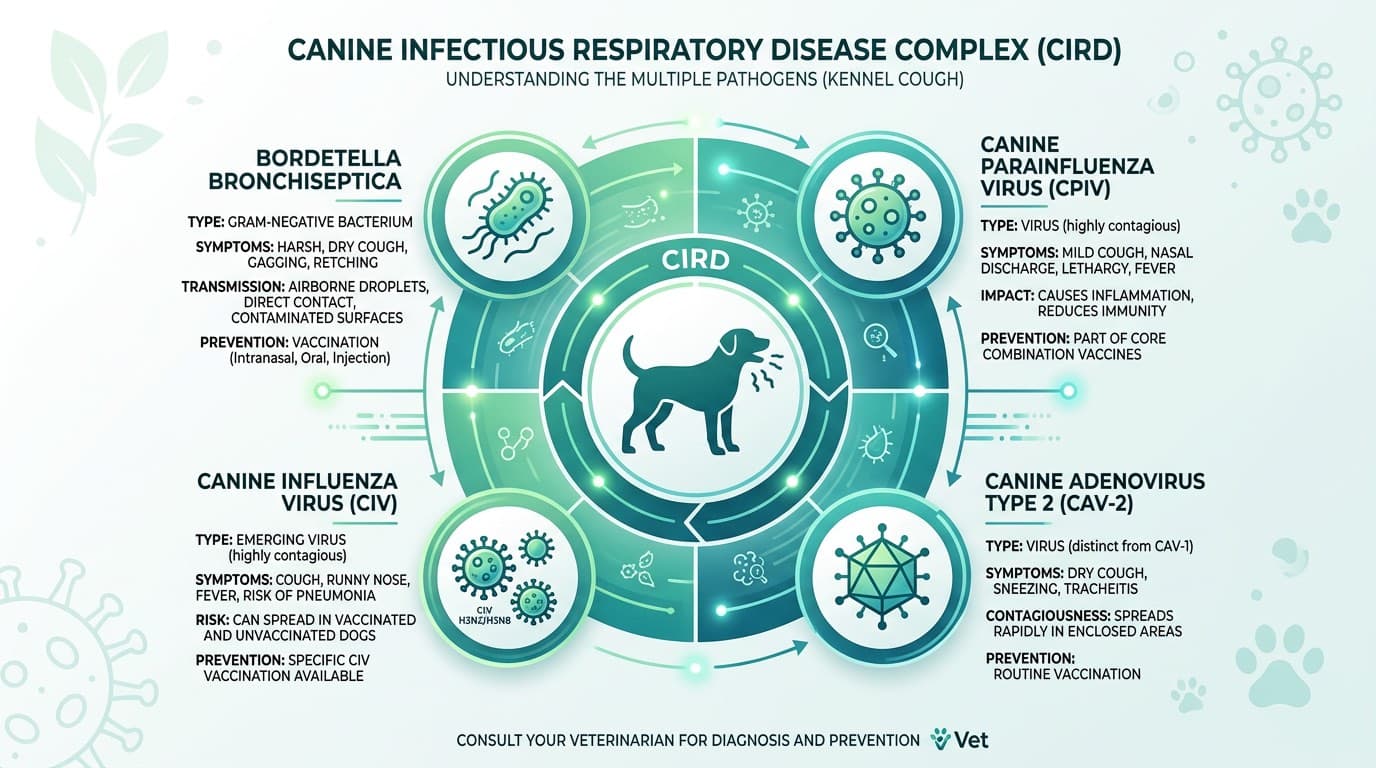
CIRD is not caused by a single organism but rather by a complex of viral and bacterial pathogens that can act alone or in combination. The most frequently implicated agents include Bordetella bronchiseptica (a bacterium), canine parainfluenza virus, canine adenovirus type 2, canine respiratory coronavirus, canine herpesvirus, canine influenza virus (H3N2 and H3N8), Mycoplasma species, and Streptococcus equi subspecies zooepidemicus.
In most healthy adult dogs, CIRD is a self-limiting condition that resolves within 7 to 14 days with or without treatment — analogous to the common cold in humans. However, young puppies, elderly dogs, immunocompromised animals, and brachycephalic breeds (with already compromised airways) are at higher risk for progression to serious lower respiratory disease, including bronchopneumonia, which can be life-threatening.
The incubation period is typically 3 to 10 days after exposure. Dogs are most contagious during the acute phase of illness and may continue shedding organisms for several weeks after clinical resolution — an important consideration for quarantine planning.
Clinical Signs & When to Worry
The hallmark clinical sign of kennel cough is a sudden-onset, harsh, dry, hacking cough that owners frequently describe as sounding like a "honking goose" or as if something is stuck in the dog's throat. The cough may be paroxysmal (occurring in fits) and is often triggered by excitement, exercise, pressure on the trachea (from a collar or leash pull), or changes in air temperature.
Mild/Uncomplicated Cases
In the majority of cases, the cough is the primary or only sign. Dogs typically remain bright, alert, and active between coughing episodes. Appetite is usually maintained. There may be mild clear nasal discharge and occasional retching or gagging after a coughing spell (which owners sometimes mistake for vomiting). A low-grade fever may or may not be present.
Severe/Complicated Cases — Warning Signs
The following signs indicate possible progression to lower respiratory disease and warrant prompt veterinary attention:
- Persistent fever — temperature above 39.4°C (103°F)
- Lethargy and depression — loss of normal energy and interest
- Decreased or absent appetite — refusal to eat for more than 24 hours
- Productive cough — moist, wet-sounding cough suggesting airway fluid
- Nasal discharge — thick, green, or yellow discharge indicating secondary infection
- Increased respiratory rate and effort — breathing faster or harder than normal at rest
- Cyanosis — blue-tinged gums indicating inadequate oxygenation
Puppies under 6 months, elderly dogs, and dogs with pre-existing respiratory or cardiac conditions are at highest risk for complications and should be evaluated promptly at the first sign of coughing.
Diagnosis & Treatment
Diagnosis
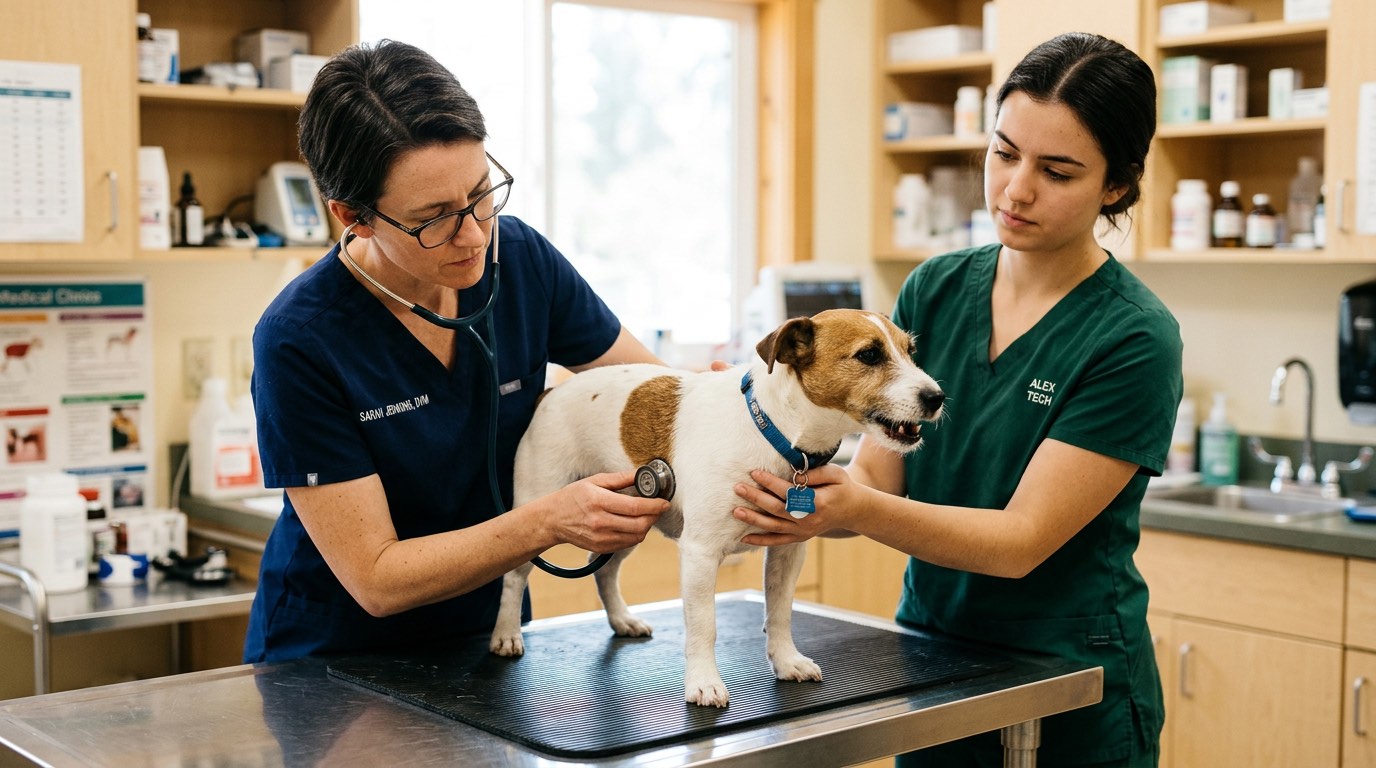
In most cases, kennel cough is diagnosed clinically based on history (recent exposure to other dogs, boarding, grooming, or daycare attendance) and characteristic physical examination findings (harsh, dry cough easily elicited by tracheal palpation). Specific diagnostic testing is typically reserved for outbreaks, severe cases, or when influenza is suspected.
Available diagnostic tests include:
- Respiratory PCR panels — nasopharyngeal or oropharyngeal swabs can be submitted for PCR testing that simultaneously screens for Bordetella, parainfluenza, adenovirus, influenza, Mycoplasma, and other pathogens
- Canine influenza testing — important to identify because influenza has different epidemiological implications and quarantine requirements
- Thoracic radiographs — indicated when pneumonia is suspected; radiographs of uncomplicated CIRD are typically normal
Supportive Treatment for Mild Cases
Most healthy adult dogs with uncomplicated kennel cough recover without specific treatment. Supportive measures include:
- Rest — reduce exercise during the acute coughing phase
- Humidity — running a humidifier or bringing the dog into a steamy bathroom can soothe irritated airways
- Harness instead of collar — avoid tracheal pressure that triggers coughing
- Honey — a teaspoon of honey (for dogs over 1 year) may soothe throat irritation (limited evidence, but low risk)
- Cough suppressants — hydrocodone or butorphanol may be prescribed for dogs with severe, non-productive cough that is disrupting sleep or causing distress. Cough suppressants should NOT be used if pneumonia is suspected, as coughing helps clear infected material from the lower airways
Antibiotic Therapy
Antibiotics are indicated when Bordetella is the suspected primary agent, when secondary bacterial infection is present (mucopurulent discharge, fever, radiographic changes), or in high-risk patients (puppies, elderly, immunosuppressed). Doxycycline (5 mg/kg twice daily for 10–14 days) is the first-line antibiotic because it has activity against Bordetella, Mycoplasma, and common secondary bacterial pathogens. Alternatives include amoxicillin-clavulanate and azithromycin.

Vaccination Strategies
Vaccination is the primary tool for reducing the severity and spread of CIRD, though it is important for owners to understand that no vaccine provides complete protection against all pathogens in the complex.
Core CIRD Vaccines
The standard core vaccine series (DHPP or DA2PP) includes protection against canine parainfluenza virus and canine adenovirus type 2, both components of CIRD. These are administered as part of the puppy vaccine series starting at 6–8 weeks and boosted every 3–4 weeks until 16 weeks of age, with adult boosters every 1–3 years.
Bordetella Vaccine
The Bordetella bronchiseptica vaccine is classified as a non-core vaccine by AAHA guidelines, meaning it is recommended based on lifestyle and risk factors rather than for all dogs. It is strongly recommended for dogs that:
- Attend boarding facilities, doggy daycare, or grooming salons
- Visit dog parks regularly
- Participate in dog shows, training classes, or group activities
- Are housed in shelters or rescue environments
Three formulations are available:
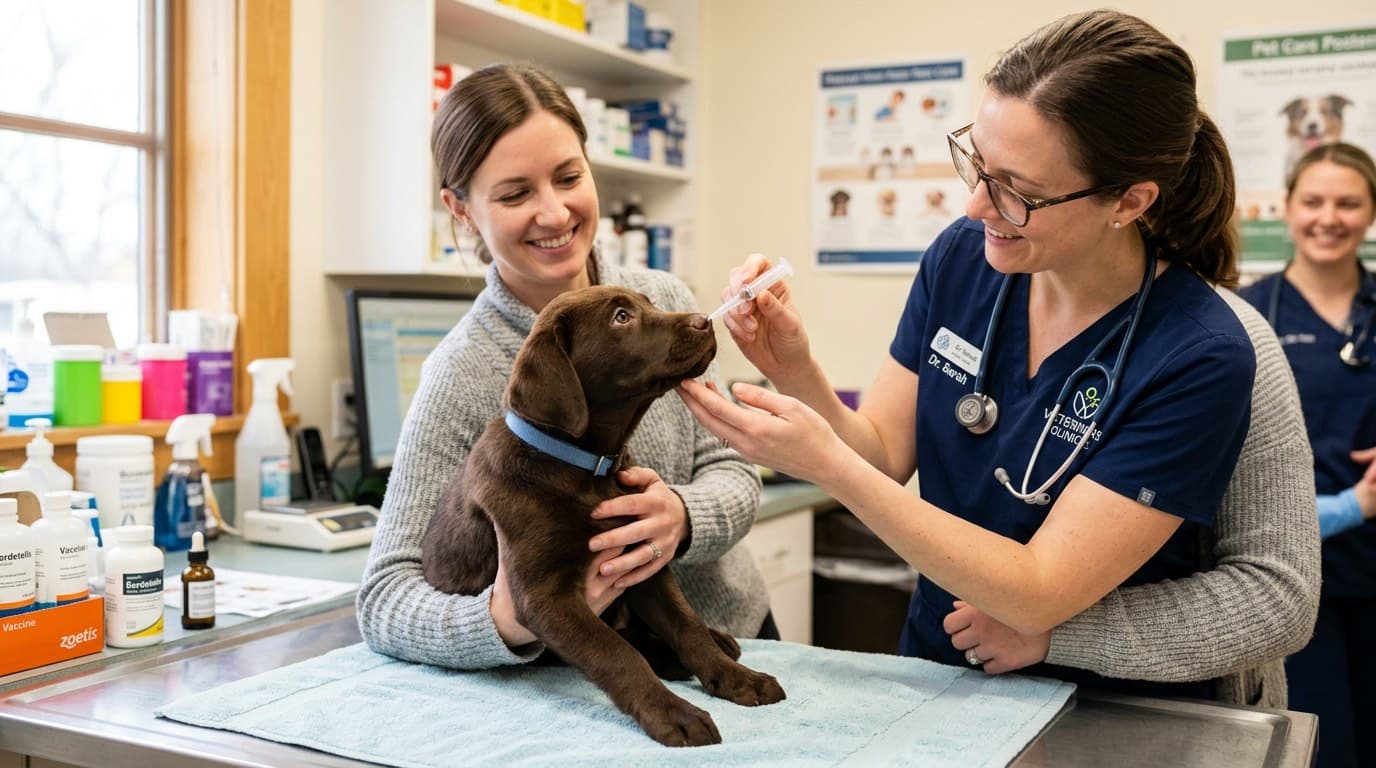
- Intranasal — provides rapid local immunity (mucosal IgA) within 48–72 hours; ideal for last-minute boarding needs
- Oral — similar mucosal immune response, may be easier to administer in some dogs
- Injectable — provides systemic immunity (IgG); takes 2 weeks for protection; may cause local injection site reactions
All forms require annual boosting. Some boarding facilities require vaccination within the preceding 6 months.
Canine Influenza Vaccine
The bivalent canine influenza vaccine (H3N2/H3N8) is recommended for dogs at risk of exposure, particularly in regions where outbreaks have occurred. It is a two-dose primary series followed by annual boosters. The vaccine does not prevent infection but significantly reduces the severity and duration of illness and viral shedding.
Quarantine & Outbreak Prevention
Effective quarantine and infection control are essential for managing CIRD outbreaks and preventing spread, particularly in multi-dog environments.
Isolation Period
Dogs with active CIRD should be isolated from other dogs for a minimum of 14 days after the onset of clinical signs. Some pathogens (particularly Bordetella) can be shed for up to 3 months after recovery, though peak contagiousness occurs during the acute illness phase. Dogs recovering from confirmed canine influenza should be isolated for 28 days due to prolonged viral shedding.
During isolation, affected dogs should:
- Be housed separately from healthy dogs
- Have dedicated food bowls, water bowls, and bedding
- Be handled by designated caregivers who practice hand hygiene and clothing changes between contacts
- Be walked in separate areas from healthy dogs
Environmental Disinfection
Most CIRD pathogens are susceptible to common disinfectants. Bordetella and respiratory viruses are readily killed by quaternary ammonium compounds, accelerated hydrogen peroxide, and dilute bleach solutions (1:32 dilution). Thorough cleaning and disinfection of kennels, food bowls, water bowls, and shared surfaces is critical during and after an outbreak.
Facility Management
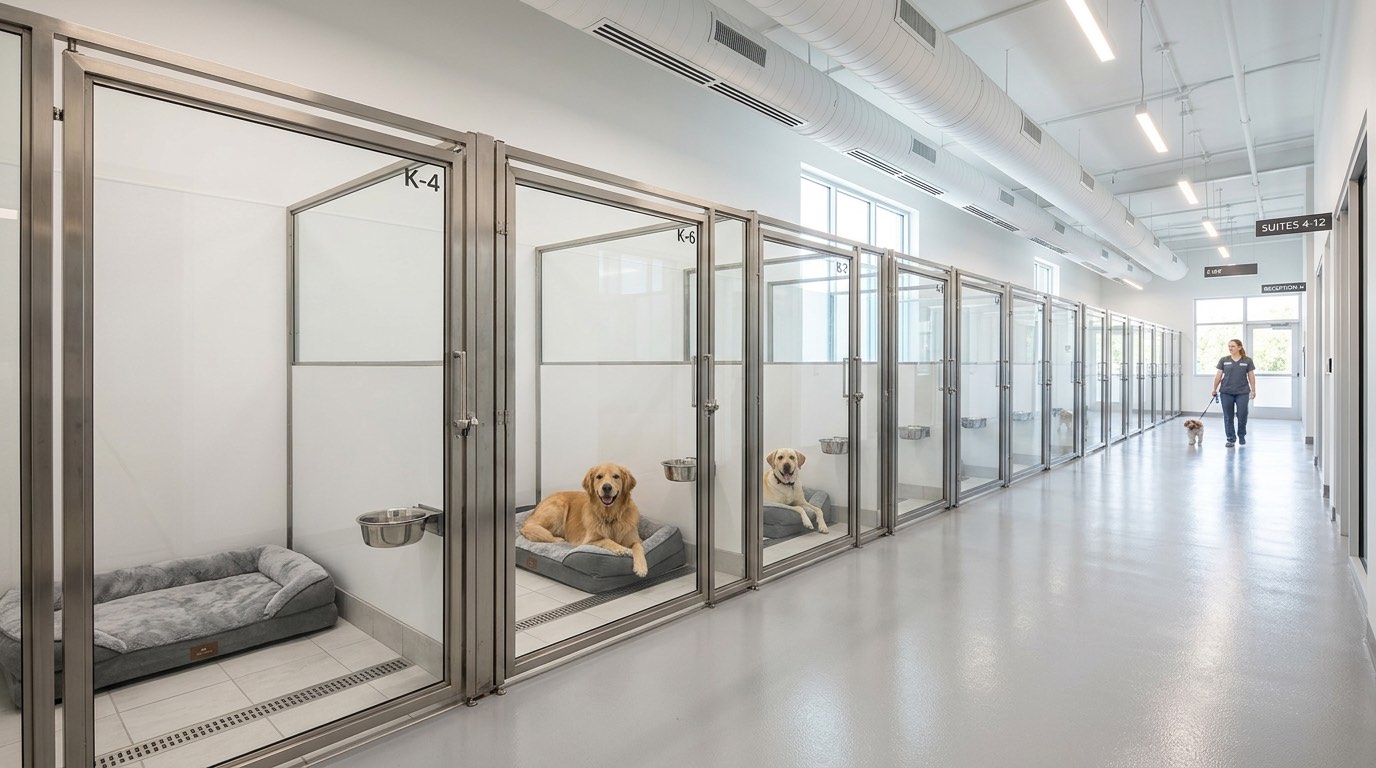
Boarding facilities and shelters should implement the following measures:
- Require proof of current vaccination (Bordetella, DHPP, and ideally canine influenza) for admission
- Maintain adequate ventilation with a minimum of 10–15 air changes per hour
- Avoid shared water sources and communal play areas during outbreak periods
- Implement surveillance for coughing and isolate symptomatic dogs immediately
- Maintain a quarantine area physically separated from the general population
For pet owners, the most important preventive measure is ensuring current vaccination before any social dog activity and avoiding exposure to dogs with active respiratory symptoms.
Frequently Asked Questions
Can my dog get kennel cough even if vaccinated?
Yes. Because CIRD involves multiple pathogens, vaccines reduce the risk and severity but do not guarantee complete protection. Vaccinated dogs that do contract kennel cough typically have milder, shorter-duration illness compared to unvaccinated dogs.
How long is kennel cough contagious?
Dogs are most contagious during the acute illness phase (first 7–14 days). However, some pathogens like Bordetella can be shed for up to 3 months after recovery. A minimum 14-day isolation from other dogs is recommended after symptoms begin.
Can humans catch kennel cough from dogs?
Bordetella bronchiseptica can very rarely cause respiratory illness in severely immunocompromised humans, but transmission to healthy people is extremely uncommon. Standard hygiene practices (hand washing after handling sick dogs) provide adequate protection.
Should I take my coughing dog to the vet or wait it out?
If your dog is an otherwise healthy adult with only a dry cough and remains active and eating normally, monitoring at home for a few days is reasonable. However, seek veterinary care promptly if your dog develops lethargy, appetite loss, fever, thick nasal discharge, or labored breathing, or if your dog is a puppy, elderly, or has underlying health conditions.
Is kennel cough the same as canine influenza?
No. Canine influenza is one specific viral pathogen that can be part of the CIRD complex, but kennel cough is a broader term encompassing multiple pathogens. Canine influenza tends to cause more severe illness with higher fevers and has specific diagnostic and quarantine considerations separate from other CIRD agents.
References
- Reagan KL, Sykes JE. Canine Infectious Respiratory Disease. Veterinary Clinics of North America: Small Animal Practice. 2020;50(2):405-418.
- Ford RB. Canine infectious respiratory disease. In: Greene CE, ed. Infectious Diseases of the Dog and Cat. 4th ed. Elsevier; 2012:55-65.
- Buonavoglia C, Martella V. Canine respiratory viruses. Veterinary Research. 2007;38(2):355-373.