
Quick Answer
A comprehensive veterinary guide to heartworm disease (Dirofilaria immitis), covering how heartworms are transmitted, why year-round prevention is critical, what treatment involves for infected dogs, and how heartworm disease differs between dogs and cats.
Key Takeaways
- ✓Heartworm disease is transmitted by mosquitoes and can be fatal in both dogs and cats if left untreated
- ✓Year-round monthly prevention is far safer, easier, and less expensive than treating an established heartworm infection
- ✓Dogs require annual heartworm antigen testing even when on consistent monthly prevention
- ✓Cats are atypical hosts with no approved adulticidal treatment — prevention is the only reliable protection
- ✓Exercise restriction during heartworm treatment in dogs is critical to prevent life-threatening pulmonary thromboembolism
What Is Heartworm Disease?
Heartworm disease is a serious, potentially fatal condition caused by the parasitic roundworm Dirofilaria immitis. Adult heartworms live in the pulmonary arteries and, in severe infestations, the right side of the heart, where they cause progressive damage to the lungs, heart, and associated blood vessels. The disease is transmitted exclusively through the bite of an infected mosquito — there is no direct dog-to-dog or cat-to-cat transmission.
Heartworm disease has been documented in all 50 U.S. states and in many countries worldwide. The American Heartworm Society reports that infection rates continue to rise, driven by factors including wildlife reservoirs (coyotes, foxes), mosquito range expansion due to climate change, and gaps in preventive compliance among pet owners. The disease is far easier and safer to prevent than to treat, making year-round prevention one of the most important things any pet owner can do.
While dogs are the natural definitive host for Dirofilaria immitis — meaning heartworms can complete their full lifecycle and reproduce inside a dog — cats are considered atypical hosts. Cats still develop serious disease, but the presentation, diagnosis, and available treatments differ substantially from those in dogs.
The Heartworm Lifecycle
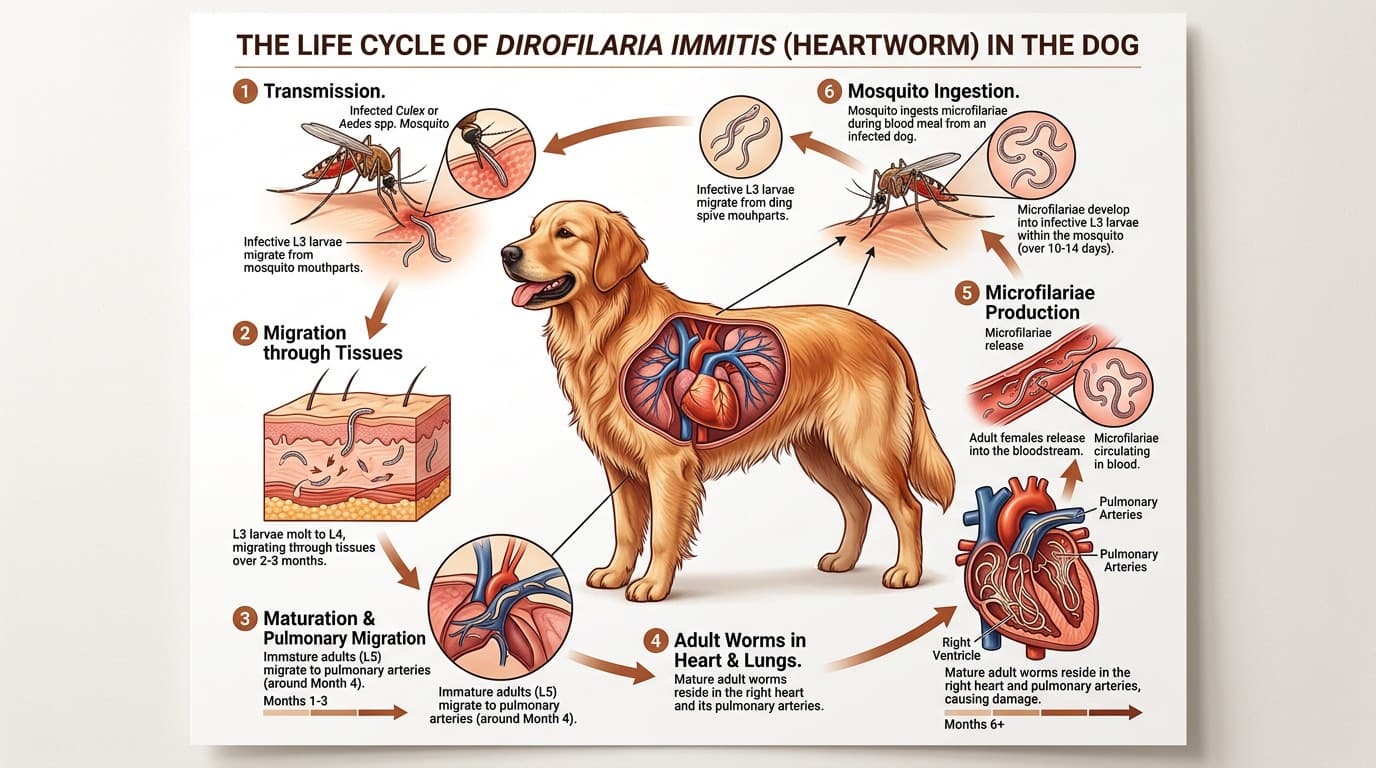
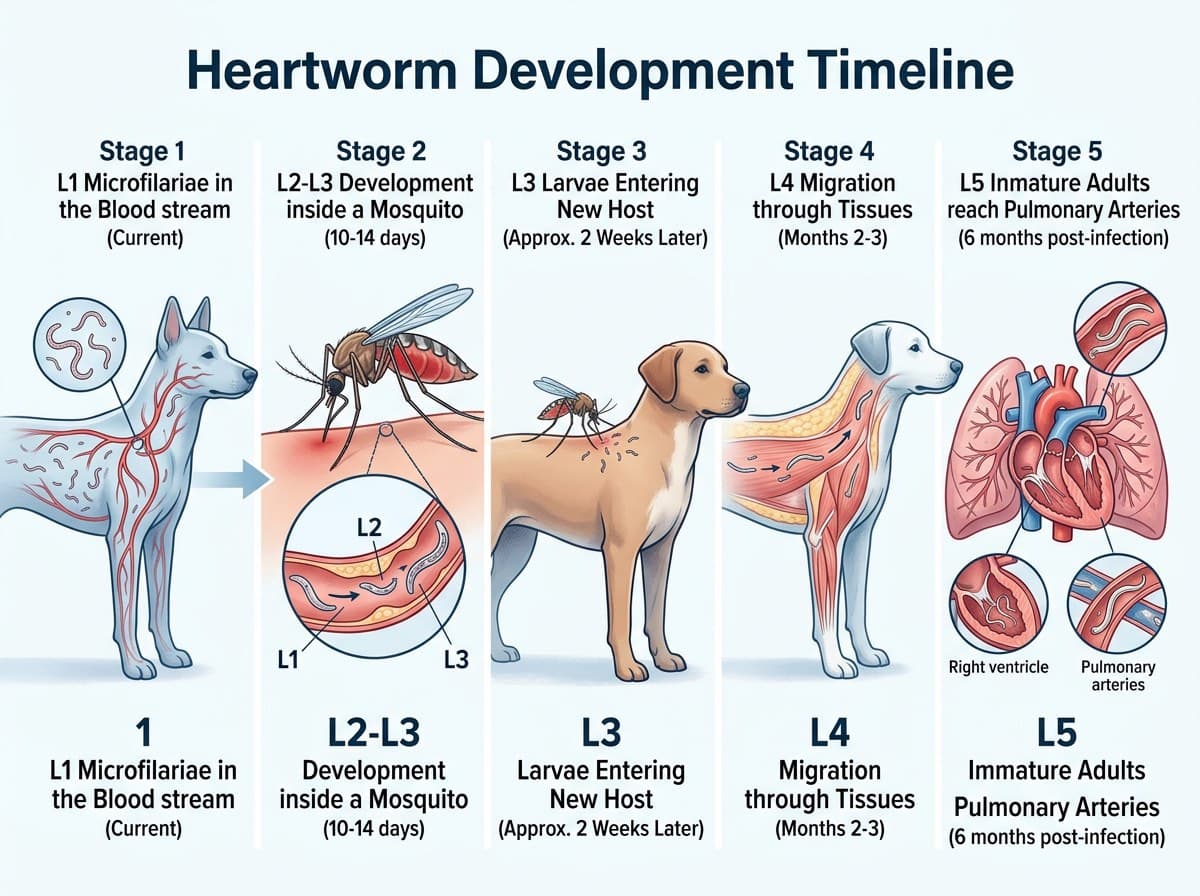
Understanding the heartworm lifecycle is essential for appreciating why timing of prevention matters so much. The cycle begins when a mosquito takes a blood meal from an infected animal (typically a dog, coyote, or fox) and ingests microscopic larvae called microfilariae (L1 stage) circulating in the bloodstream. Inside the mosquito, these larvae develop through two molts over approximately 10 to 14 days — depending on environmental temperature — reaching the infective L3 stage.
When the mosquito bites another animal, L3 larvae are deposited on the skin and enter through the bite wound. Over the next several months, the larvae migrate through the subcutaneous tissue and muscles, molting to L4 and then to immature adult (L5) stages. Approximately 50 to 70 days after infection, the immature adults enter the bloodstream and travel to the pulmonary arteries. By roughly six months post-infection, the worms have matured into adults capable of reproducing, and female worms begin releasing microfilariae into the host's blood, completing the cycle.
Adult heartworms can grow 10 to 14 inches in length and may live five to seven years in dogs. A single dog can harbor dozens to over 200 worms in severe cases. The physical presence of these worms causes inflammation of the arterial lining (endarteritis), pulmonary hypertension, and progressive right-sided heart failure. This is why early detection through annual testing and consistent prevention are so critical — by the time clinical signs appear, significant damage has often already occurred.
Prevention Protocols
Heartworm prevention is one of the most reliable and cost-effective interventions in veterinary medicine. All major veterinary organizations — including the American Heartworm Society, the American Veterinary Medical Association, and the Companion Animal Parasite Council — recommend year-round heartworm prevention for all dogs and cats, regardless of geographic location or perceived mosquito exposure. Monthly preventives work by killing the L3 and early L4 larval stages that were deposited by mosquitoes during the preceding 30 days, effectively clearing the infection before larvae can mature and reach the heart.
The most commonly used preventives include oral tablets (ivermectin/pyrantel combinations such as Heartgard Plus, milbemycin oxime in Interceptor Plus), topical solutions (selamectin in Revolution, moxidectin in Advantage Multi), and injectable options (moxidectin sustained-release microspheres, marketed as ProHeart 6 or ProHeart 12, which provide six or twelve months of protection respectively from a single veterinary injection). Each product has specific advantages: oral chewables are palatable and easy to administer monthly, topicals may also address fleas and ear mites, and injectables eliminate the risk of missed doses entirely.
Before starting any heartworm preventive in a dog over seven months of age, a heartworm antigen test must be performed. Administering a preventive to a dog with an existing adult heartworm infection does not treat the infection and, in rare cases, can cause a serious reaction if circulating microfilariae are killed rapidly. Annual retesting is recommended even for dogs on consistent prevention, both to verify the preventive is working and to detect infections that may have occurred due to a missed or late dose. For cats, testing is also recommended prior to starting prevention, though feline heartworm testing is more complex and less sensitive than canine testing.

Treatment of Heartworm Disease in Dogs
Treating an established heartworm infection in dogs is a lengthy, expensive, and medically involved process that carries inherent risk — which is precisely why prevention is so strongly emphasized. The current standard of care, as recommended by the American Heartworm Society, follows a multimodal protocol involving several stages over several months. Treatment typically begins with a 30-day course of doxycycline, an antibiotic that targets Wolbachia, an endosymbiotic bacterium that lives inside heartworms and contributes to the inflammatory response when worms die. Eliminating Wolbachia weakens the worms, reduces the severity of post-treatment inflammation, and improves outcomes.
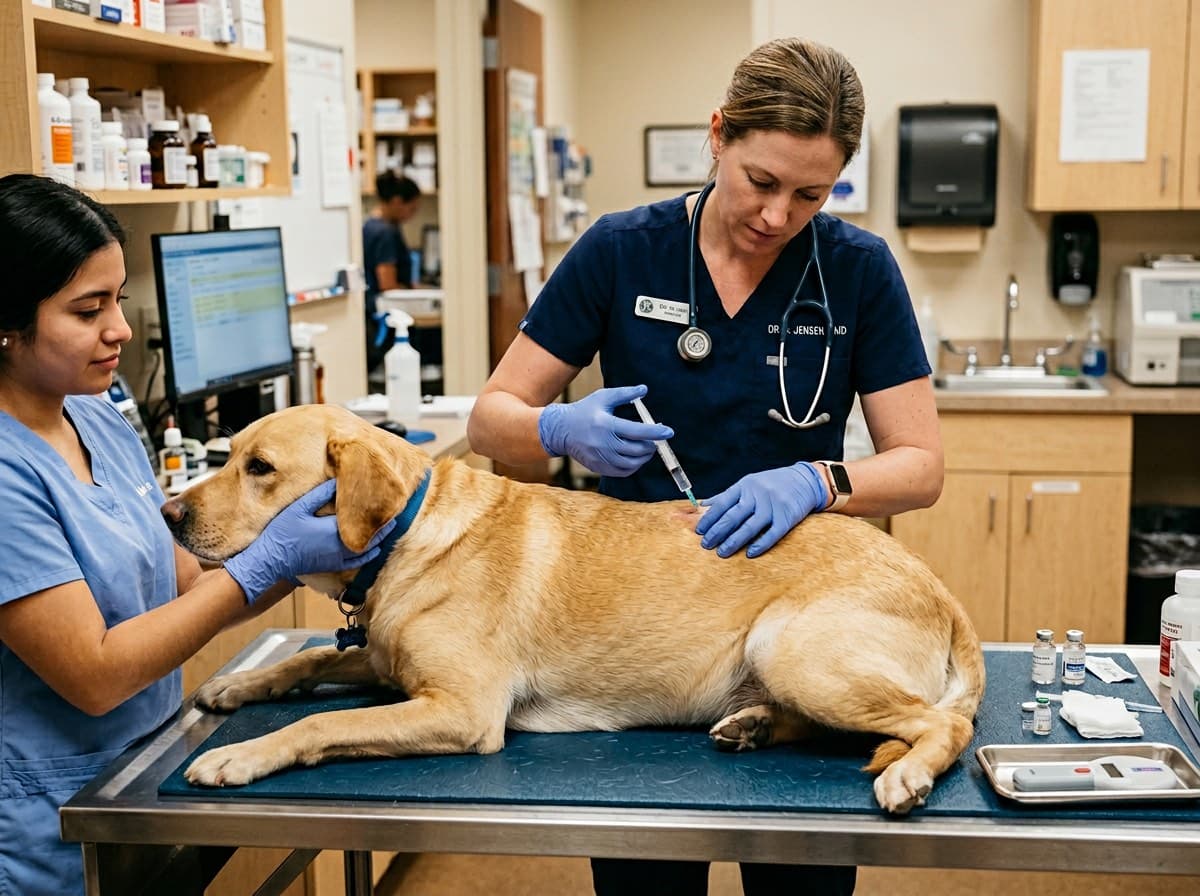
The cornerstone of adulticidal treatment is melarsomine dihydrochloride (Immiticide), an arsenic-based compound administered by deep intramuscular injection into the lumbar (epaxial) muscles. The standard protocol involves an initial injection followed by a one-month rest period, then two additional injections 24 hours apart — a schedule known as the "three-injection protocol." This staggered approach kills worms gradually, reducing the risk of massive pulmonary thromboembolism that can occur when large numbers of dead worms obstruct the pulmonary vasculature simultaneously. Exercise restriction is absolutely critical during and after treatment, typically for six to eight weeks following the final injection, because increased cardiac output accelerates worm fragmentation and increases the risk of fatal embolism.
Following adulticidal therapy, microfilariae must also be cleared. This is typically accomplished with a macrocyclic lactone (e.g., ivermectin or milbemycin) administered under veterinary supervision. Post-treatment antigen testing is performed approximately six to twelve months after completion to confirm clearance. Dogs that test negative are transitioned to lifelong monthly prevention. It is important for owners to understand that treatment does not reverse existing damage to the pulmonary arteries — it stops the disease from progressing, but some dogs may retain residual exercise intolerance or coughing depending on the severity of disease at the time of diagnosis.
Heartworm Disease in Cats
Cats are atypical hosts for Dirofilaria immitis, which means the heartworm lifecycle is less efficient in felines — but this does not mean cats are safe from the disease. In cats, most larvae do not survive to adulthood, and those that do typically result in very low worm burdens (often just one to three adult worms). However, because cats have much smaller pulmonary vasculature than dogs, even a single worm can cause severe and potentially fatal disease. The condition in cats is often referred to as Heartworm-Associated Respiratory Disease (HARD).
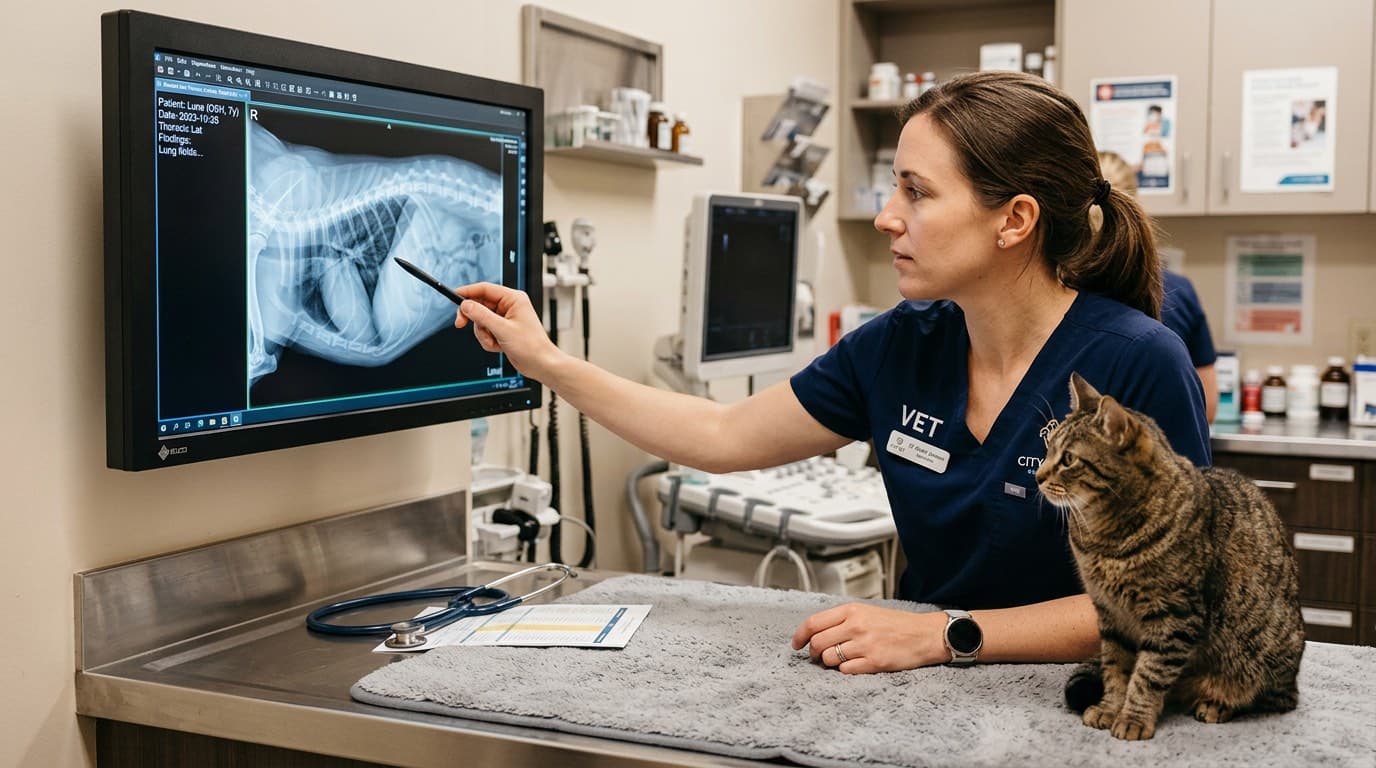
HARD occurs because the arrival of immature worms in the pulmonary arteries triggers an intense inflammatory response in the lungs, even if the worms ultimately die before reaching maturity. Clinical signs in cats can include coughing, wheezing, difficulty breathing, vomiting, lethargy, and sudden death. These signs frequently mimic feline asthma or other respiratory conditions, making diagnosis challenging. There is no approved adulticidal treatment (melarsomine) for cats — the drug is considered too toxic for feline patients. Management is therefore limited to supportive care, corticosteroids to reduce pulmonary inflammation, and monitoring. In rare cases, surgical extraction of worms may be attempted.
Because treatment options are so limited for cats, prevention is even more critical than in dogs. Monthly preventives labeled for cats — including selamectin (Revolution) and milbemycin oxime/praziquantel (Milbemax) — are safe, effective, and widely available. The American Heartworm Society recommends year-round prevention for all cats, including indoor-only cats, because mosquitoes readily enter homes and even a single bite from an infected mosquito can result in disease. Indoor cats account for a meaningful percentage of feline heartworm cases.
What You Can Do at Home
The single most important thing any pet owner can do to protect against heartworm disease is to administer a veterinary-approved heartworm preventive consistently, every month, year-round — even in winter months and in regions where mosquito activity appears seasonal. Gaps in prevention are the most common reason dogs become infected; a single missed or late dose can leave your pet vulnerable during that window. Set a recurring reminder on your phone or calendar for the same day each month, and keep your preventive supply stocked so you never run out.
Reducing mosquito exposure also helps lower risk. Eliminate standing water around your home — flower pot saucers, clogged gutters, bird baths, and old tires are all common mosquito breeding sites. Avoid outdoor activity with your dog during peak mosquito hours (dawn and dusk) in high-prevalence areas, and consider using pet-safe mosquito repellent products as recommended by your veterinarian. For cats, keeping them indoors reduces exposure but does not eliminate it, since mosquitoes enter homes through doors, windows, and even small gaps.
Schedule an annual veterinary wellness exam that includes a heartworm antigen test for dogs. Even dogs on consistent monthly prevention should be tested annually, as no preventive is 100% effective and compliance lapses are common. If your dog tests positive, early detection dramatically improves prognosis and reduces the cost and risk of treatment. For cats, discuss testing and prevention with your veterinarian — feline testing is more complex but may be recommended depending on your region and your cat's lifestyle. Above all, never give a heartworm preventive to a pet that has not been tested, and never use a product formulated for dogs on a cat without explicit veterinary guidance — some canine products are toxic to cats.

Frequently Asked Questions
How do dogs and cats get heartworm disease?
Heartworm disease is transmitted exclusively through the bite of an infected mosquito. When a mosquito feeds on an infected animal, it picks up microscopic heartworm larvae (microfilariae). These larvae develop inside the mosquito and are deposited into a new host during a subsequent bite. There is no direct animal-to-animal transmission.
Can heartworm disease be cured in dogs?
Yes, heartworm disease can be treated in dogs using a multi-step protocol that includes doxycycline, melarsomine injections, and strict exercise restriction. Treatment is effective in most cases when administered properly, but it is expensive, takes several months, and carries some medical risk. Existing damage to the pulmonary arteries may not fully reverse, so prevention is always preferable to treatment.
Do indoor cats need heartworm prevention?
Yes. The American Heartworm Society recommends year-round heartworm prevention for all cats, including those that live exclusively indoors. Mosquitoes readily enter homes through doors, windows, and small openings. Indoor cats account for a significant portion of feline heartworm cases, and because there is no approved treatment for heartworm in cats, prevention is the only reliable safeguard.
Why is exercise restriction so important during heartworm treatment?
When adult heartworms die during treatment, their bodies fragment and are carried deeper into the pulmonary vasculature. Increased physical activity raises cardiac output and blood flow, accelerating this process and increasing the risk of pulmonary thromboembolism — a potentially fatal blockage of blood vessels in the lungs. Strict rest for six to eight weeks after treatment allows the body to gradually absorb worm fragments safely.
What happens if I miss a monthly heartworm prevention dose?
Missing a single dose creates a window of vulnerability during which infective larvae deposited by mosquitoes can survive and continue developing beyond the stage that preventives can kill. If you miss a dose, give the next dose as soon as possible and contact your veterinarian. They will likely recommend retesting for heartworm six months later, since antigen tests do not detect infections until worms have matured to adulthood.
References
- American Heartworm Society. "Current Canine Guidelines for the Prevention, Diagnosis, and Management of Heartworm (Dirofilaria immitis) Infection in Dogs." americanheartwormSociety.org, 2024.
- American Heartworm Society. "Current Feline Guidelines for the Prevention, Diagnosis, and Management of Heartworm (Dirofilaria immitis) Infection in Cats." americanheartwormSociety.org, 2024.
- Nelson, C.T., McCall, J.W., Jones, S., Moorhead, A. "Current Canine Guidelines for the Prevention, Diagnosis, and Management of Heartworm Infection in Dogs." Veterinary Parasitology, 2020.
- Companion Animal Parasite Council. "CAPC Heartworm Recommendations." capcvet.org, 2024.