Quick Answer
A comprehensive guide to flea biology, flea allergy dermatitis, year-round prevention products, and environmental control strategies that protect your dog or cat from one of the most common external parasites in veterinary medicine.
Key Takeaways
- ✓Adult fleas represent only about 5% of the total population — eggs, larvae, and pupae in the environment make up the rest, which is why treating the home is as important as treating the pet
- ✓Flea allergy dermatitis is triggered by flea saliva and even a single bite can cause severe itching, hair loss, and secondary infections in sensitized animals
- ✓Year-round prevention with veterinary-recommended products is essential because fleas can survive indoors in heated homes during winter months
- ✓Never apply dog-specific permethrin flea products to cats — these products are acutely toxic to felines and can cause seizures and death
- ✓Frequent vacuuming and washing pet bedding in hot water are among the most effective environmental control measures during an active infestation
Why Fleas Remain a Top Concern
Fleas are among the most common external parasites affecting companion animals worldwide, and the cat flea (*Ctenocephalides felis*) is responsible for the vast majority of infestations on both dogs and cats. Despite decades of effective preventative products, flea-related problems remain one of the leading reasons for veterinary dermatology visits. A single flea can bite a host hundreds of times per day, and a female flea begins laying eggs within 24 to 48 hours of her first blood meal, producing up to 50 eggs daily.
Beyond causing intense itching and discomfort, fleas transmit tapeworms (*Dipylidium caninum*), the bacterial pathogen *Bartonella* (the agent of cat scratch disease), and can cause life-threatening anemia in very young, elderly, or debilitated animals. In sensitized pets, even a single flea bite can trigger flea allergy dermatitis, one of the most common allergic skin conditions diagnosed in veterinary practice. Effective flea management requires an understanding of the parasite's lifecycle, consistent use of veterinary-recommended preventatives, and attention to the environment where pets live.
The Flea Lifecycle: Why It Matters
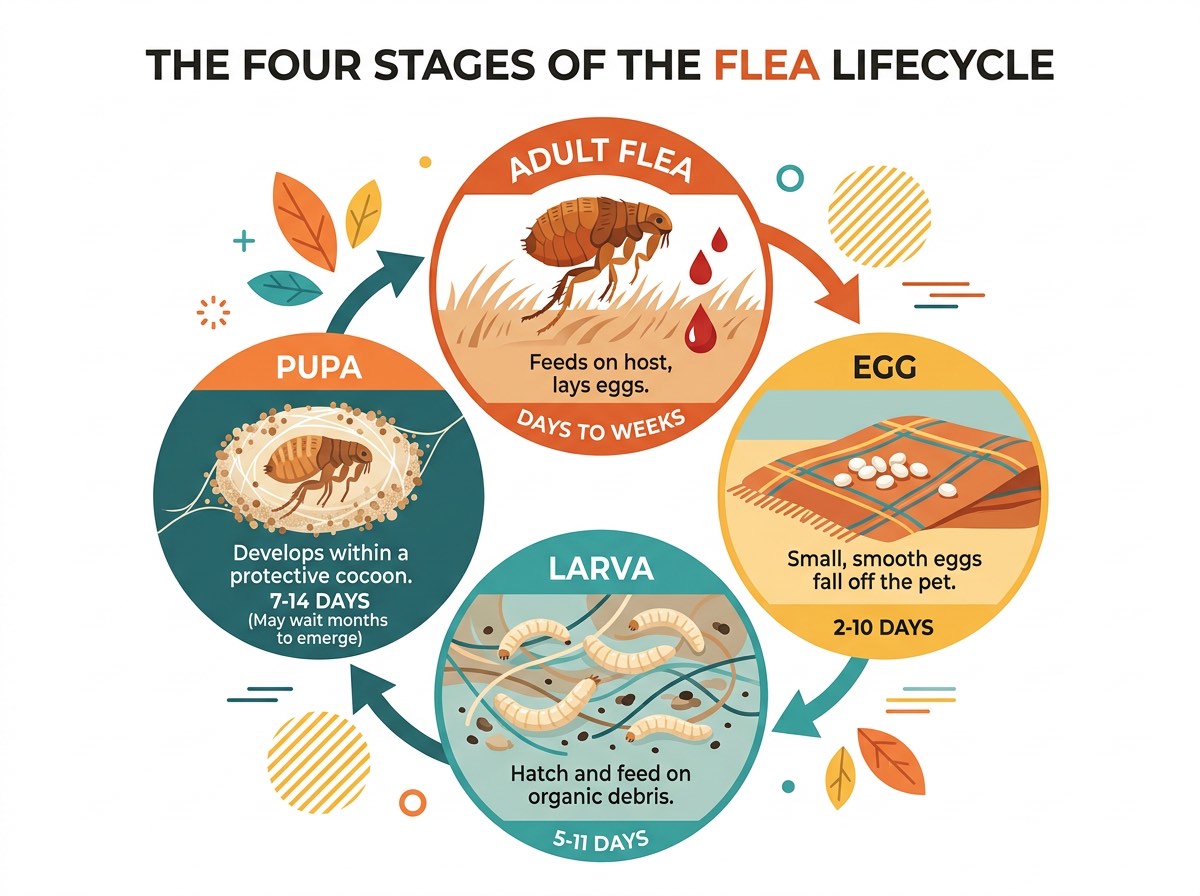
Understanding the flea lifecycle is essential for effective control because adult fleas — the stage most owners notice — represent only about five percent of the total flea population at any given time. The remaining 95 percent exists as eggs, larvae, and pupae in the environment, primarily in carpets, bedding, upholstered furniture, and outdoor soil. Missing these immature stages is the single most common reason flea treatments appear to fail.
Eggs are laid on the host but fall off within hours into the surrounding environment. They are smooth, white, and nearly microscopic, making them virtually impossible to see on furniture or flooring. Larvae hatch within one to ten days and feed on organic debris and adult flea feces (flea dirt) found deep in carpet fibers and crevices. Larvae are photophobic and actively move away from light, burrowing into dark, protected areas. After two to three larval molts, they spin a sticky silk cocoon (pupa) that is highly resistant to insecticides, vacuuming, and environmental extremes.
The pupal stage is the most resilient phase of the lifecycle. Pupae can remain dormant for weeks to months, emerging only in response to stimuli such as vibration, warmth, and carbon dioxide — signals that indicate a potential host is nearby. This is why empty homes or vacation properties can suddenly seem to "explode" with fleas when a person or animal re-enters the space. A complete lifecycle, from egg to reproducing adult, can be as short as two weeks under ideal warm, humid conditions, or stretch to several months in cooler environments.
Flea Allergy Dermatitis (FAD)
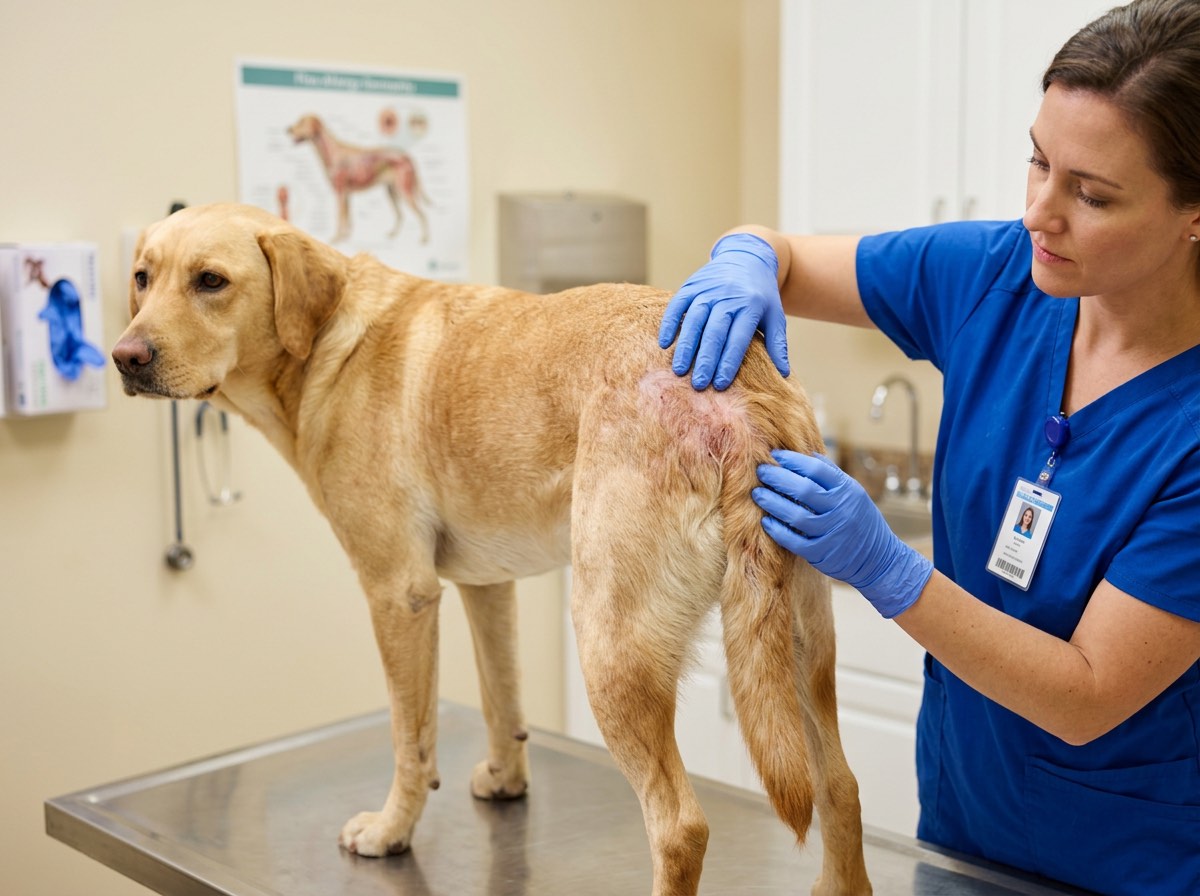
Flea allergy dermatitis is a hypersensitivity reaction to proteins in flea saliva and is the most common dermatologic disease in dogs and cats in many regions. It is not the number of flea bites that determines severity — a single bite from a single flea can provoke a dramatic inflammatory response in a sensitized animal. Affected dogs typically develop intense itching concentrated on the lower back, tail base, inner thighs, and abdomen, often accompanied by hair loss, reddened skin, and secondary bacterial or yeast infections from chronic scratching and chewing.
In cats, flea allergy dermatitis may present differently, often manifesting as miliary dermatitis — small, crusty papules scattered across the body, particularly along the dorsal neck and back. Cats may also develop symmetric alopecia from excessive grooming, eosinophilic granuloma complex lesions, or intensely pruritic plaques on the abdomen and inner thighs. Because cats are fastidious groomers, they may remove fleas so efficiently that owners never see a single parasite, leading to the mistaken belief that fleas are not the cause.
Diagnosis is based on clinical signs, the distribution pattern of lesions, and evidence of flea exposure such as flea dirt or a positive response to strict flea control. Intradermal allergy testing can confirm flea hypersensitivity. Treatment involves aggressive flea elimination using fast-acting adulticides, anti-inflammatory therapy (corticosteroids, oclacitinib, or lokivetmab) to break the itch cycle, and treatment of any secondary skin infections with appropriate antimicrobials. Long-term management centers on rigorous, uninterrupted flea prevention — there is no desensitization protocol that reliably resolves flea allergy.
Year-Round Prevention: Products and Strategies
Modern flea preventatives are safer and more effective than ever, but consistent year-round use is essential — even in regions with cold winters, because fleas can survive indoors in heated homes throughout the year. The most widely recommended product classes include isoxazolines (oral tablets such as fluralaner, afoxolaner, sarolaner, and lotilaner), which kill fleas rapidly after a blood meal and provide month-long or even three-month protection. Topical spot-on products containing fipronil, selamectin, or imidacloprid remain effective alternatives, particularly for pets that resist oral medications.
It is critically important to use only species-appropriate products. Certain permethrin-based topical flea treatments labeled for dogs are acutely toxic to cats and can cause severe tremors, seizures, and death if applied to a feline or if a cat contacts a recently treated dog. Always read labels carefully and consult your veterinarian before starting or switching flea prevention. For multi-pet households, all animals must be treated simultaneously — leaving one pet unprotected creates a reservoir that re-infests the entire home.
In addition to adulticides, some products incorporate insect growth regulators (IGRs) such as lufenuron, methoprene, or pyriproxyfen that interrupt the development of flea eggs and larvae in the environment. Combining an adulticide with an IGR provides a more comprehensive approach, attacking both the adult population on the pet and the immature stages in the surroundings. Your veterinarian can help design a prevention protocol tailored to your pet's species, weight, health status, and lifestyle, including any risk of co-exposure to ticks, heartworm, or intestinal parasites.

Environmental Flea Control
Because 95 percent of the flea population exists off the pet as eggs, larvae, and pupae in the environment, treating the pet alone without addressing the surroundings is insufficient for eliminating an active infestation. Thorough and repeated vacuuming is one of the most effective environmental control measures available. Vacuuming physically removes eggs, larvae, and flea dirt from carpets, cracks, and upholstery, and the vibration from the vacuum stimulates pupae to emerge from their cocoons, making them vulnerable to insecticides and subsequent vacuuming.
Wash all pet bedding, blankets, and removable fabric covers in hot water (at least 60 degrees Celsius or 140 degrees Fahrenheit) weekly during an active infestation. For severe household infestations, environmental insecticide sprays containing an adulticide combined with an IGR can be applied to carpeted areas, furniture, and baseboards. Professional pest control services may be warranted for heavy or persistent infestations, particularly in homes with extensive carpeting or multiple pets. Always ensure any environmental product used is labeled as safe for use around pets and follow re-entry instructions carefully.
Outdoor environments can harbor flea populations as well, especially in shaded, humid areas where wildlife or feral cats rest. Keeping grass mowed short, removing leaf litter and debris, and discouraging wildlife from nesting near the home reduces outdoor flea habitat. Cedar chip mulch in pet rest areas may provide a mild repellent effect. Combining consistent on-pet prevention with thorough environmental management is the most reliable strategy for breaking the flea lifecycle and preventing re-infestation.

What You Can Do at Home
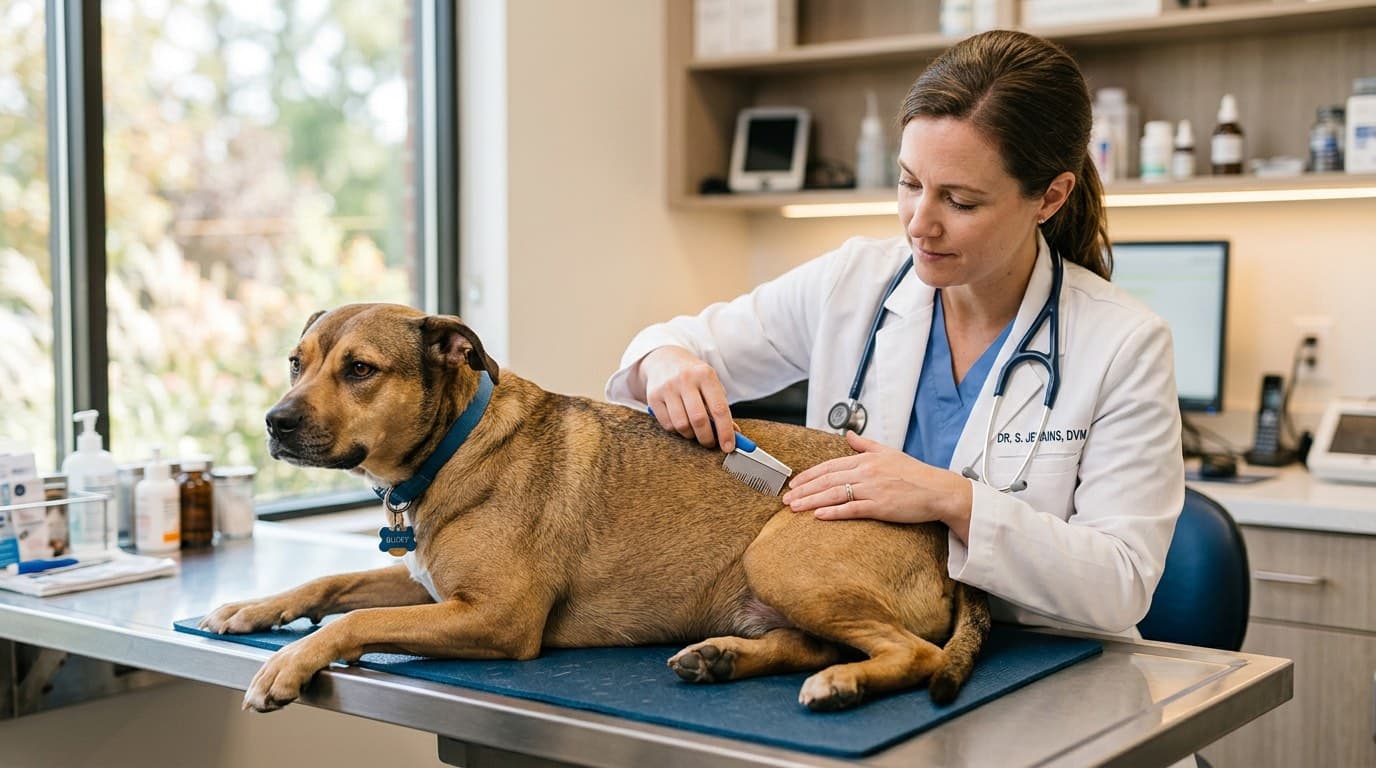
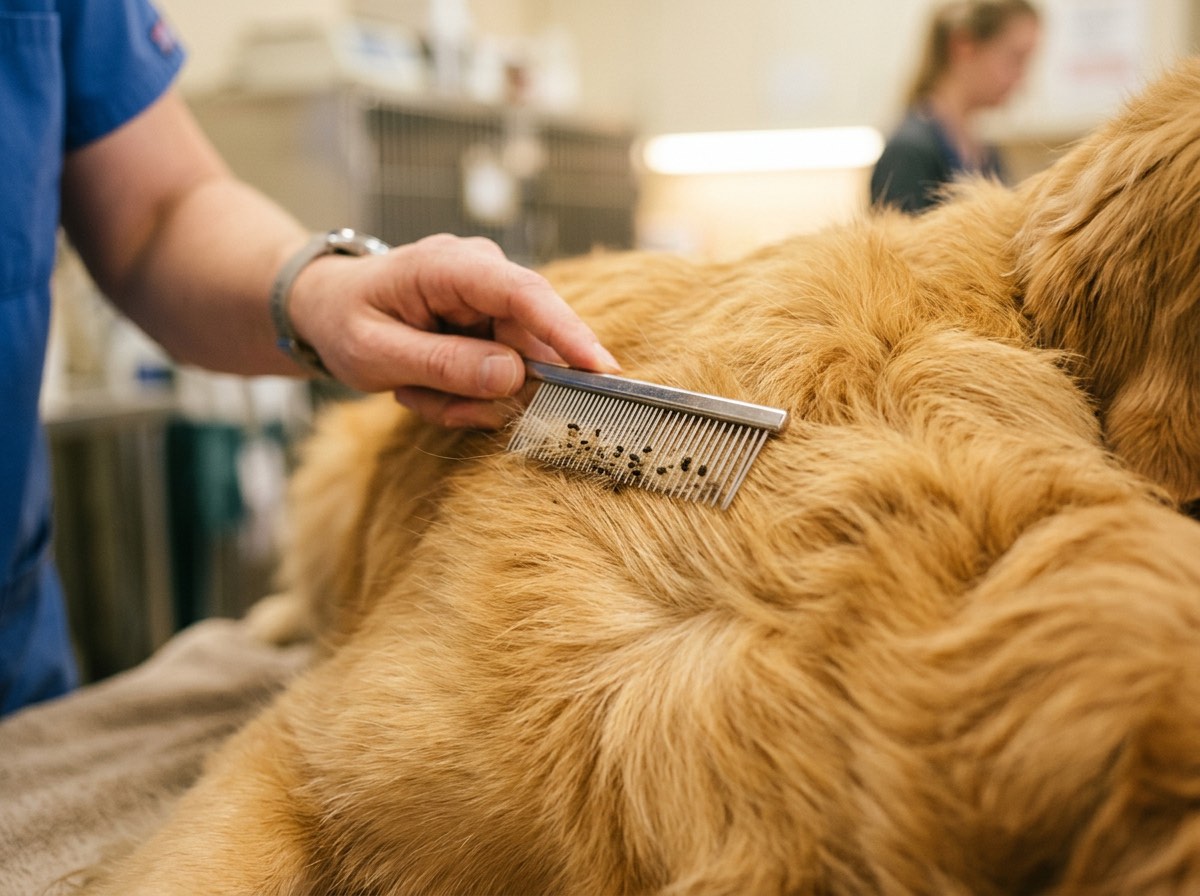
Effective flea management is a partnership between your veterinarian and your daily household routine. Start by performing a simple flea check at least once a week: use a fine-toothed flea comb through your pet's coat, focusing on the base of the tail, the belly, and behind the ears, then tap the comb onto a damp white paper towel. If small dark specks dissolve into reddish-brown streaks, that is flea dirt — digested blood — confirming flea activity even if you never see a live flea.
Maintain a consistent preventative schedule and never skip months, even during winter. Set a recurring reminder on your phone for oral or topical applications. If you have multiple pets, treat all of them on the same day to prevent cross-infestation. Keep a written or digital log of each treatment date, product used, and any reactions observed — this information is invaluable for your veterinarian.
Create an environment that is hostile to fleas by washing pet bedding weekly in hot water, vacuuming all carpeted areas and upholstered furniture at least twice per week, and immediately disposing of the vacuum bag or emptying the canister into a sealed outdoor bin. Pay special attention to areas under furniture, along baseboards, and in closets where larvae tend to accumulate. If your pet shows signs of excessive scratching, hair loss, or skin irritation despite being on prevention, schedule a veterinary appointment promptly — secondary infections from flea allergy dermatitis can escalate quickly without treatment.

Frequently Asked Questions
How can I tell if my pet has fleas if I never see any on them?
Many pets, especially cats, groom so efficiently that they remove fleas before you notice them. The best method is to use a fine-toothed flea comb and tap the collected debris onto a damp white paper towel. If dark specks dissolve into reddish-brown streaks, that is flea feces (digested blood), confirming flea activity even in the absence of visible adult fleas.
Why do I need to give flea prevention year-round even in cold climates?
Fleas can survive indoors in heated homes regardless of outside temperatures. Flea pupae can remain dormant in carpets and crevices for months, emerging when they detect warmth and vibration. Skipping even one or two winter months can allow a dormant population to re-establish, leading to a full-blown infestation by spring.
Can I use my dog's flea treatment on my cat?
Never apply a dog flea product to a cat without verifying it is specifically labeled as safe for cats. Many canine flea treatments contain permethrin, which is highly toxic to cats and can cause severe neurological symptoms including tremors, seizures, and potentially death. Always use species-specific products and consult your veterinarian if you are unsure.
What is flea allergy dermatitis and how is it treated?
Flea allergy dermatitis (FAD) is a hypersensitivity reaction to proteins in flea saliva. Even a single flea bite can cause intense itching, hair loss, and skin inflammation in allergic animals. Treatment involves eliminating fleas with fast-acting preventatives, controlling inflammation with medications prescribed by your veterinarian, treating secondary skin infections, and maintaining strict year-round flea prevention to avoid future flare-ups.
How long does it take to fully eliminate a flea infestation from my home?
A complete resolution typically takes three to four months because flea pupae in the environment are highly resistant to insecticides and can remain dormant for extended periods. Consistent on-pet prevention kills new adults as they emerge and prevents egg production, while regular vacuuming and laundering reduce environmental stages. Patience and persistence with a combined approach are essential for breaking the lifecycle.
References
- Dryden, M.W. "Flea and Tick Control in the 21st Century: Challenges and Opportunities." Veterinary Dermatology, 2009.
- Companion Animal Parasite Council (CAPC). "CAPC Recommendations: Fleas." capcvet.org, 2024.
- Merck Veterinary Manual. "Flea Allergy Dermatitis in Dogs and Cats." merckvetmanual.com, 2024.
- Rust, M.K. "The Biology and Ecology of Cat Fleas and Advancements in Their Pest Management." Insects, 2017.