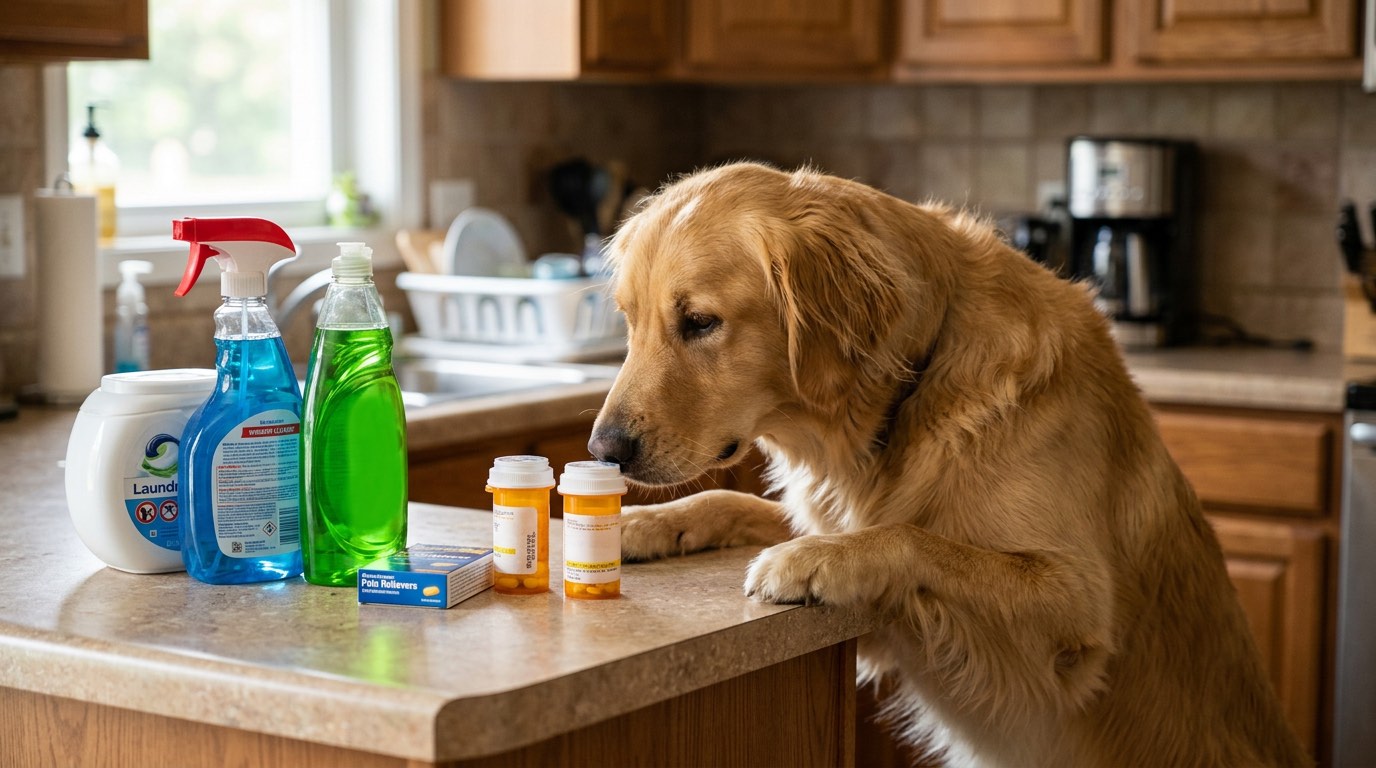
Quick Answer
A comprehensive guide to the most common toxins that harm pets, what to do in a poisoning emergency, how to pet-proof your home, and essential safety habits that could save your pet's life.
Key Takeaways
- ✓Over-the-counter medications, human foods, and household plants are among the most common causes of pet poisoning
- ✓Grapes, xylitol, onions, chocolate, lilies (for cats), and rodenticides are especially dangerous
- ✓If you suspect poisoning, call your veterinarian or a pet poison hotline immediately — do not wait for symptoms
- ✓Do not induce vomiting without veterinary guidance; it is contraindicated for many toxins
- ✓Store all medications, cleaning products, and hazardous foods in latched, inaccessible locations
- ✓Teaching "leave it" and "drop it" cues provides reliable, trained protection against accidental ingestion
- ✓Having poison control contacts saved before an emergency occurs can make a critical difference in response time
Why Poison Prevention Matters
Pets explore the world with their mouths and noses, which makes them remarkably vulnerable to accidental poisoning. Each year, hundreds of thousands of calls are made to veterinary poison control centers in North America — and the majority involve everyday household items that owners didn't realize were dangerous.
Toxin exposures range from mildly irritating to immediately life-threatening. Some poisons act within minutes; others cause organ damage over days before any obvious symptoms appear. The outcome often depends on one factor above all others: how quickly the pet receives veterinary care.
Understanding what's toxic, what to do in an emergency, and how to make your home safer can genuinely save your pet's life.
Most Common Toxins That Affect Pets
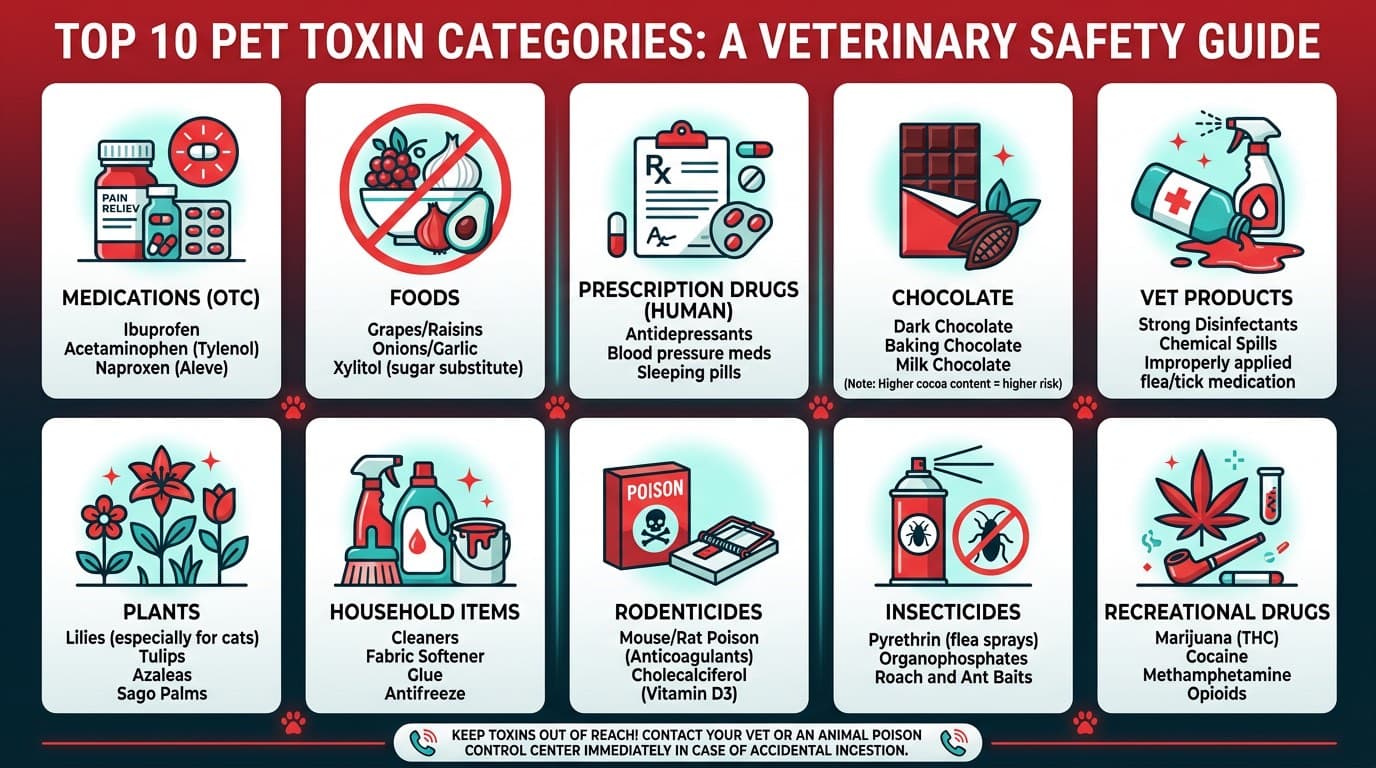
According to the ASPCA Animal Poison Control Center, the following categories consistently account for the highest number of pet poisoning cases each year:
1. Over-the-Counter Medications
Human pain relievers and common medications are among the most frequently ingested toxins. Ibuprofen and naproxen (NSAIDs) cause gastrointestinal ulcers and acute kidney failure — even a single tablet can be dangerous for cats. Acetaminophen (Tylenol) is acutely toxic to cats at almost any dose and causes liver failure and red blood cell destruction. Cold medications, antihistamines, vitamins, and sleep aids are also common culprits.
*Never give human medications to pets unless explicitly directed by a veterinarian.*
2. Human Foods
Many foods that are harmless — or even healthy — for people can seriously injure or kill pets:
- Grapes and raisins: Can cause acute kidney failure in dogs; the toxic mechanism is still not fully understood
- Xylitol: Found in sugar-free gum, candies, some peanut butters, and baked goods — causes rapid insulin release in dogs leading to hypoglycemia, and can cause liver failure
- Onions and garlic: Damage red blood cells in both dogs and cats, causing hemolytic anemia
- Alcohol: Even small amounts cause dangerous drops in blood sugar, blood pressure, and body temperature
- Caffeine and coffee: Causes heart arrhythmias, tremors, and seizures
- Macadamia nuts: Cause weakness, hyperthermia, and vomiting in dogs
3. Prescription Medications
Human prescription drugs are a significant hazard, particularly cardiovascular medications (beta blockers, calcium channel blockers), ADHD medications (amphetamines), antidepressants, and sleep aids. These are often toxic at very low doses in pets. Pill organizers and medications left on countertops are frequently accessed by curious dogs.
4. Chocolate
Chocolate contains theobromine and caffeine, both of which dogs metabolize far more slowly than humans. Dark chocolate and baking chocolate carry the highest concentration of theobromine per ounce. Depending on the amount and the dog's size, chocolate ingestion can cause vomiting, diarrhea, elevated heart rate, tremors, and seizures. White chocolate has the least risk; baking chocolate poses the greatest.
5. Veterinary Products — Overdose Risk
Flavored chewable medications — including parasite preventatives and joint supplements — are designed to taste appealing to pets. This palatability can lead to accidental overdose when a pet finds and consumes an entire package. Always store flavored veterinary products out of reach as strictly as any human medication.
6. Plants and Fungi
Numerous common houseplants and garden plants are toxic to pets:
- Lilies: Certain species (Easter lily, Tiger lily, Daylily) are acutely nephrotoxic to cats — even small exposures to pollen or leaves can cause irreversible kidney failure
- Sago palm: Highly toxic to dogs; even a few seeds can cause liver failure
- Autumn crocus: Can cause gastrointestinal damage and bone marrow suppression
- Mushrooms: Many toxic wild mushroom species are difficult to identify; any mushroom ingestion should be treated as a potential emergency
7. Household Products
Items that seem benign in normal use can be dangerous when chewed or swallowed:
- Batteries: Cause chemical burns to the mouth, esophagus, and gastrointestinal tract when chewed
- Silica gel / oxygen absorber packets: Desiccant packets, especially iron-containing oxygen absorbers in jerky packaging, can cause iron toxicity
- Cleaning products: Bleach, toilet bowl cleaners, drain openers, and dishwasher pods are caustic and can cause burns to mucous membranes
8. Rodenticides
Rat and mouse poisons are among the most dangerous substances a pet can ingest. The three main types — anticoagulant rodenticides, bromethalin (neurotoxic), and cholecalciferol (vitamin D toxicosis) — all work through different mechanisms and have different treatment windows. Many require prompt treatment before symptoms appear for a successful outcome. Never use rodenticide baits in areas accessible to pets.
9. Insecticides and Pesticides
Pyrethrins and pyrethroids used in some flea/tick products and yard sprays are particularly dangerous for cats, which lack the liver enzymes to metabolize them efficiently. Organophosphate insecticides, improperly stored or applied yard products, and slug/snail bait (metaldehyde) are all capable of causing severe, rapidly progressing illness.
10. Recreational Drugs
Cannabis products — including edibles, concentttes, and flower — are an increasingly common cause of pet poisoning. Dogs are especially sensitive to THC and typically present with severe ataxia, urinary incontinence, bradycardia, and dilated pupils. While rarely fatal, these cases are distressing for the animal and often require supportive hospital care. Cases involving psychedelic mushrooms, cocaine, and methamphetamine are also documented and represent true emergencies.
What to Do if Your Pet Is Exposed to a Toxin
Speed is critical in toxin exposures. The steps you take in the first 30 minutes can dramatically alter the outcome.
Step 1: Stay Calm and Assess
Take note of:
- What substance was ingested (keep the container)
- Estimated amount consumed
- Time of exposure
- Your pet's current symptoms (or absence of symptoms)
Step 2: Call for Veterinary Guidance Immediately
Do not wait for symptoms to appear — many serious toxins show no early warning signs.
- Your veterinarian or emergency animal hospital: Always the first call
- ASPCA Animal Poison Control Center: (888) 426-4435 *(consultation fee may apply)*
- Pet Poison Helpline: (855) 764-7661 *(consultation fee may apply)*
Have the product name and ingredients ready. The veterinary team or poison control specialist will guide you on whether home management is appropriate or whether your pet needs immediate evaluation.
Step 3: Do Not Induce Vomiting Without Guidance
This is one of the most important points. Inducing vomiting is appropriate only for certain toxins and within a limited time window — and it is contraindicated for:
- Caustic substances (acids, alkalis, cleaning products)
- Hydrocarbons (fuels, solvents)
- Sharp objects
- Pets that are already unconscious, seizing, or showing neurological signs
Hydrogen peroxide, which some sources historically recommended for home-induced vomiting in dogs, can cause severe hemorrhagic gastroenteritis and is generally no longer recommended without veterinary guidance.
Step 4: Topical Exposure — Wash Immediately
If the toxin is on your pet's fur, skin, or paws:
- Wear gloves before handling
- Rinse the area thoroughly with lukewarm water
- Use mild dish soap if the substance is oily or greasy
- Prevent the pet from licking the area during washing
- Seek veterinary evaluation even after washing
Step 5: Transport Safely
- Bring the product container or photograph the label
- Keep your pet warm and as calm as possible
- Do not leave the pet unattended in a car
- Call the clinic ahead so they can prepare for your arrival
Pet-Proofing Your Home
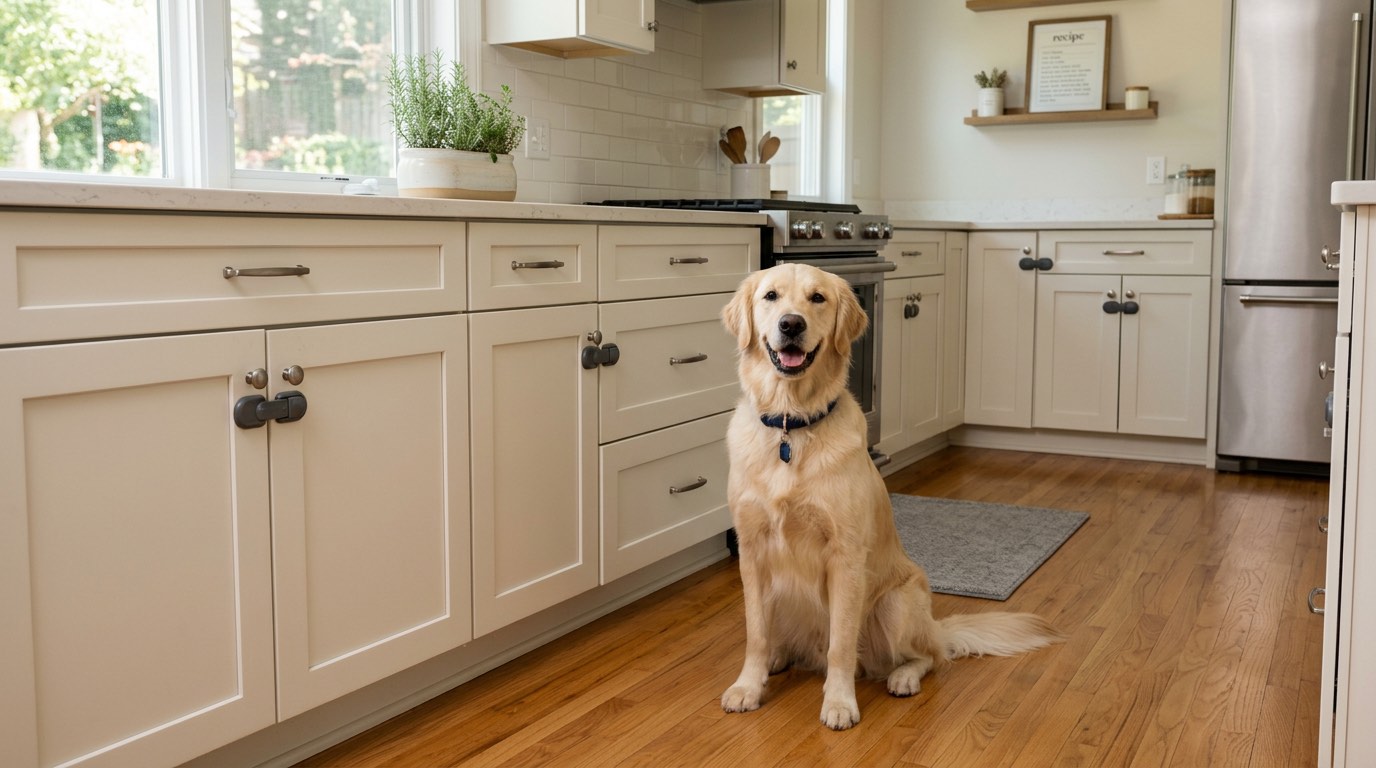
Preventing access to toxins is always easier and safer than treating a poisoning after the fact. Here are the most impactful steps you can take:
Medications: Treat Like a Pharmacy
- Store all human and veterinary medications in latched, pet-inaccessible cabinets — not in open purses, nightstand drawers, or counter tops
- Be particularly careful with pill organizers; they are easy for dogs to open
- Never leave medications on bathroom counters or bedside tables
- When guests visit, remind them to keep their medications secured or inside a closed bag
Foods: Lock Down the Kitchen
- Keep grapes, raisins, onions, garlic, macadamia nuts, and xylitol-containing products entirely out of pet access
- Secure trash cans — bungee cords or locking lids work well for determined dogs
- Don't leave food unattended on counters
- Read all food labels carefully before offering anything to pets
- Be extra vigilant during holidays when unusual foods are more readily available
Cleaning Products and Household Chemicals
- Store cleaning products in latched lower cabinets or elevated shelving
- Keep pets out of recently cleaned spaces until floors and surfaces are dry
- Store batteries and button cells in sealed containers; battery puncture injuries are fast and severe
Plants: Audit Your Home and Garden
- Research every houseplant and garden plant before introducing it to your home
- Remove or relocate confirmed toxic plants before bringing a new pet home
- Cats are particularly vulnerable — lilies are an absolute no in any home with a cat
- Check the ASPCA's online toxic plant database for a comprehensive species list
During High-Risk Situations
- Holidays (Halloween candy, Christmas plants, Thanksgiving foods)
- Parties or gatherings where guests may leave bags on the floor
- Home renovation — construction materials and solvents may be accessible
- Pest control treatments — ask professionals to use pet-safe products and follow re-entry guidelines
Training and Behavioral Strategies
Teaching your pet reliable responses reduces risk across all situations:
- "Leave it": One of the most important safety cues any pet can learn; stops a pet from picking up something dangerous on the ground
- "Drop it" / "Trade up": Teaches the pet to willingly release an item in exchange for a high-value reward — make this exchange overwhelmingly positive so the behavior is reliable under stress
- Loose-leash engagement: Keeping your dog's attention on you during walks reduces scavenging behavior
- Basket muzzle for scavengers: For dogs who persistently eat things off the ground, a well-fitted basket muzzle during outdoor time is a safe and practical solution that doesn't impair breathing or panting
Being Prepared Before an Emergency Happens
The most effective poison prevention plans include emergency readiness — not just hazard removal.
Create an Emergency Contact Card
Post this somewhere visible (fridge, front door) and save it in your phone:
- Your primary veterinarian's name and number
- Nearest 24-hour emergency animal hospital and address
- ASPCA Animal Poison Control Center: (888) 426-4435
- Pet Poison Helpline: (855) 764-7661
Keep a Basic Toxin History
If your pet has been exposed to something, document it. Veterinarians treating pets with unknown histories benefit enormously from knowing even a brief exposure history — prior kidney or liver disease from a previous toxin can affect treatment decisions.
Know Your Pet's Baseline
Being familiar with your pet's normal behavior, appetite, drinking habits, and activity level makes it far easier to detect early signs that something is wrong. Many toxicoses have a silent phase before symptomatic illness — subtle changes in behavior or energy can be the earliest indicator.
Keep the ASPCA Toxic Plant and Food Lists Bookmarked
The ASPCA maintains publicly accessible databases of toxic and non-toxic plants, foods, and other hazards. Bookmarking these takes 30 seconds and provides a reliable reference before you bring a new plant into the home or share a new food with your pet.
After Any Exposure
Even if your pet seems fine after a potential toxin exposure, follow up with your veterinarian. Some toxins — rodenticides in particular — may not produce symptoms for 24-72 hours, by which point significant internal damage has already occurred.
Frequently Asked Questions
What are the most common household toxins for pets?
The most common include over-the-counter medications (ibuprofen, acetaminophen), certain human foods (grapes, xylitol, onions, chocolate), prescription drugs, toxic plants (lilies for cats, sago palm for dogs), rodenticides, cleaning products, and cannabis products. Many everyday items that are harmless to humans can cause serious illness or death in pets.
What should I do if my pet eats something toxic?
Act immediately. Call your veterinarian, the nearest emergency animal hospital, or a pet poison hotline. Do not induce vomiting without professional guidance — it is contraindicated for many toxins and can worsen the outcome. Bring or photograph the product label. Time is critical; many toxins are more treatable within the first 1-2 hours of exposure.
Are lilies really that dangerous for cats?
Yes. True lilies — including Easter lilies, Tiger lilies, Asiatic lilies, and Daylilies — are acutely nephrotoxic to cats. Even minor exposure (chewing a leaf, licking pollen from fur, drinking water from a vase) can cause irreversible acute kidney failure within 24-72 hours. Any suspected lily exposure in a cat is a veterinary emergency. Homes with cats should not contain these plants.
Can pets recover from poisoning?
Many pets fully recover when treatment is initiated promptly. The outcome depends heavily on the specific toxin, the amount consumed, the pet's size and health, and how quickly veterinary care was received. Some toxins have effective antidotes; others require supportive care. Early intervention consistently improves prognosis.
Is xylitol dangerous for dogs?
Yes — xylitol is highly toxic to dogs. Found in sugar-free gum, mints, some peanut butters, toothpaste, and baked goods, it triggers a rapid and profound release of insulin in dogs, causing life-threatening hypoglycemia. Higher doses can also cause acute liver failure. Always check ingredient labels before sharing any food product with your dog.
References
- ASPCA Animal Poison Control Center. "Annual Toxin Exposure Report." American Society for the Prevention of Cruelty to Animals, 2024.
- Plumb, D.C. "Plumb's Veterinary Drug Handbook." 10th Edition. Wiley-Blackwell, 2023.
- Cope, R.B. "Toxicology of Selected Pesticides, Drugs, and Chemicals." Veterinary Clinics of North America: Small Animal Practice, 2022.
- Poppenga, R.H., Gwaltney-Brant, S.M. "Small Animal Toxicology Essentials." Wiley-Blackwell, 2011.
- ASPCA. "Toxic and Non-Toxic Plant List." Retrieved from aspca.org/pet-care/animal-poison-control, 2024.