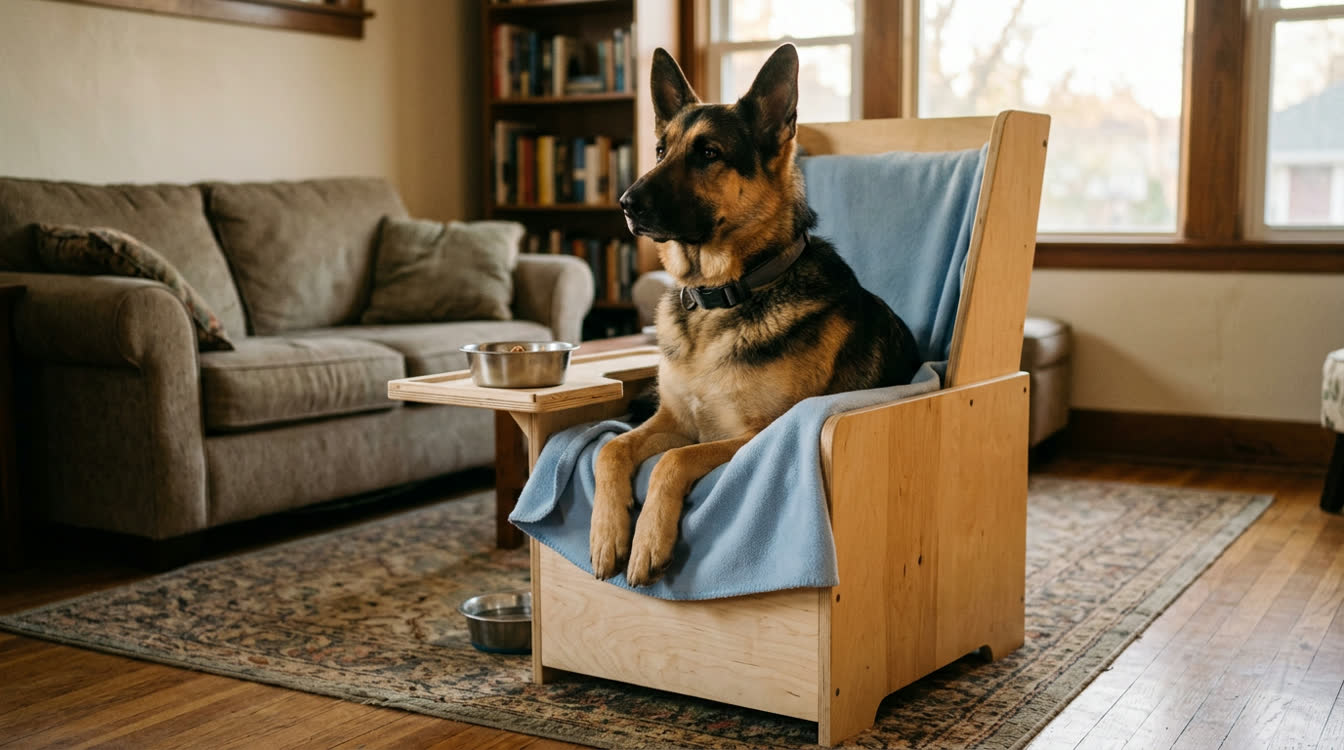
Quick Answer
Megaesophagus is diffuse esophageal dilation with loss of peristalsis, causing regurgitation and aspiration risk. This guide covers congenital vs acquired causes, myasthenia gravis testing, Bailey chair upright feeding technique, aspiration pneumonia prevention, and prognosis by cause.
Key Takeaways
- ✓Megaesophagus causes regurgitation (passive) not vomiting -- no abdominal heaving
- ✓Myasthenia gravis accounts for 25-30% of acquired cases -- test with AChR antibody titer
- ✓Bailey chair upright feeding for 10-15 minutes post-meal is the cornerstone of management
- ✓Aspiration pneumonia is the #1 cause of death -- recognize and treat aggressively
- ✓Treatable causes (hypothyroidism, Addison disease) may result in partial or full resolution
Causes of Megaesophagus: Congenital vs Acquired
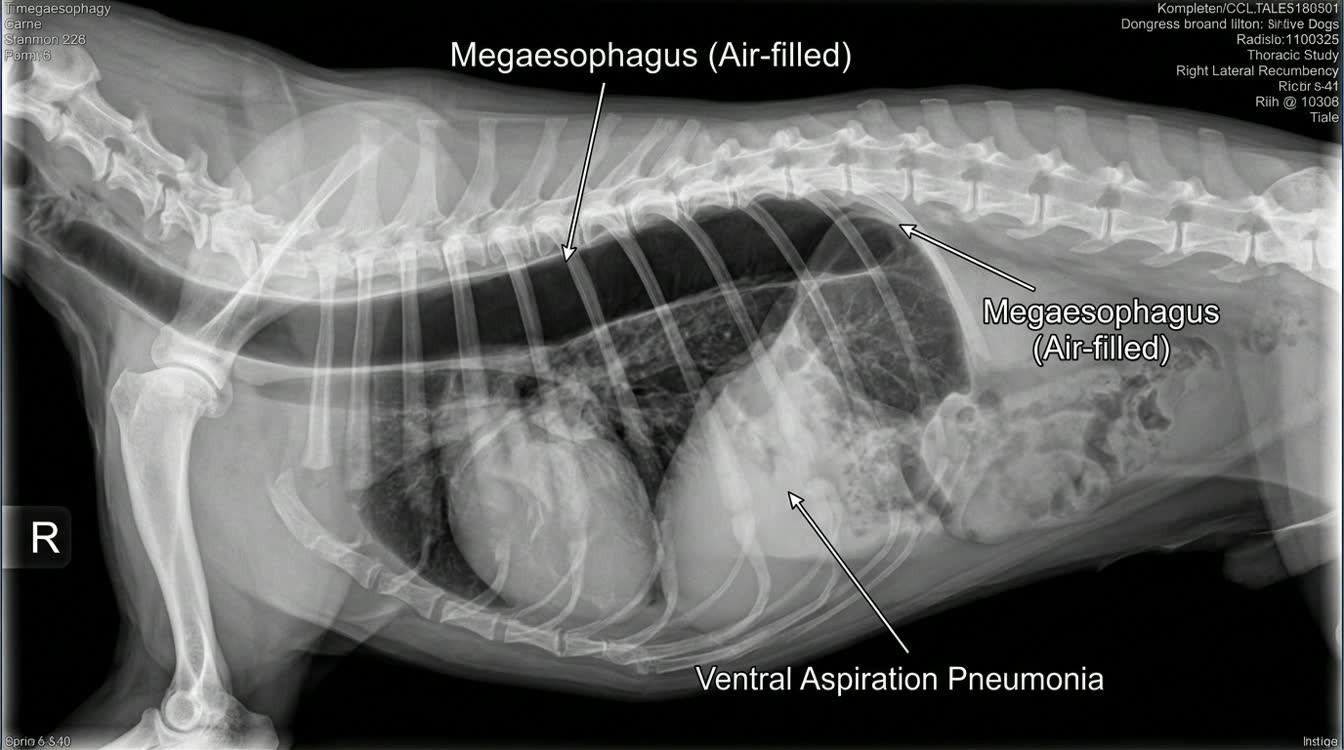
Megaesophagus Overview Megaesophagus is diffuse dilation of the esophagus due to loss of motility. Hallmark sign: regurgitation (passive, effortless) vs vomiting (active, with abdominal heaving).
Congenital Megaesophagus
- Appears at weaning (3-8 weeks)
- Breed predisposition: Great Dane, Irish Setter, German Shepherd, Labrador, Miniature Schnauzer, Newfoundland
- 20-46% spontaneous resolution in German Shepherds
Acquired Megaesophagus -- Causes
| Category | Cause | Notes |
|---|---|---|
| Idiopathic | Unknown | Most common (~50%) |
| Neuromuscular | Myasthenia gravis (MG) | #1 identifiable cause |
| Neuromuscular | Polymyositis | Elevated CK |
| Endocrine | Hypothyroidism | T4 testing; may be reversible |
| Endocrine | Hypoadrenocorticism (Addison) | ACTH stim test |
| Paraneoplastic | Thymoma | Cranial mediastinal mass |
| Obstructive | Vascular ring anomaly | Dilation cranial to heart only |
Myasthenia Gravis Workup
- MG accounts for 25-30% of acquired megaesophagus
- Order acetylcholine receptor (AChR) antibody titer (UC San Diego Comparative Neuromuscular Lab)
- Focal MG: regurgitation only without limb weakness
- Treatment with pyridostigmine may improve esophageal motility
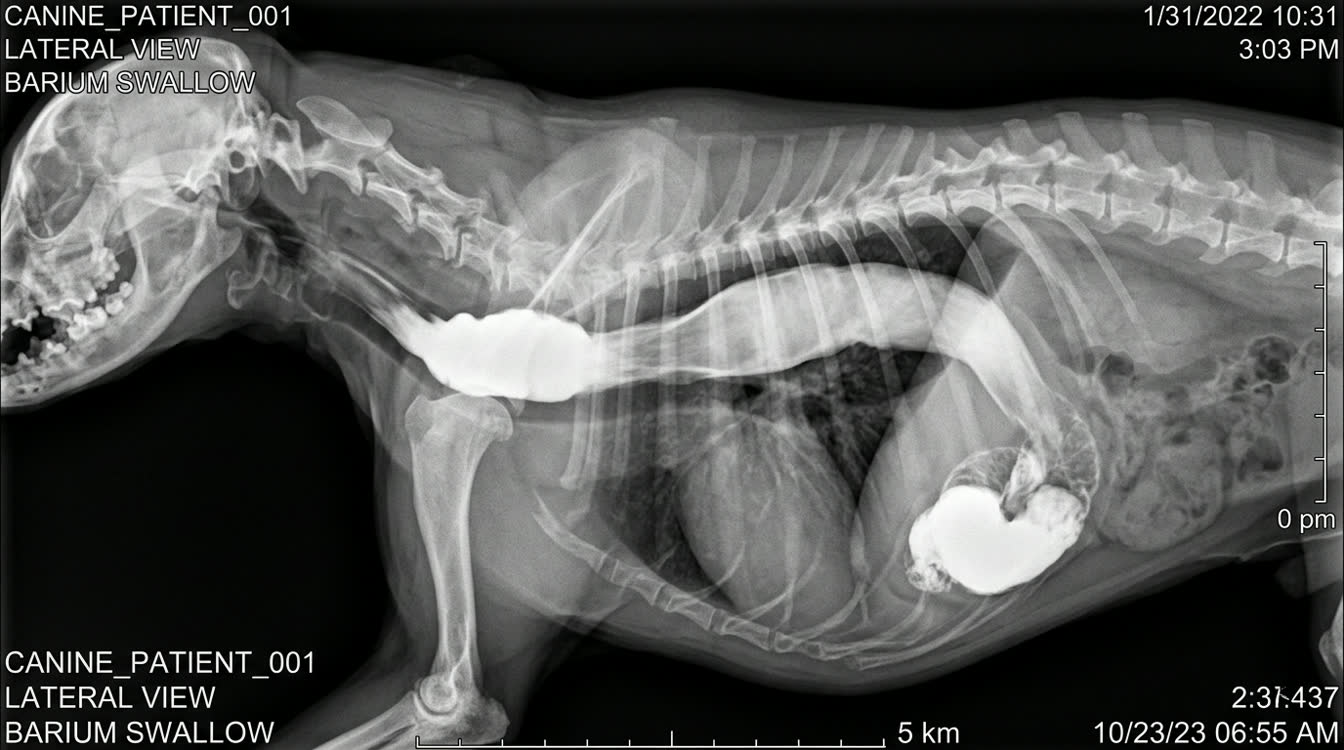
Diagnostic Workup 1. Survey chest radiographs: dilated esophagus; aspiration pneumonia assessment 2. Contrast esophagram (barium swallow): confirm; assess motility with fluoroscopy 3. Bloodwork: CBC, chemistry, T4, ACTH stim, AChR antibody titer 4. Chest CT: if thymoma suspected 5. Edrophonium (Tensilon) test: if MG suspected
Bailey Chair Feeding and Aspiration Pneumonia Prevention
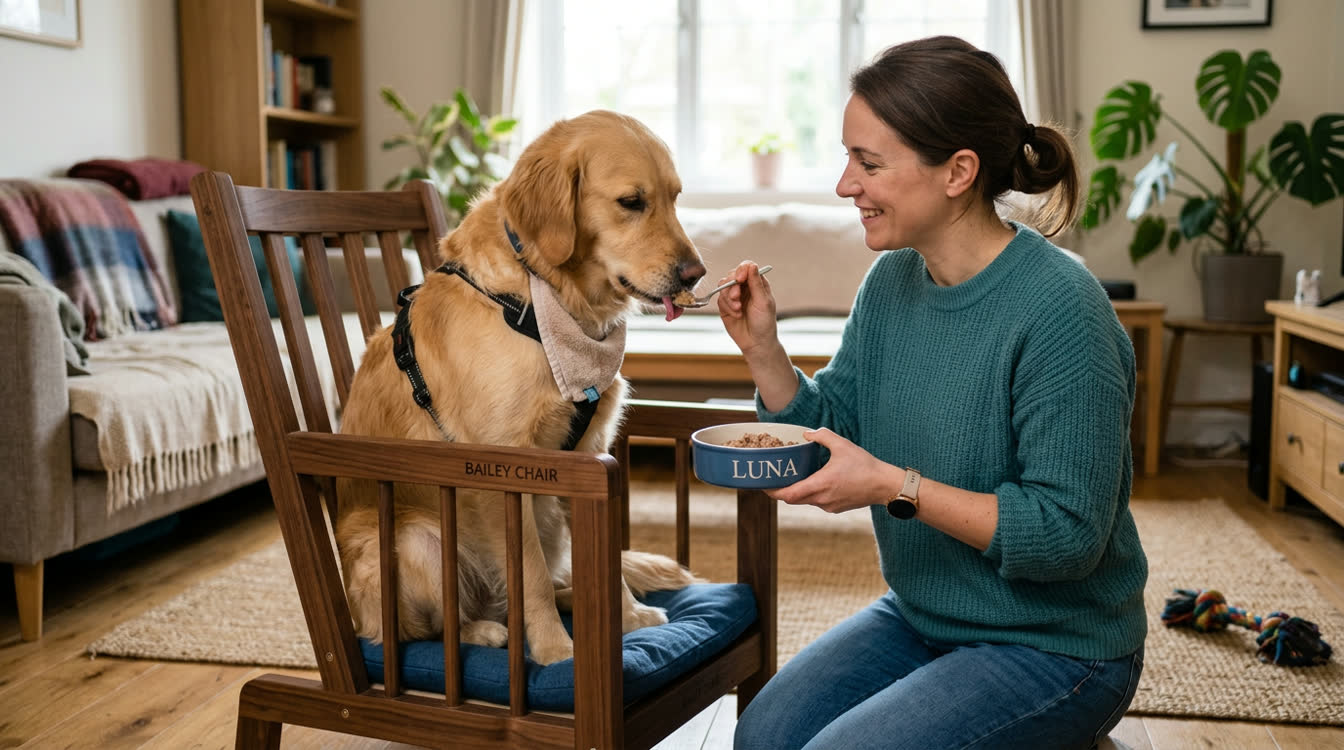
Bailey Chair Feeding -- Cornerstone of Management 1. Feed in upright, vertical position (45-90 degrees from horizontal) 2. Keep upright 10-15 minutes after each meal for gravity-assisted esophageal emptying 3. Feed small, frequent meals (3-4x/day) 4. Experiment with food consistency: meatball, slurry, or liquid based on VFSS findings
Aspiration Pneumonia Prevention
- Consistent upright feeding is paramount
- Elevate sleeping area 30-45 degrees
- Treat concurrent conditions (MG, hypothyroidism, Addison disease)
- Warning signs: increased respiratory rate, coughing, fever, lethargy
Aspiration Pneumonia Treatment
- Mild: amoxicillin-clavulanate 13.75 mg/kg PO q12h x 3-4 weeks
- Severe/hospitalized: ampicillin-sulbactam 22 mg/kg IV q8h or enrofloxacin 5 mg/kg IV q24h
- Nebulization and coupage 3-4x daily if hospitalized
Medical Adjuncts
- Omeprazole 0.5-1 mg/kg PO q24h: for concurrent esophagitis
- Pyridostigmine 0.5-1.0 mg/kg PO q8-12h: if MG confirmed
- Levothyroxine 0.02 mg/kg PO q12h: if hypothyroidism confirmed
Prognosis by Underlying Cause and Long-term Monitoring
Prognosis by Cause
| Cause | Prognosis | Notes |
|---|---|---|
| Congenital (puppy) | Guarded to fair | 20-46% spontaneous resolution |
| Idiopathic acquired | Guarded | Lifelong management required |
| MG-associated | Fair | 25% spontaneous MG remission |
| Hypothyroid | Good | May fully resolve with levothyroxine |
| Addison disease | Good | Often resolves with treatment |
| Thymoma | Variable | May persist after resection |
Monitoring
- Chest radiographs q3-4 months: monitor for aspiration pneumonia
- Body weight monthly: weight loss indicates inadequate intake
- AChR antibody titer q3-6 months: monitor for MG resolution
Quality of Life
- Many dogs successfully managed for years with owner commitment
- Consider euthanasia for recurrent aspiration pneumonia (>3 episodes) or inability to maintain weight
Related Articles:
- [Exocrine Pancreatic Insufficiency in Dogs](/articles/exocrine-pancreatic-insufficiency-dogs)
- [Protein-Losing Enteropathy in Dogs](/articles/protein-losing-enteropathy-dogs)
Frequently Asked Questions
How do I know if my dog is regurgitating vs vomiting?
Regurgitation is passive and effortless -- food expelled without abdominal heaving, shortly after eating, producing tubular undigested food. Vomiting involves active abdominal contractions and partially digested food with bile.
What is a Bailey chair?
A Bailey chair holds your dog in an upright, nearly vertical position while eating and for 10-15 minutes afterward. Gravity helps food slide into the stomach. Commercial versions exist or owners can build one from wood.
Should I test for myasthenia gravis?
Yes -- MG accounts for 25-30% of acquired megaesophagus. Order an AChR antibody titer. Focal MG can cause megaesophagus without limb weakness. Treatment with pyridostigmine may improve esophageal motility.
Will megaesophagus resolve in my puppy?
Congenital megaesophagus has a chance of spontaneous resolution, particularly in German Shepherds (20-46%). Continue upright feeding and recheck radiographs at 6 and 12 months.
How do I prevent aspiration pneumonia?
Consistent upright feeding in a Bailey chair with 10-15 minutes post-meal elevation is most important. Elevate sleeping area. Learn warning signs: coughing, increased respiratory rate, fever -- seek care immediately.
References
- Gaynor AR, et al. Risk factors for acquired megaesophagus in dogs. J Am Vet Med Assoc. 1997;211(11):1406-1412.
- Shelton GD. Myasthenia gravis and megaesophagus. Vet Clin North Am Small Anim Pract. 2002;32(5):1105-1135.
- Willard MD. Disorders of the esophagus. In: Ettinger SJ, Feldman EC, eds. Textbook of Veterinary Internal Medicine. 8th ed. Elsevier; 2017.