Quick Answer
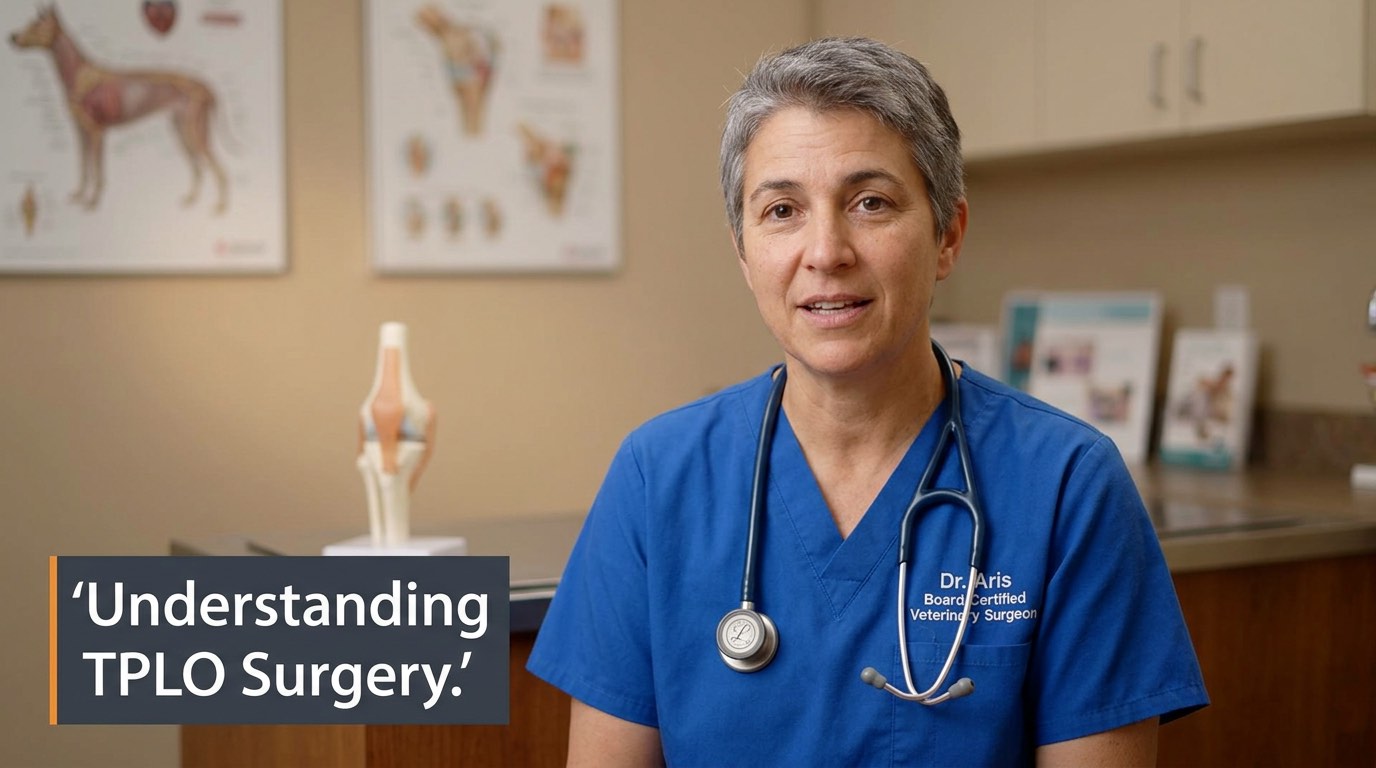
A comprehensive veterinary guide to TPLO surgery in dogs, including surgical technique, recovery timeline, rehabilitation protocols, and expected outcomes for CCL injuries.
Key Takeaways
- ✓TPLO is the gold standard surgical treatment for CCL (cruciate) injuries in medium to large dogs
- ✓The surgery changes knee biomechanics rather than replacing the ligament, providing excellent stability
- ✓Strict activity restriction for 8-12 weeks is critical for successful bone healing
- ✓90-95% of dogs return to normal or near-normal function after TPLO surgery
- ✓Professional rehabilitation significantly improves outcomes and speeds recovery
- ✓40-60% of dogs will injure the opposite knee within 2 years—monitor closely
- ✓Arthritis will develop regardless of treatment but progresses more slowly after TPLO
What is TPLO Surgery?
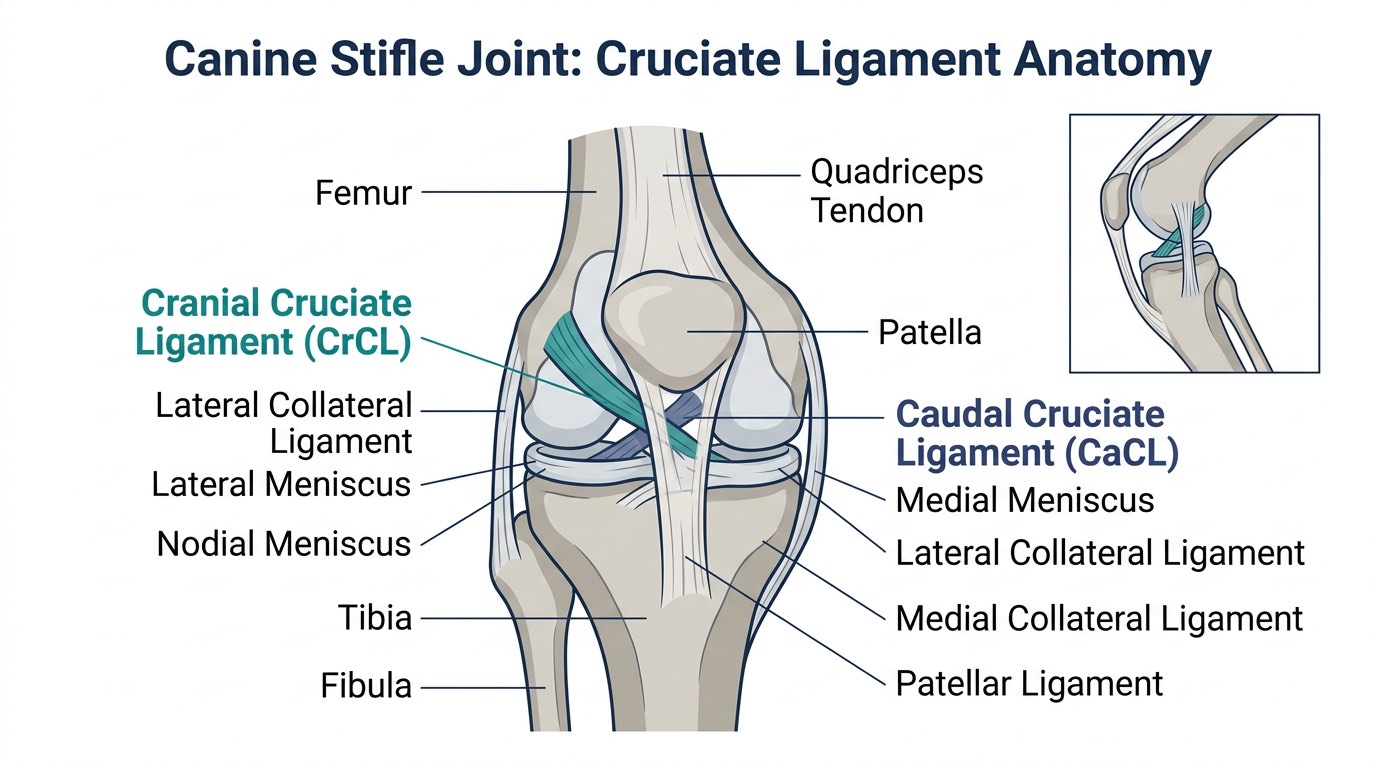
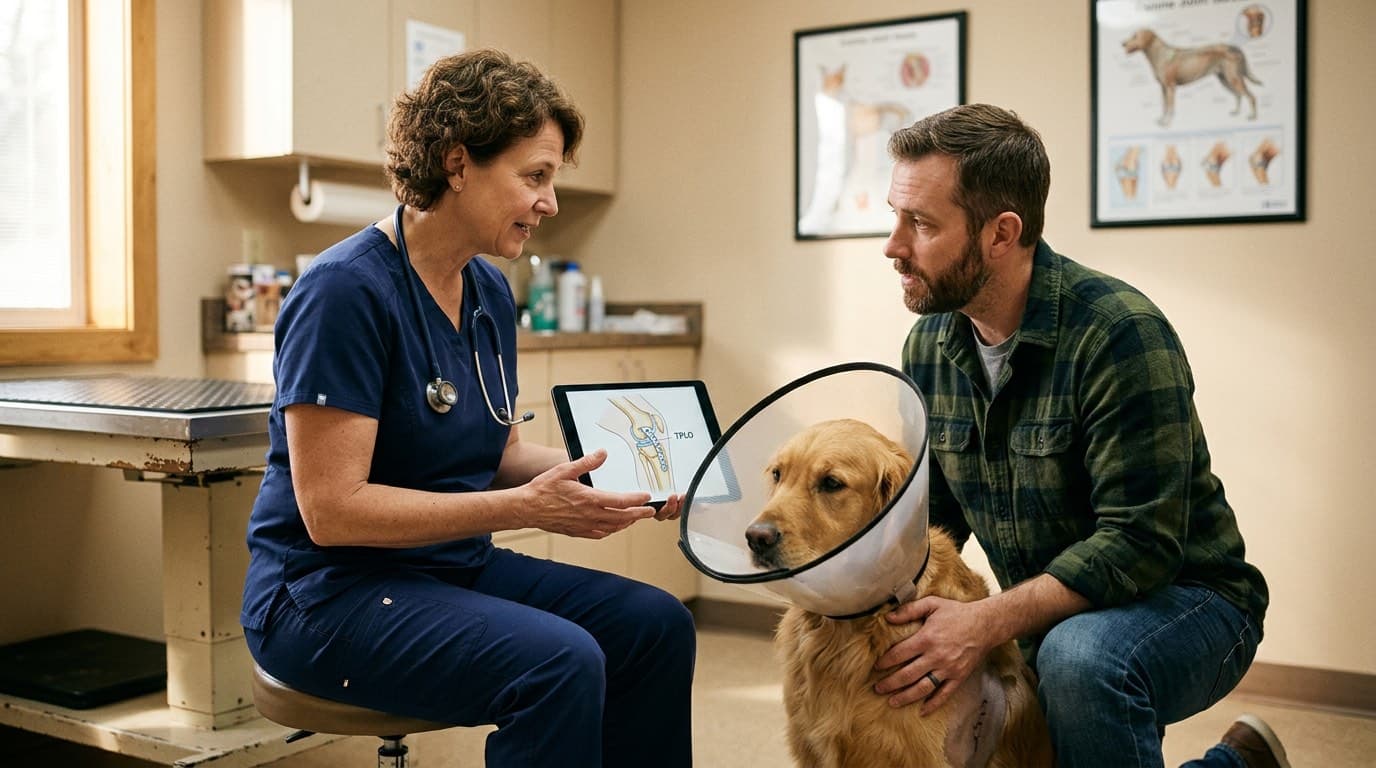
Tibial Plateau Leveling Osteotomy (TPLO) is one of the most commonly performed orthopedic surgeries in veterinary medicine. It's designed to stabilize the knee (stifle) joint in dogs suffering from cranial cruciate ligament (CCL) injury—the canine equivalent of the human ACL tear.
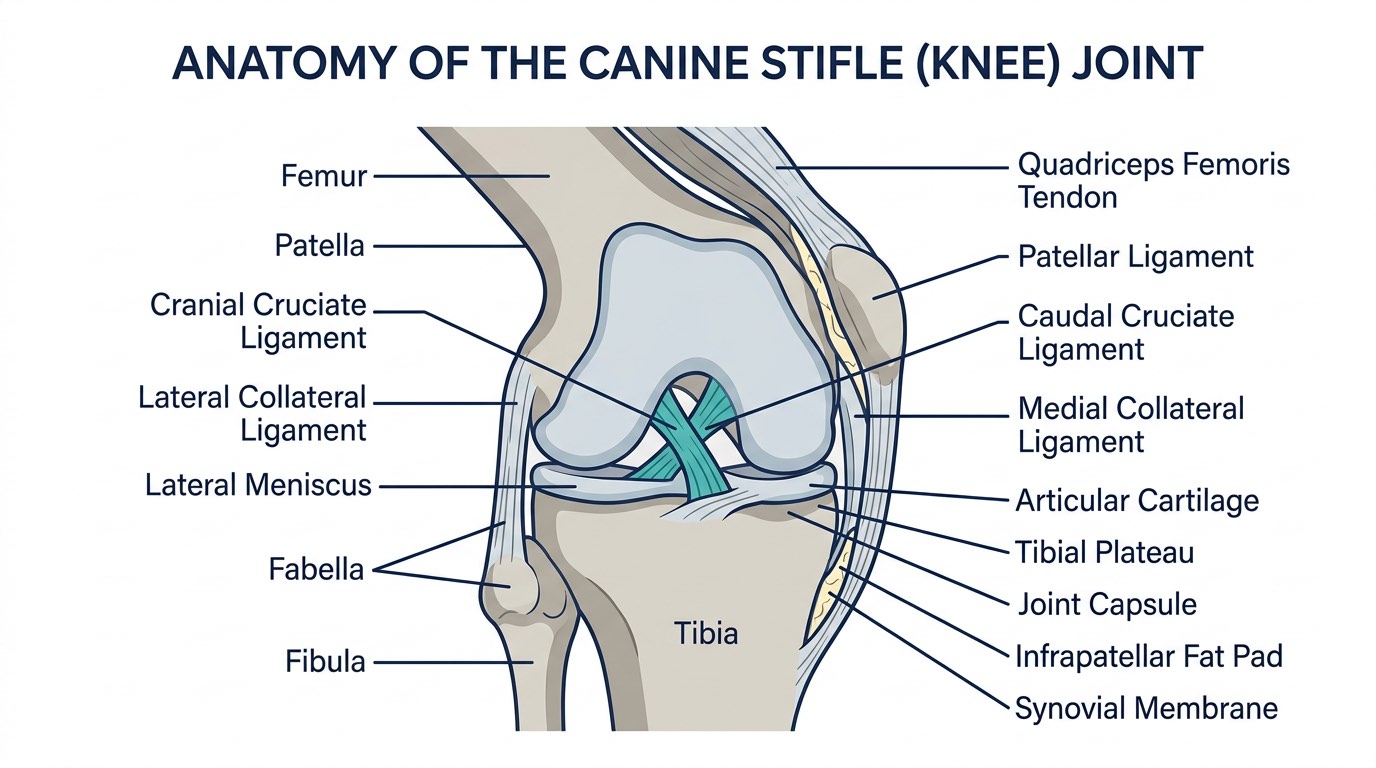
The Cranial Cruciate Ligament
The CCL is a critical ligament inside the dog's knee that:
- Prevents the tibia from sliding forward relative to the femur
- Limits internal rotation of the tibia
- Helps prevent hyperextension of the knee
When this ligament ruptures, the knee becomes unstable, causing pain, lameness, and progressive arthritis.
How TPLO Works
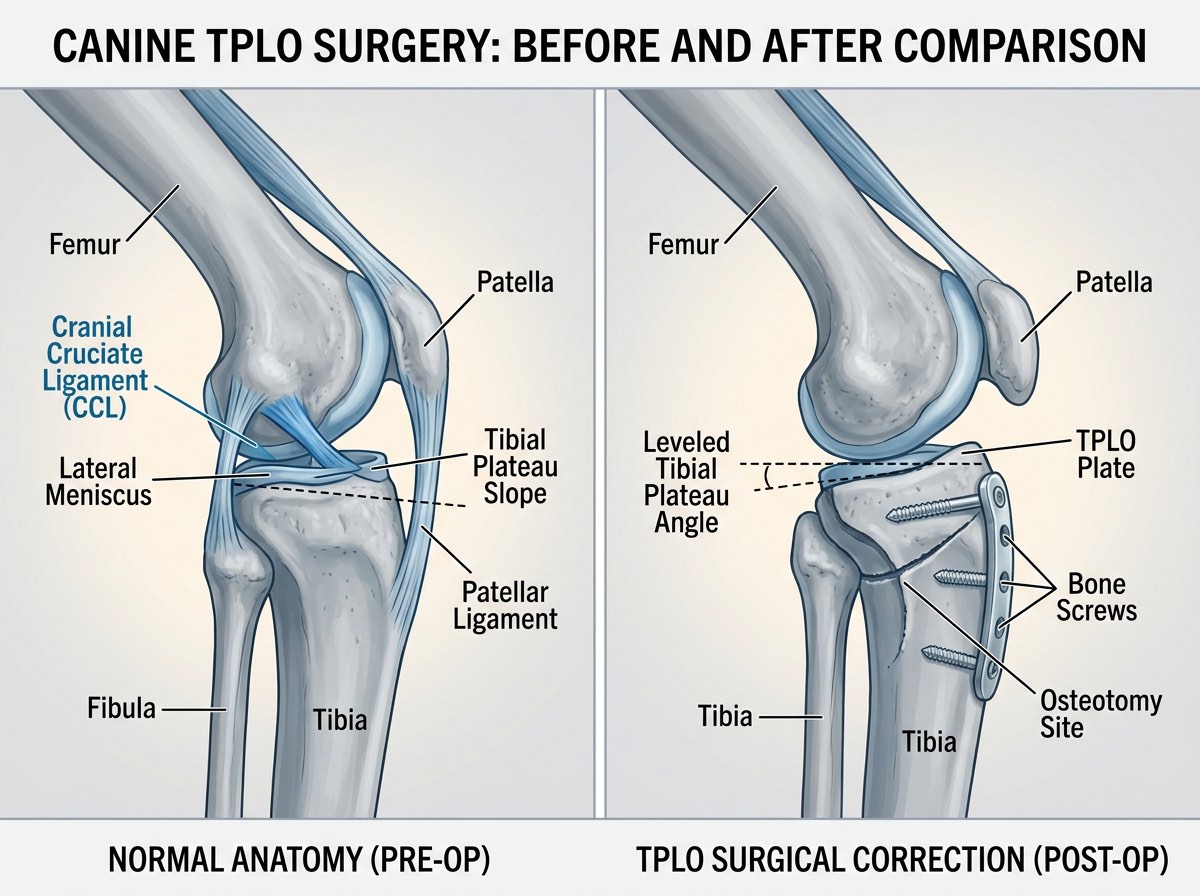
Rather than replacing the ligament, TPLO changes the biomechanics of the knee:
- A curved cut is made in the top of the tibia (tibial plateau)
- The bone is rotated to flatten the angle of the tibial plateau
- A bone plate is applied to hold the new position
- This eliminates the need for the CCL by neutralizing the tibial thrust
The goal is to make the knee functionally stable without relying on the damaged ligament, allowing dogs to return to normal activity levels.
Understanding CCL Disease in Dogs
Why Do Dogs Rupture Their CCL?
Unlike human ACL tears that usually result from acute trauma, canine CCL rupture is typically a degenerative process:
Primary Causes
- Degenerative changes: The ligament weakens over time due to chronic low-grade inflammation
- Conformational factors: Steep tibial plateau angles put more stress on the CCL
- Obesity: Excess weight increases stress on knee joints
- Genetics: Certain breeds are predisposed
Risk Factors
- Breed: Labrador Retrievers, Golden Retrievers, Rottweilers, Newfoundlands, and Staffordshire Terriers are overrepresented
- Age: Most common in dogs 4-8 years old
- Weight: Overweight dogs have higher risk
- Activity level: Both very sedentary and highly athletic dogs can be affected
- Previous injury: 40-60% of dogs will rupture the opposite CCL within 1-2 years
Types of CCL Tears
- Complete tear: Full rupture of the ligament
- Partial tear: Some fibers remain intact but will progress to complete tear
- Chronic: Gradual degeneration over weeks to months
- Acute-on-chronic: Sudden worsening of pre-existing damage
Meniscal Damage
The meniscus (cartilage cushion) is damaged in approximately 50% of CCL injuries. This can occur at initial injury or later due to instability. Meniscal tears require surgical treatment and affect recovery.
Diagnosis and Evaluation
Clinical Signs
- Lameness: Ranging from subtle to non-weight bearing
- "Toe touching": Only putting the toe down when standing
- Sitting abnormally: Affected leg sticks out to the side ("sit sign")
- Stiffness: Especially after rest
- Muscle atrophy: Decreased muscle mass on affected leg
- Joint swelling: Visible or palpable thickening of the knee
- Decreased activity: Reluctance to run, jump, or play
Physical Examination
Your veterinarian will perform specific tests:
- Cranial drawer test: Manually checking for abnormal forward movement of the tibia
- Tibial thrust test: Assessing instability while flexing the hock
- Joint effusion: Feeling for excess fluid in the joint
- Meniscal click: Audible or palpable snap indicating meniscal tear
- Range of motion: Checking for pain and restriction
- Muscle mass comparison: Measuring both legs
Diagnostic Imaging
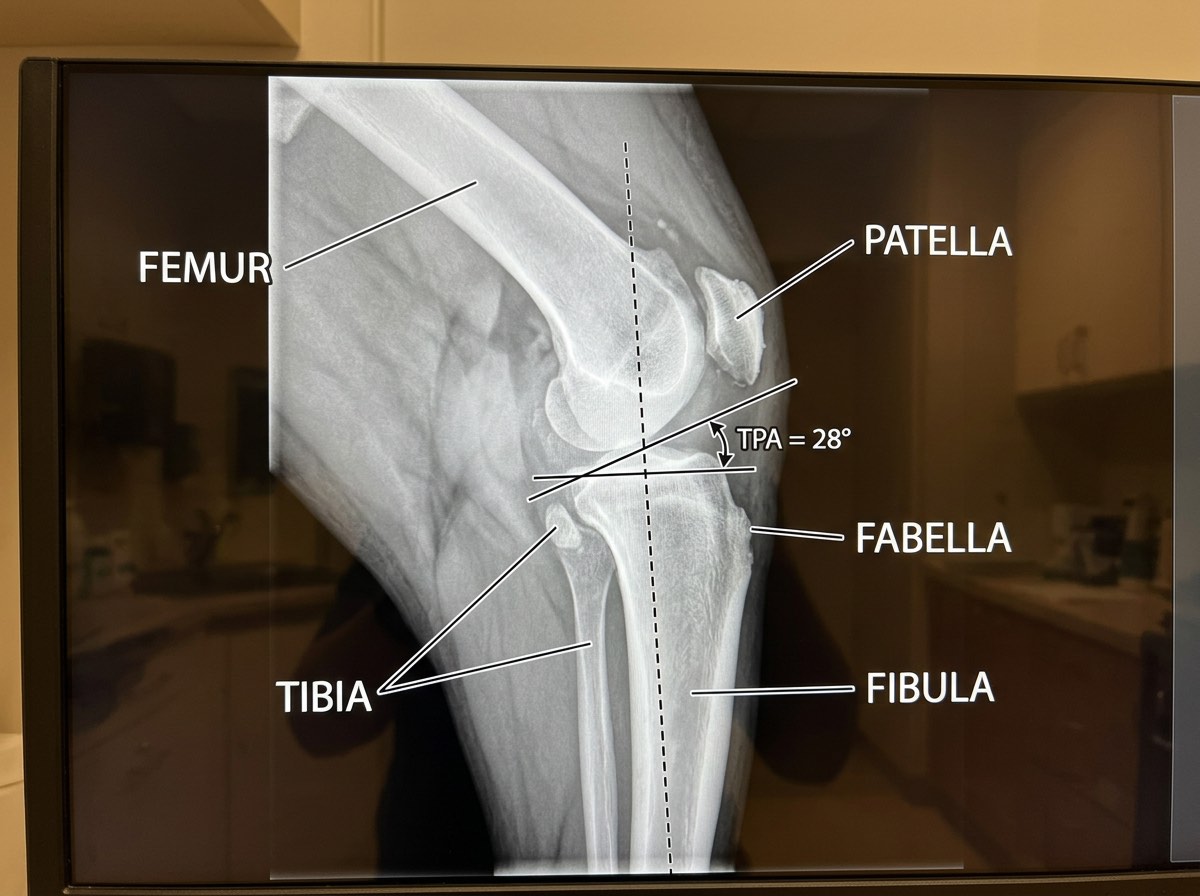
- Radiographs (X-rays): Show joint effusion, arthritis, and allow measurement of the tibial plateau angle (TPA)
- CT scan: Provides detailed bone anatomy for surgical planning
- MRI: Best for visualizing soft tissue including ligament and meniscus (less commonly used due to cost)
Tibial Plateau Angle (TPA)
The TPA is measured on radiographs and determines the degree of rotation needed during surgery:
- Normal TPA: 22-25 degrees
- Post-TPLO goal: 5-6.5 degrees
- This measurement is critical for surgical planning
The TPLO Surgical Procedure
Pre-Surgical Planning
Before surgery, your veterinary surgeon will:
- Take precise radiographs with positioning markers
- Measure the tibial plateau angle
- Calculate the exact rotation needed
- Select the appropriate plate size
- Review bloodwork and assess anesthetic risk
Anesthesia and Preparation
- General anesthesia with continuous monitoring
- IV fluids throughout the procedure
- Prophylactic antibiotics
- Multimodal pain management including injectable opioids, local nerve blocks, and anti-inflammatory medications
Surgical Steps
- Approach: A medial (inside) incision exposes the knee joint
- Joint exploration: The joint is opened to confirm CCL rupture, remnants of torn CCL are removed, and meniscus is inspected and treated if damaged
- Osteotomy: A specialized curved saw blade makes a circular cut in the tibia just below the joint surface
- Rotation: The tibial plateau is rotated to reduce the TPA to approximately 5-6.5 degrees, eliminating the cranial tibial thrust
- Stabilization: A specialized TPLO bone plate is applied with multiple screws to secure the bone
- Closure: The joint capsule is closed, followed by layers of tissue and skin closure
Surgery Duration: Typically 60-90 minutes
Recovery Timeline and Expectations
Immediate Post-Operative Period (Days 1-14)
Day 1-3:
- Pain is expected but should be well-controlled with medications
- Significant swelling and bruising is normal
- Light toe-touching when walking is typical
- Ice pack application: 10-15 minutes, 3-4 times daily
- Keep incision clean and dry
Day 3-14:
- Gradual improvement in weight-bearing
- Swelling begins to decrease
- Sutures/staples removed at 10-14 days
- Strict cage rest continues
- Short leash walks for bathroom only (3-5 minutes)
Weeks 2-4: Early Healing Phase
- Bone healing begins
- Controlled leash walks start: 5-10 minutes, 2-3 times daily
- No running, jumping, or playing
- Passive range of motion exercises begin
- Swimming may be introduced if incision healed
Weeks 4-8: Progressive Recovery
- Increased walking time: 15-20 minutes, gradually increasing
- Radiographs at 6-8 weeks to assess bone healing
- Active range of motion exercises
- Continued strict activity restriction
- Muscle strengthening exercises introduced
Weeks 8-12: Active Rehabilitation
- If radiographs show healing, activity gradually increases
- Controlled off-leash activity in small area
- Longer walks: 30-45 minutes
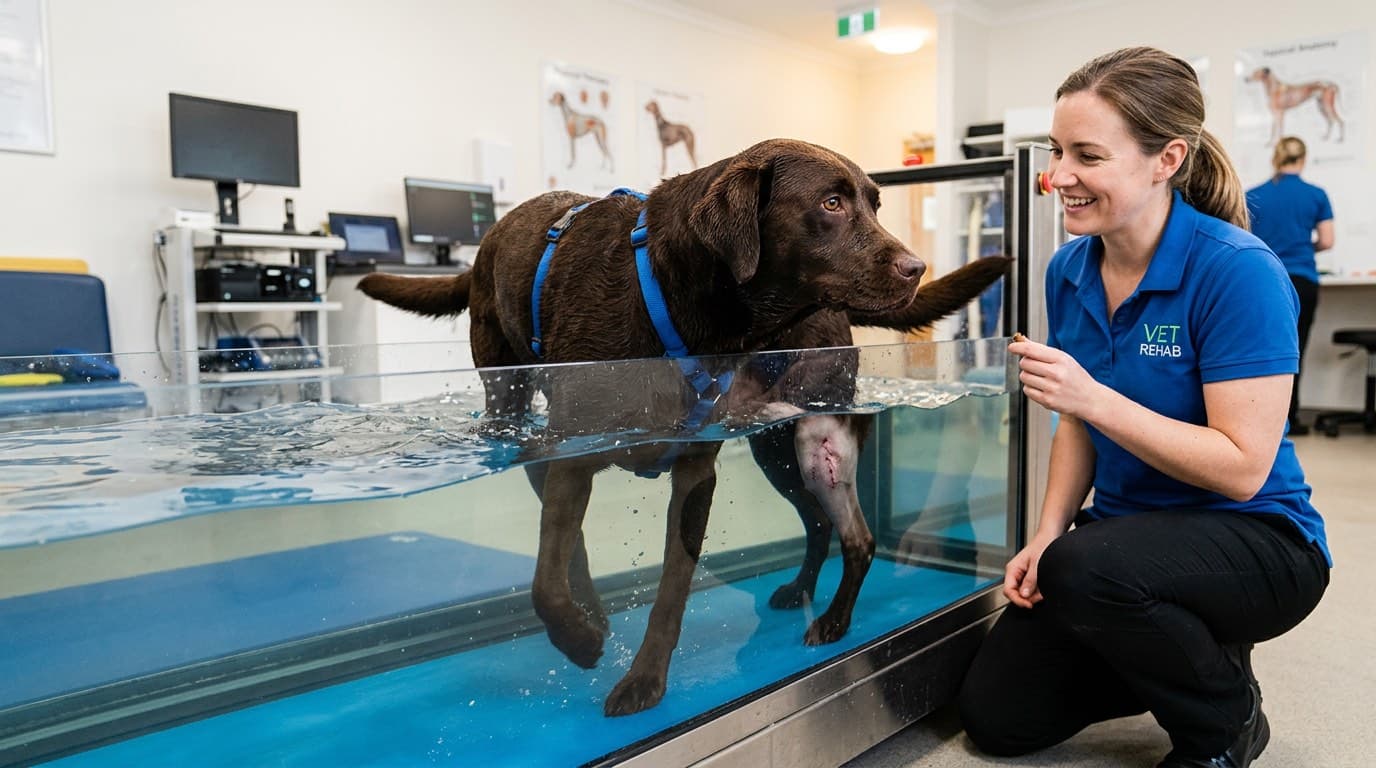
- Underwater treadmill therapy beneficial
- Hills and inclines introduced gradually
3-6 Months: Return to Normal Activity
- Most dogs return to full activity by 4-6 months
- Continue building strength and endurance
- Monitor for any signs of regression
- Final radiographs to confirm complete healing
Full Recovery Expectations
- 90-95% of dogs return to normal or near-normal function
- Some dogs exceed their pre-injury activity level
- Arthritis will develop regardless but progresses more slowly than without surgery
- Weight management remains crucial long-term
Post-Operative Home Care
Strict Confinement
The most critical aspect of recovery is activity restriction:
- Crate or small room: Confine to a crate or very small room
- Non-slip flooring: Use rugs or yoga mats to prevent slipping
- No stairs: Carry if unavoidable or use ramps
- No jumping: On/off furniture, in/out of cars
- Leash walks only: Even in fenced yard
- No playing: With other pets or children
Incision Care
- Check incision daily for excessive swelling, redness spreading from incision, discharge, or opening of incision
- Keep incision dry for 10-14 days
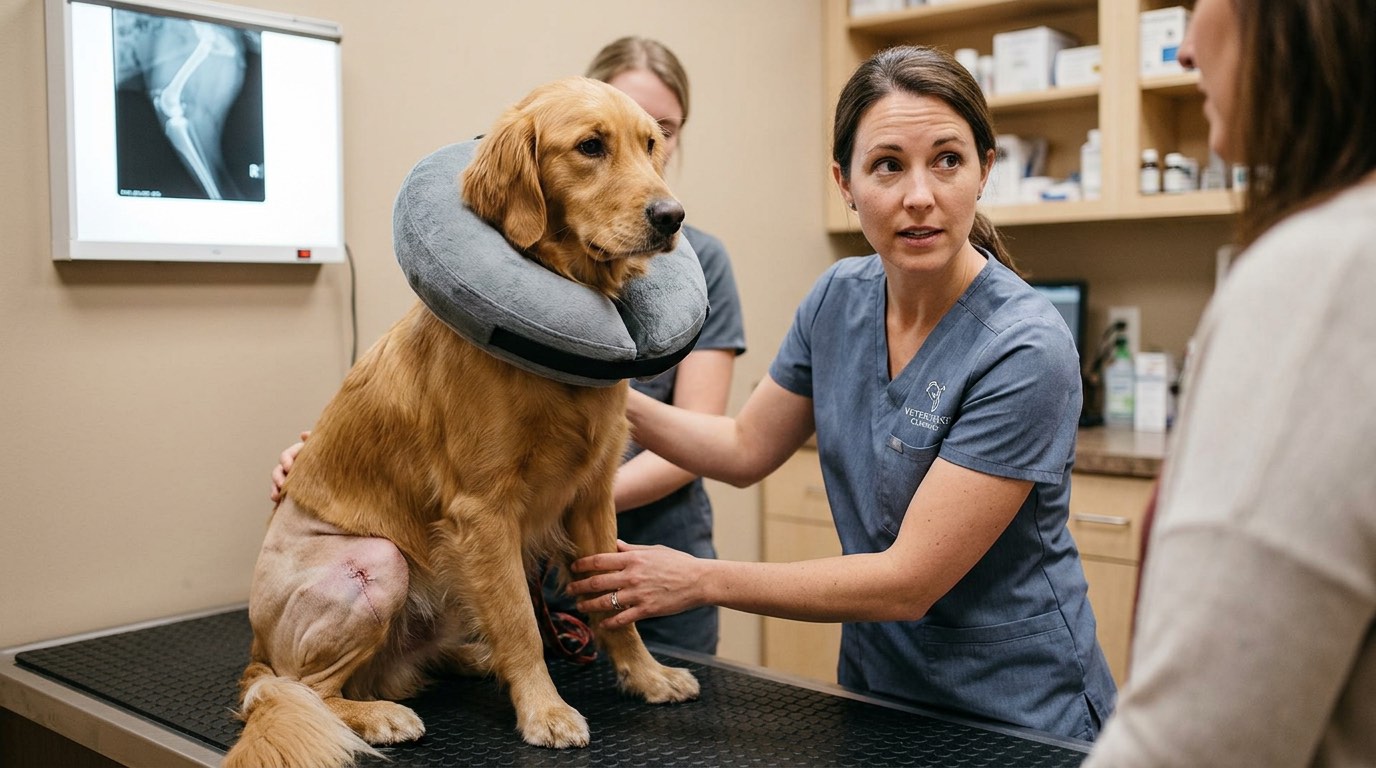
- E-collar (cone) must be worn at all times when unsupervised
- Do not apply anything to incision unless directed
Medication Management
Typical medications include:
- Pain medications: Given on schedule, not just when pain is noticed
- Anti-inflammatories: To reduce swelling and pain
- Antibiotics: If prescribed, complete full course
- Sedatives: If needed to keep dog calm
Physical Therapy at Home
Your surgeon may recommend:
- Passive range of motion (PROM): Gently flexing and extending the knee
- Ice therapy: First 72 hours, 10-15 minutes, 3-4 times daily
- Heat therapy: After 72 hours, to improve flexibility
- Gentle massage: To reduce swelling and improve circulation
- Sit-to-stand exercises: Builds quadriceps strength
Signs That Require Immediate Veterinary Attention
- Sudden worsening of lameness
- Non-weight bearing after initial improvement
- Swelling that suddenly increases
- Discharge from incision (especially pus)
- Fever, lethargy, or loss of appetite
- Incision opening or sutures/staples coming out
Potential Complications
While TPLO is generally very successful, potential complications include:
Infection (2-8%)
- Signs: Swelling, discharge, fever, increased pain
- Treatment: Antibiotics, possibly implant removal if severe
- Prevention: Strict incision care, completing antibiotic course
Implant Failure (<2%)
- Plate loosening or screw pullout
- More common if activity restriction not followed
- May require revision surgery
Tibial Tuberosity Fracture (2-4%)
- The front of the tibia below the plate can fracture
- Usually due to too much activity too soon
- May require additional surgery to stabilize
Meniscal Injury (3-10% late meniscal tears)
- Even if meniscus was intact at surgery, it can tear later
- Causes sudden onset of lameness after improvement
- Requires second surgery to address
Patellar Tendonitis
- Inflammation of the tendon in front of the knee
- Usually responds to rest and anti-inflammatories
Progression of Arthritis
- Arthritis will develop in all CCL-injured knees
- TPLO slows but does not prevent progression
- Managed with weight control, joint supplements, medications
Opposite Leg CCL Rupture
- 40-60% of dogs rupture the other CCL within 2 years
- Not a complication of surgery but a consequence of the underlying disease
Factors That Reduce Complication Risk
- Choosing a board-certified veterinary surgeon (DACVS)
- Strict adherence to activity restrictions
- Maintaining healthy body weight
- Following medication instructions
- Attending all follow-up appointments
Professional Rehabilitation
Benefits of Professional Rehabilitation
Dogs that undergo formal rehabilitation after TPLO surgery typically have:
- Faster return to function
- Better range of motion
- Stronger muscle mass
- Lower complication rates
- Improved long-term outcomes
Common Rehabilitation Modalities
Hydrotherapy
- Underwater treadmill: Reduces weight-bearing stress while building strength
- Swimming: Non-weight bearing exercise for muscle building
Therapeutic Exercises
- Sit-to-stand repetitions
- Weight shifting exercises
- Cavaletti rails (stepping over low poles)
- Balance/proprioception work
- Incline walking
Manual Therapies
- Massage: Reduces swelling, improves circulation
- Joint mobilization: Maintains range of motion
- Stretching: Prevents muscle contracture
Modalities
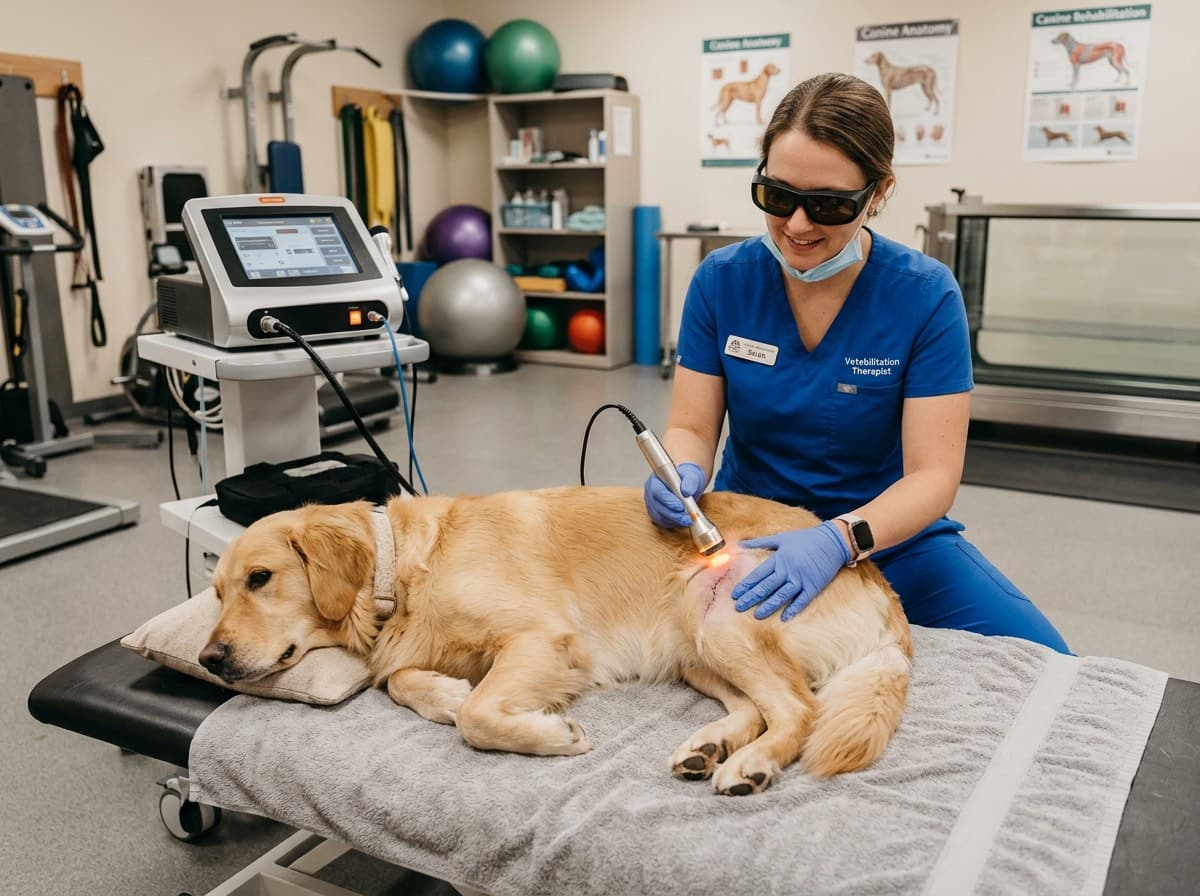
- Laser therapy: Reduces inflammation and pain
- Ultrasound: Promotes tissue healing
- Electrical stimulation: Maintains muscle mass, pain control
- Cryotherapy: Reduces inflammation and pain
Rehabilitation Schedule
- Weeks 2-6: 1-2 sessions per week
- Weeks 6-12: 1 session per week
- After 12 weeks: As needed for maintenance
Finding a Rehabilitation Facility
Look for facilities with:
- Certified rehabilitation therapists (CCRT, CCRP, or DVM with rehabilitation training)
- Appropriate equipment (underwater treadmill, therapeutic pool)
- Experience with post-surgical orthopedic cases
- Communication with your surgeon
Cost and Financial Considerations
TPLO Surgery Cost Breakdown
Costs vary significantly by location, surgeon, and facility:
Surgery Costs (United States)
- General practice with surgical training: $2,500 - $4,000
- Board-certified surgeon at specialty hospital: $4,000 - $6,500
- Academic/university hospital: $3,500 - $5,500
What's Typically Included
- Pre-surgical examination and bloodwork
- Anesthesia and monitoring
- The surgical procedure
- Implants (plate and screws)
- Post-operative radiographs
- Hospitalization (usually 1 night)
- Medications to go home
Additional Costs to Consider
- Pre-surgical imaging: CT scan if needed ($400-800)
- Physical rehabilitation: $50-100 per session
- Additional medications: Pain medications, joint supplements ($50-150/month)
- Follow-up appointments: Post-operative checks ($50-75 each)
Insurance Considerations
- Most pet insurance covers TPLO if policy was in place before injury
- CCL disease is often excluded as a pre-existing condition
- Review your policy's orthopedic coverage and waiting periods
Payment Options
- Care Credit: Veterinary-specific financing with promotional periods
- Scratchpay: Monthly payment plans
- Hospital payment plans: Some facilities offer in-house financing
Is TPLO Worth the Cost?
Studies show that TPLO provides:
- Best long-term outcomes for medium to large dogs
- Fastest return to normal function
- Most biomechanically sound repair
- Lower failure rates than less expensive alternatives
Choosing Your Surgeon
Board-Certified vs. General Practice Surgeons
Board-Certified Veterinary Surgeons (DACVS)
- Completed residency training specifically in surgery
- Passed rigorous certification examinations
- Have performed hundreds of TPLO procedures
- Access to advanced equipment and monitoring
- Typically located at specialty or referral hospitals
General Practice Veterinarians with Surgical Training
- May have completed continuing education in TPLO
- Variable experience levels
- Can be appropriate for straightforward cases
- Typically lower cost
Questions to Ask Your Potential Surgeon
- How many TPLO surgeries have you performed? (Look for >100 procedures)
- What is your complication rate?
- What type of plate system do you use?
- What is included in the surgical fee?
- Who provides after-hours emergency care?
- What is your rehabilitation protocol?
- Can I see before/after radiographs of previous cases?
Red Flags to Watch For
- Unwillingness to discuss experience or outcomes
- Significantly lower prices than average (may cut corners)
- Pressure to decide immediately
- No post-operative care plan
- No follow-up radiograph schedule
Getting a Second Opinion
It's completely appropriate to:
- Seek consultation with another surgeon
- Ask for surgical records and radiographs
- Compare recommendations and pricing
- Take time to make an informed decision
Long-Term Prognosis
Overall Outcome Statistics
TPLO surgery has excellent outcomes:
- 90-95% of dogs return to normal or near-normal activity
- Client satisfaction rates exceed 90%
- Most dogs show significant improvement within 6 weeks
- Full recovery typically achieved by 4-6 months
Factors Affecting Outcome
Positive Prognostic Factors
- Surgery performed by experienced surgeon
- Early surgical intervention (before severe arthritis)
- Normal body weight
- Strict adherence to recovery restrictions
- Completion of rehabilitation program
Factors That May Compromise Outcome
- Severe pre-existing arthritis
- Meniscal damage (especially if missed)
- Obesity
- Poor compliance with restrictions
- Very large dogs (>50 kg)
Arthritis Management
Even with successful surgery, arthritis will develop. Lifelong management includes:
- Weight management: Maintaining lean body condition is crucial
- Joint supplements: Glucosamine, chondroitin, omega-3 fatty acids
- Regular exercise: Low-impact, consistent activity
- Pain medications: As needed for flare-ups
- Environmental modifications: Ramps, orthopedic beds, non-slip surfaces
Return to Activities
Most dogs can return to:
- Walking and hiking: Yes, fully
- Swimming: Excellent long-term exercise
- Playing with other dogs: Yes, with gradual introduction
- Agility/sports: Often possible with proper conditioning
Contralateral CCL Disease
- 40-60% of dogs will rupture the other CCL within 1-2 years
- The same surgical approach is typically recommended
- Early intervention on the second leg improves outcomes
Monitoring Long-Term
- Annual veterinary examinations with orthopedic assessment
- Watch for changes in gait, lameness, or activity level
- Radiographs every 1-2 years to monitor arthritis
- Prompt attention to any sudden changes
Frequently Asked Questions
What is TPLO surgery for dogs?
TPLO (Tibial Plateau Leveling Osteotomy) is an orthopedic surgery that stabilizes a dog's knee after cranial cruciate ligament (CCL) injury. Instead of replacing the torn ligament, the surgeon cuts and rotates the top of the tibia to eliminate the need for the CCL, allowing the knee to function normally without the ligament.
How long does it take for a dog to recover from TPLO surgery?
Most dogs show significant improvement within 6-8 weeks and return to normal activity by 4-6 months. However, strict activity restriction is required for the first 8-12 weeks to allow proper bone healing. Full bone healing is typically confirmed with X-rays at 8 weeks.
What is the success rate of TPLO surgery?
TPLO surgery has a 90-95% success rate, with most dogs returning to normal or near-normal activity levels. It is considered the gold standard treatment for CCL injuries in medium to large breed dogs, with high client satisfaction rates.
How much does TPLO surgery cost?
TPLO surgery typically costs between $3,500-$6,500, depending on your location, the surgeon's experience, and the facility. Board-certified surgeons at specialty hospitals are usually at the higher end of this range. Additional costs may include rehabilitation, medications, and follow-up appointments.
Can my dog run and play normally after TPLO surgery?
Yes, most dogs can return to normal activities including running, playing, and even sports after full recovery from TPLO surgery. The timeline for return to activity is typically 4-6 months post-surgery, with gradual increases in activity as bone healing is confirmed.
Will my dog develop arthritis after TPLO surgery?
Some degree of arthritis will develop in all knees with CCL injury, regardless of treatment. However, TPLO surgery slows the progression of arthritis compared to no treatment. Long-term management with weight control, joint supplements, and appropriate exercise helps manage arthritis symptoms.
What are the alternatives to TPLO surgery?
Alternatives include TTA (Tibial Tuberosity Advancement), lateral suture technique, and conservative (non-surgical) management. TPLO is generally preferred for medium to large dogs due to better outcomes. Small dogs under 15 kg may do well with lateral suture. Conservative management is rarely recommended except for very small dogs or those with significant anesthetic risk.
References
- Slocum B, Slocum TD. "Tibial plateau leveling osteotomy for repair of cranial cruciate ligament rupture in the canine." Veterinary Clinics of North America: Small Animal Practice, 1993.
- Bergh MS, et al. "Systematic review of surgical treatments for cranial cruciate ligament disease in dogs." Journal of the American Animal Hospital Association, 2014.
- Christopher SA, et al. "Complication rate and factors affecting outcome of TPLO: A systematic review." Veterinary Surgery, 2013.
- Wucherer KL, et al. "Short-term and long-term outcomes for overweight dogs with cranial cruciate ligament rupture treated surgically or nonsurgically." Journal of the American Veterinary Medical Association, 2013.
- Gordon-Evans WJ, et al. "Comparison of lateral fabellar suture and tibial plateau leveling osteotomy techniques for treatment of dogs with cranial cruciate ligament disease." Journal of the American Veterinary Medical Association, 2013.
- Canine Rehabilitation and Physical Therapy, 2nd Edition. Millis DL, Levine D. Elsevier, 2014.