Quick Answer
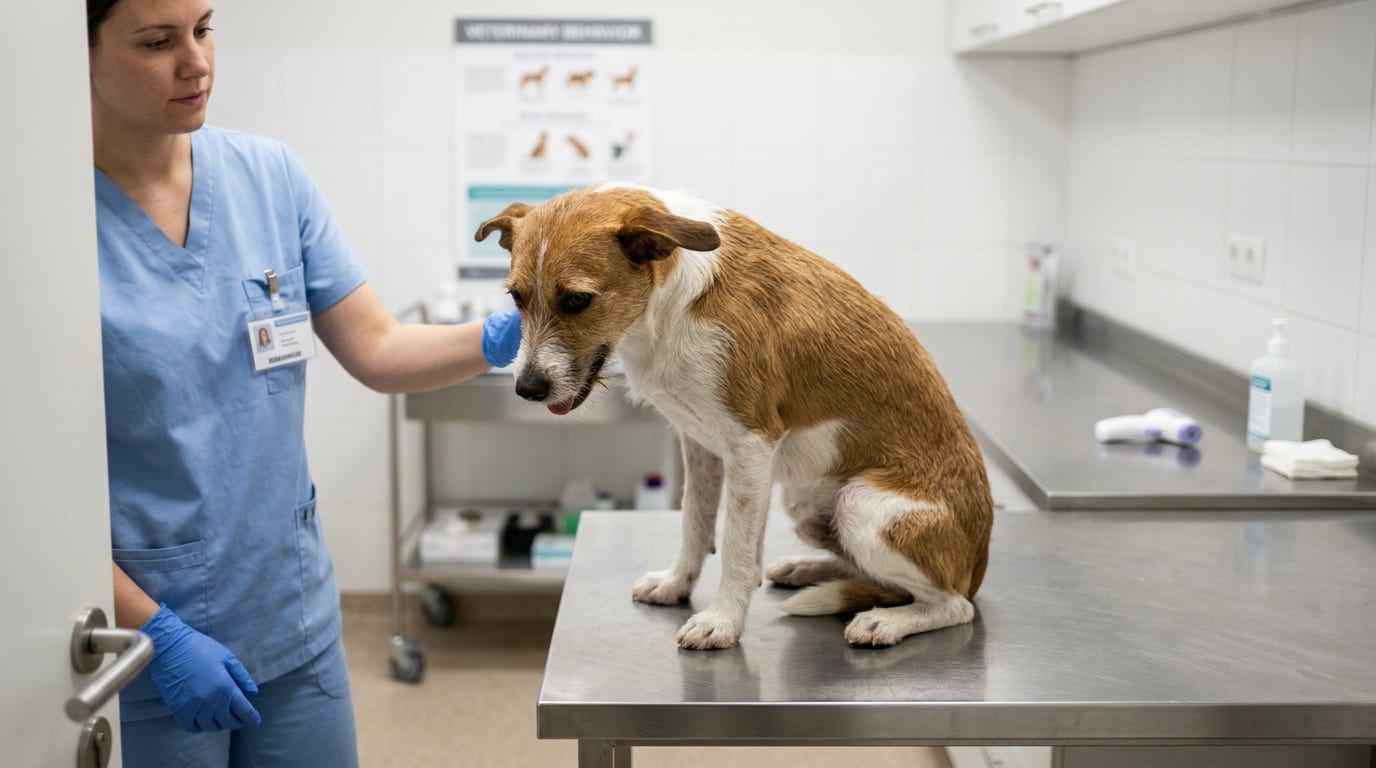
Separation anxiety is one of the most misunderstood and undertreated behavioral conditions in dogs. This evidence-based guide covers the signs of true separation anxiety versus other causes of destructive behavior, proven desensitization protocols, when and how to use medication, and a realistic roadmap for recovery.
Key Takeaways
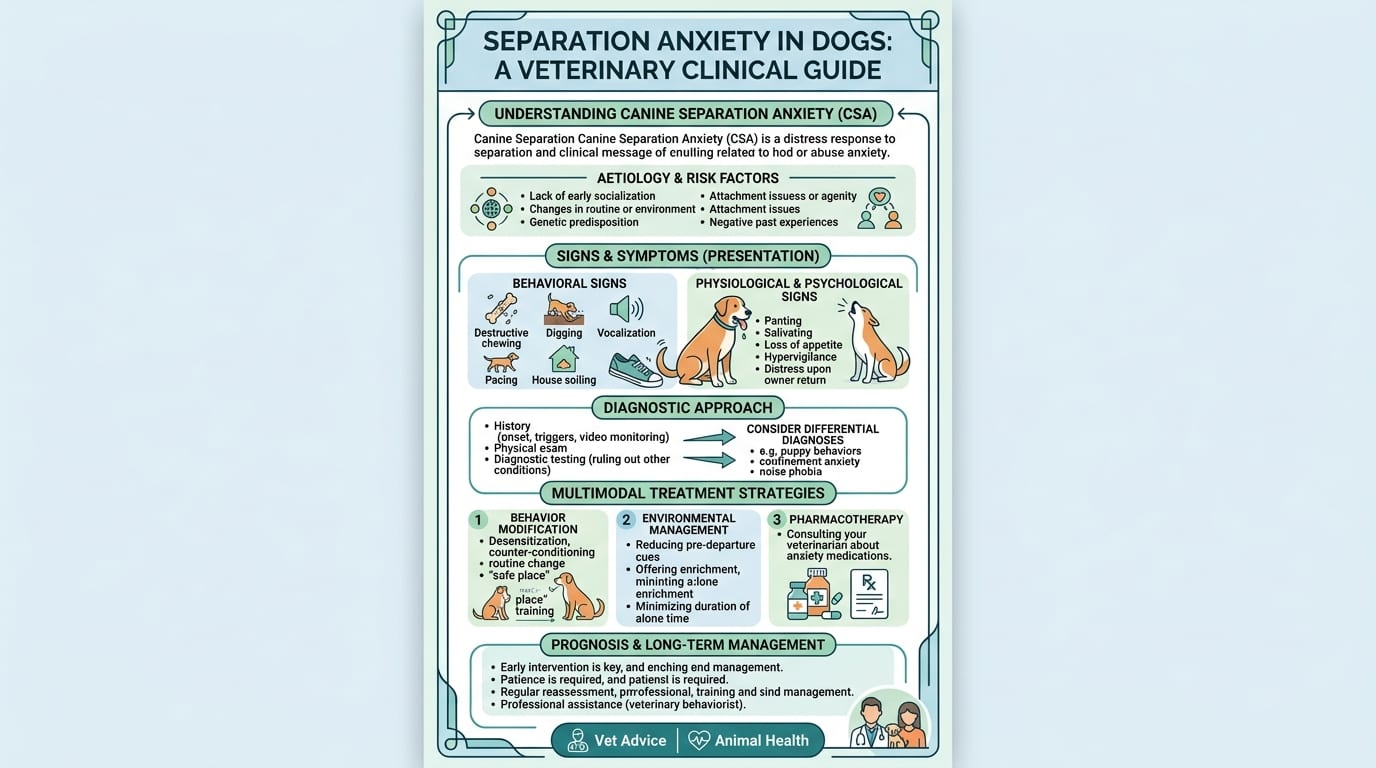
- ✓Separation anxiety is a genuine anxiety disorder — not spite or poor training — causing real distress in dogs left alone
- ✓Video recording your dog during absences is the most valuable diagnostic tool; many apps and cameras make this easy
- ✓Systematic desensitization below the anxiety threshold is the gold standard treatment; pushing too fast causes setbacks
- ✓FDA-approved medications (clomipramine, fluoxetine) significantly improve outcomes when combined with behavior modification
- ✓Management strategies like dog walkers and daycare reduce suffering during the training period
- ✓Recovery takes months to years; realistic expectations and consistent effort are essential
- ✓A certified separation anxiety trainer (CSAT) or veterinary behaviorist significantly improves success rates for moderate to severe cases
What Is Separation Anxiety — and What It Is Not
Separation anxiety (SA) is a genuine anxiety disorder characterized by excessive fear and distress when a dog is separated from its primary attachment figure or left alone. It is not stubbornness, spite, poor training, or deliberate misbehavior. Dogs do not destroy furniture to punish their owners — they do it because they are in a state of acute psychological distress.
True SA must be distinguished from other conditions that cause similar surface behaviors:
Confinement frustration: Some dogs dislike being confined to a crate, room, or yard — not because they fear being alone, but because they find confinement itself aversive. These dogs may be fine in a larger space.
Boredom and under-stimulation: A dog left alone with nothing to do and insufficient exercise may destroy things, bark, or engage in hyperactive behaviors when the owner returns — not from anxiety, but from energy overflow.
Noise phobia: Dogs triggered by outdoor sounds (traffic, lawnmowers, children playing) may destroy items near windows or doors — not from being alone, but from the sound-triggering fear.
Incomplete house training: Elimination when alone may reflect insufficient training rather than anxiety.
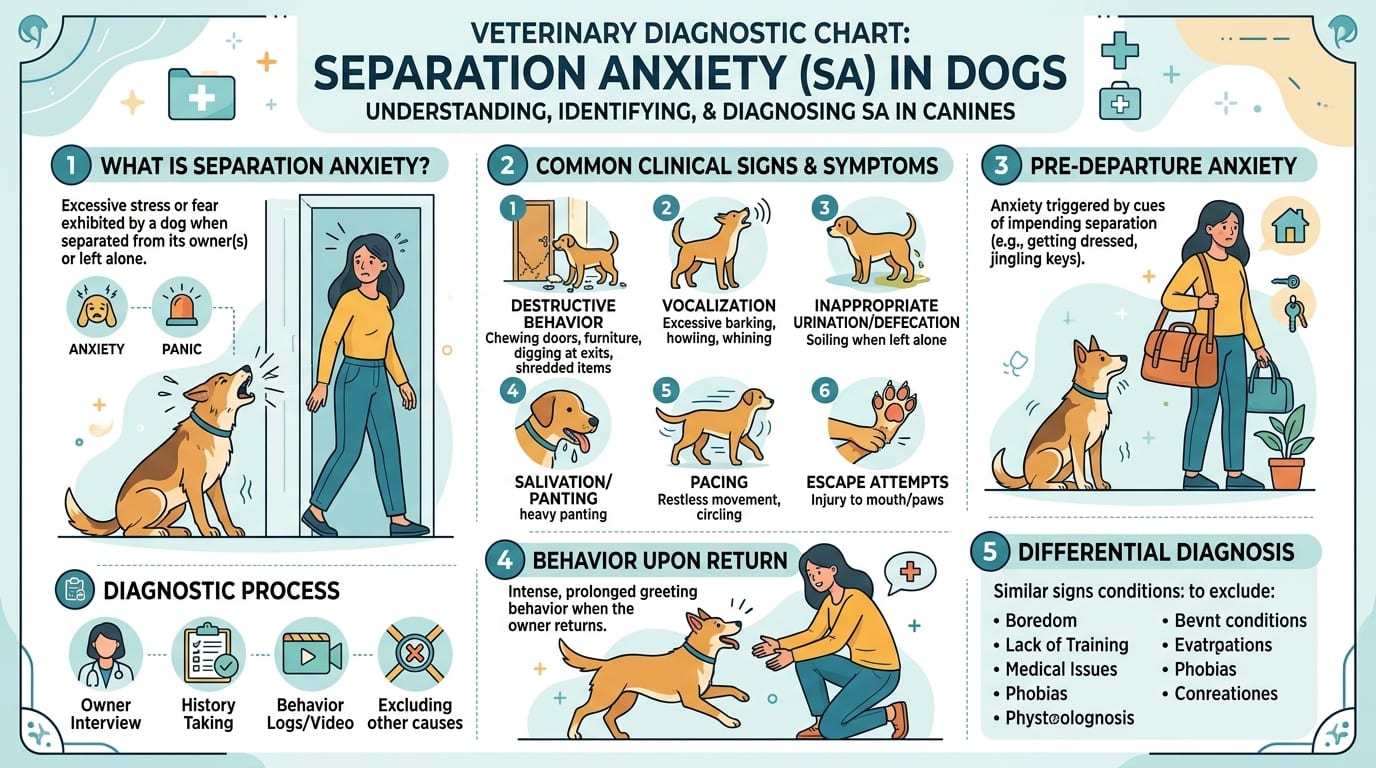
True separation anxiety typically involves: distress beginning *specifically when* the owner departs or prepares to depart; behaviors occurring only in the owner's absence; and resolution immediately when the owner returns. Common signs include:
- Vocalization: howling, barking, whining
- Destructiveness: chewing, scratching at doors/windows/barriers
- Elimination (urination or defecation indoors in a house-trained dog)
- Hypersalivation and drooling
- Self-directed behaviors: excessive grooming, pacing, panting
- Refusal to eat when alone
- Escape attempts (sometimes injurious)
- Pre-departure anxiety: signs of distress beginning when the owner picks up keys, puts on shoes, or reaches for a coat
Video recording your dog during your absence is the single most valuable diagnostic tool. Even 10–15 minutes of footage after you leave can confirm or rule out SA and characterize severity. Free apps like Petcube or a simple baby monitor with recording serve this purpose.
Causes, Risk Factors, and Why COVID-19 Matters
SA is a multifactorial disorder with neurobiological, genetic, developmental, and environmental components.
Neurobiological basis: Dogs with SA show dysregulation of the hypothalamic-pituitary-adrenal (HPA) axis and elevated baseline cortisol. Brain imaging studies suggest hyperactivity in regions associated with fear and threat detection. This is a real physiological condition, not a character flaw.
Risk factors for developing SA include:
- Certain breeds: Labrador Retrievers, German Shepherds, Bichon Frises, Vizslas, German Shorthaired Pointers, and border-dependent breeds are overrepresented — though any breed can be affected
- Individual genetics and temperament: highly reactive, attention-seeking, or velcro dogs are predisposed
- History of rehoming, shelter stays, or multiple placements
- Traumatic events: sudden changes in schedule, loss of a companion animal, owner illness or hospitalization
- Puppies adopted in isolation without gradual independence training
- Dogs accustomed to 24/7 human contact
The COVID-19 Effect
One of the most significant triggers for a surge in SA cases has been the return to office after the pandemic. Dogs adopted during lockdowns experienced constant human contact for months to years, then were abruptly left alone as owners returned to work. Veterinary behavior practices reported 2–3× increases in SA consultations in 2021–2022 as a direct result. These dogs require proactive, gradual independence training even before full-time departures resume.
Onset and Progression
SA can develop at any age but is particularly common in:
- Adolescent dogs (6–18 months), as social bonds mature
- Middle-aged dogs (4–8 years) after a change in routine or relationship
- Senior dogs, as cognitive or sensory decline increases dependence
Without intervention, SA rarely resolves spontaneously and typically worsens over time.
Behavior Modification: Desensitization and Counterconditioning
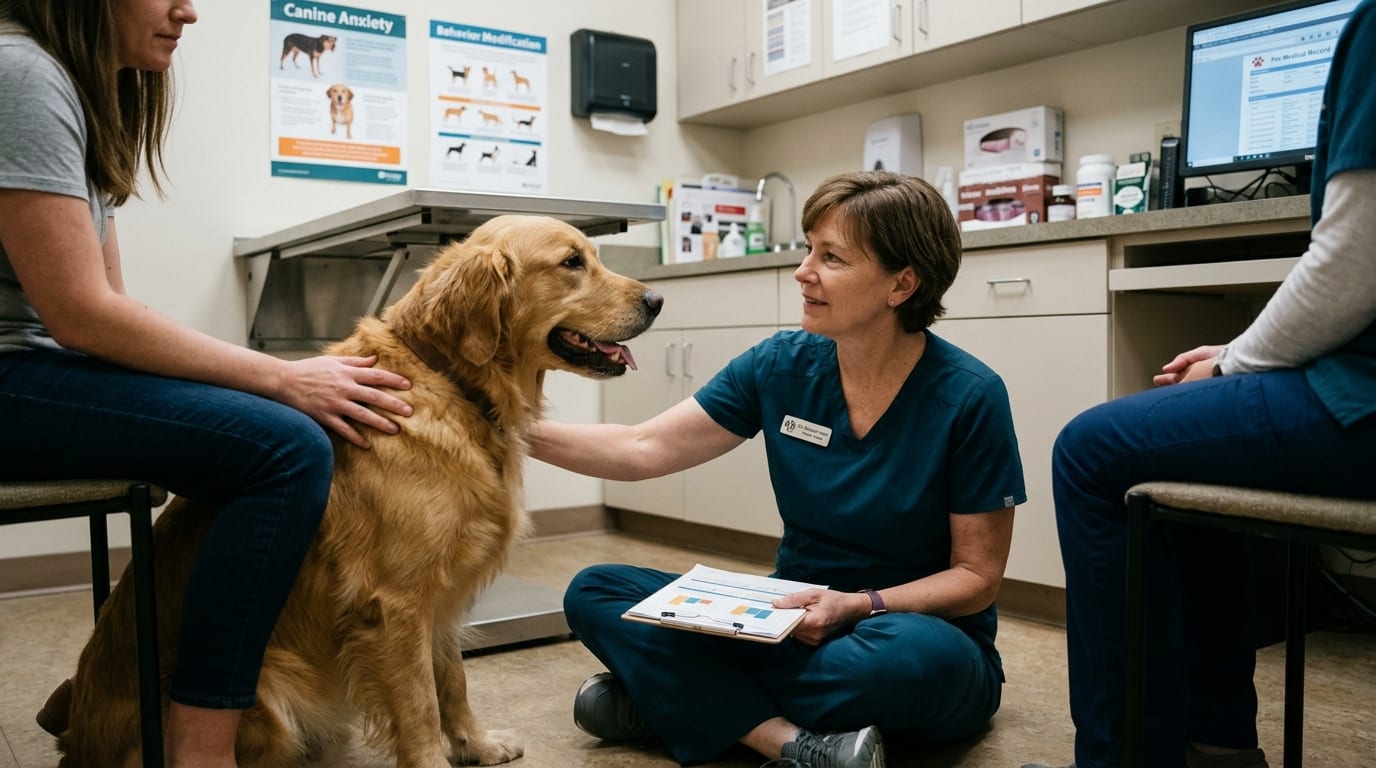
Behavior modification is the cornerstone of SA treatment. Medication supports the process but cannot replace it. The gold standard protocol is systematic desensitization and counterconditioning (DSCC) — a structured approach developed by certified veterinary behaviorists.
The Core Principle: Sub-Threshold Exposure
The key insight behind DSCC is that anxiety cannot be learned away while the dog is *already anxious*. All training must occur below the dog's anxiety threshold — meaning exposures are so brief and mild that the dog remains calm throughout.
Step 1: Establish a Neutral Baseline
First, identify the shortest absence duration your dog can tolerate without showing anxiety. For severely affected dogs, this may be literally 2–3 seconds. This is your starting point — not a failure, just a foundation.
Step 2: Departure Cue Desensitization
Many dogs with SA begin showing anxiety before the owner even leaves — triggered by departure cues (keys, shoes, coat, briefcase). Systematically expose your dog to these cues without actually leaving:
- Pick up keys, set them down. Repeat 20 times. No reaction = success.
- Put on shoes, then sit back down. Repeat until neutral.
- Put on coat, then watch TV. Repeat until neutral.
Step 3: Graduated Alone Time
Once departure cues are neutral, systematically increase alone time:
- Step out for 2 seconds. Return before anxiety starts. Reward calm.
- Build to 5 seconds, 10 seconds, 30 seconds, 1 minute... never pushing through anxiety
- Increase duration in small increments — only when the dog is consistently successful at the current duration
- Multiple short sessions per day beat single long ones
Step 4: Randomization
Once dogs can tolerate 30–60 minutes, vary departure lengths — sometimes longer, sometimes shorter — to prevent anticipatory anxiety around a predictable "alone time clock."
Certified Separation Anxiety Trainers (CSATs)
Dr. Malena DeMartini-Price developed the CSAT certification program specifically for SA. CSATs use video technology to coach owners remotely and monitor behavior in real time. For moderate to severe SA, working with a CSAT is strongly recommended — the structured oversight dramatically improves outcomes and prevents setbacks.
What Not to Do
- Do not use punishment for SA behaviors — this worsens anxiety and destroys trust
- Do not adopt a second dog as a "solution" — dogs with true SA are attached to their humans, not other dogs, and the second dog may also develop anxiety
- Do not force your dog to stay in a crate if the crate itself causes anxiety — this compounds the problem
- Do not do long exposures before the dog is ready — flooding does not work for anxiety disorders
Medications for Separation Anxiety
Medication is not a substitute for behavior modification, but it is a critical partner. Research consistently shows that combined medication + behavior modification outperforms either alone for moderate to severe SA.
FDA-Approved Options
Two medications are specifically FDA-approved for canine separation anxiety in the US:
- Clomipramine (Clomicalm®): A tricyclic antidepressant (TCA) that inhibits reuptake of serotonin and norepinephrine. Used as a daily baseline medication. Dosing: 1–2 mg/kg twice daily. Requires 4–6 weeks to reach full effect; begin behavior modification concurrently. Side effects may include sedation, dry mouth, and decreased appetite.
- Fluoxetine (Reconcile®; also available as generic): A selective serotonin reuptake inhibitor (SSRI). Also a daily baseline medication. Dosing: 1–2 mg/kg once daily. Similar 4–6 week ramp-up period; generally well-tolerated. Can cause initial agitation in some dogs before calming effect emerges.
Situational Medications
For dogs that cannot tolerate any alone time even with a daily medication on board, a fast-acting situational medication is added:
- Trazodone: A serotonin antagonist and reuptake inhibitor used as needed, 30–60 minutes before departures. Often combined with fluoxetine. Dosing: 3–7 mg/kg.
- Gabapentin: Primarily an anti-anxiety adjunct; more commonly used for noise phobia but useful in some SA cases.
- Alprazolam (Xanax®): A benzodiazepine for acute anxiety; short duration, used situationally, not for daily use.
- Clonidine: An alpha-2 agonist that reduces sympathetic activation; another situational option.
Important: All psychiatric medications for dogs require a valid veterinarian-client-patient relationship and a prescription. Do not administer human medications without veterinary guidance — dosing, formulation, and contraindications differ significantly.
How Long is Medication Needed?
Many dogs require baseline medication for 6–12 months during the intensive behavior modification phase. Some dogs can be tapered off once they demonstrate reliable, sustained improvement; others benefit from indefinite low-dose maintenance. This is an individual decision made with your veterinarian based on response and relapse risk.
Management Tools and Environmental Support
While desensitization training is underway, management tools reduce suffering during actual departures that cannot be avoided.
Dog Walkers and Doggy Daycare
The most effective short-term management for SA is simply ensuring the dog is not alone. A midday dog walker breaks up a long workday. Doggy daycare provides all-day companionship. These are not permanent solutions, but they prevent continued trauma while behavior modification progresses.
Remote Treat Dispensers
Devices like Furbo or PetCube Bites allow owners to dispense treats remotely when checking in via camera. While the dog enjoys the treat, the owner can assess real-time anxiety levels. Used carefully, treat dispensers can provide a small positive association — but should never be used to "check in" in a way that reminds the dog of the owner's absence.
Long-Lasting Enrichment
For mild cases or very brief departures where the dog remains sub-threshold:
- Frozen Kongs stuffed with canned food, peanut butter (xylitol-free!), or yogurt
- Bully sticks, frozen raw bones, lick mats
- Snuffle mats for mental engagement
Critically: offer these enrichment items *only* during departures so they become a strong departure-predictor that is positive, not anxiety-provoking.
Calming Aids
While no calming supplement replaces proper behavioral treatment, some have modest evidence for reducing anxiety:
- Adaptil (dog-appeasing pheromone, DAP): A synthetic analog of the pheromone nursing mothers produce; available as collar, diffuser, or spray. Studies show modest reductions in anxiety-related behaviors.
- Zylkène (alpha-casozepine): A milk protein hydrolysate with calming properties; some evidence for mild anxiolytic effect.
- Melatonin: May help some noise-phobic dogs; evidence for SA is limited.
- Thundershirt / pressure wraps: For dogs sensitive to body pressure; variable response.
These aids work best as adjuncts to medication and behavior modification — not as standalone treatments for moderate to severe SA.
Recovery Timeline and Realistic Expectations
SA recovery is a marathon, not a sprint. Owners often expect weeks to cure a condition that took months or years to develop. Realistic expectations and consistent effort produce the best outcomes.
Mild SA: Dogs with short-duration anxiety (5–20 minutes), minimal destruction, and no self-injury typically respond well to behavior modification alone within 4–12 weeks.
Moderate SA: Dogs with sustained anxiety through departures of 1–4 hours typically require a combination of medication and behavior modification. Meaningful improvement is often seen within 3–6 months, with continued progress over 12+ months.
Severe SA: Dogs with persistent distress throughout any absence, significant destructiveness, escape attempts, or self-injury require intensive intervention — often including veterinary behaviorist consultation, combination medications, CSAT-guided training, and 12–18+ months of consistent work. Some dogs improve dramatically; others require permanent management strategies.
Setbacks are normal. A stressful event (thunderstorm, construction noise, illness) can temporarily worsen SA even in a dog making progress. Resume at an earlier, easier stage of training and rebuild — do not interpret a setback as failure.
Signs of Progress to Celebrate
- Dog lies down after your departure instead of pacing
- Destructive behavior duration shortens
- Dog's body language is relaxed (not hypervigilant) during departure cue practice
- Duration of calm alone time is gradually extending
Work closely with your veterinarian and, where possible, a certified veterinary behaviorist or CSAT. The investment in behavior modification is substantial but the payoff — a dog that can comfortably tolerate normal separation — is life-changing for both dog and owner.
Frequently Asked Questions
How do I know if my dog has separation anxiety or is just bored?
Record your dog on video immediately after you leave. Dogs with true SA show distress within the first 30 minutes — typically within 5 minutes — and behaviors resolve immediately when you return. Bored dogs may be destructive but often do so calmly, may eat food left out, and show excitement rather than distress on your return. True SA dogs may refuse food left during absences because their anxiety is too high.
Will getting a second dog help with separation anxiety?
Rarely. Dogs with true SA are attached to their human attachment figures, not to other animals. A second dog may distract mildly anxious dogs, but for moderate-severe SA, the second dog does not resolve the anxiety and may itself develop anxiety. Work with your veterinary team on proven behavioral interventions instead.
Can separation anxiety be cured?
Many dogs improve dramatically — some to the point of full remission where they can be left alone for normal workday lengths without distress. Mild to moderate SA has good outcomes with consistent behavioral treatment. Severe SA may require ongoing management rather than a "cure," but quality of life for both dog and owner can be substantially improved.
What is the best medication for dog separation anxiety?
Fluoxetine (generic or Reconcile) is the most commonly prescribed baseline medication due to its good tolerability and effectiveness. Clomipramine (Clomicalm) is the alternative. For situational support, trazodone is widely used. The best medication depends on the individual dog, comorbidities, and how the dog responds — always work with your veterinarian.
References
- Overall KL. "Clinical Behavioral Medicine for Small Animals." Mosby, 2013.
- Sherman BL, Mills DS. "Canine Anxieties and Phobias: An Update on Separation Anxiety and Noise Aversions." Veterinary Clinics of North America: Small Animal Practice, 2008.
- Takeuchi Y, et al. "Evaluation of Clomipramine as Part of a Multimodal Approach to the Treatment of Separation Anxiety in Dogs." Applied Animal Behaviour Science, 2000.
- DeMartini-Price M. "Treating Separation Anxiety in Dogs." Dogwise Publishing, 2014.
- King JN, et al. "Determination of the Dosage of Clomipramine for the Treatment of Dogs with Separation-Related Problems." Journal of the American Veterinary Medical Association, 2000.